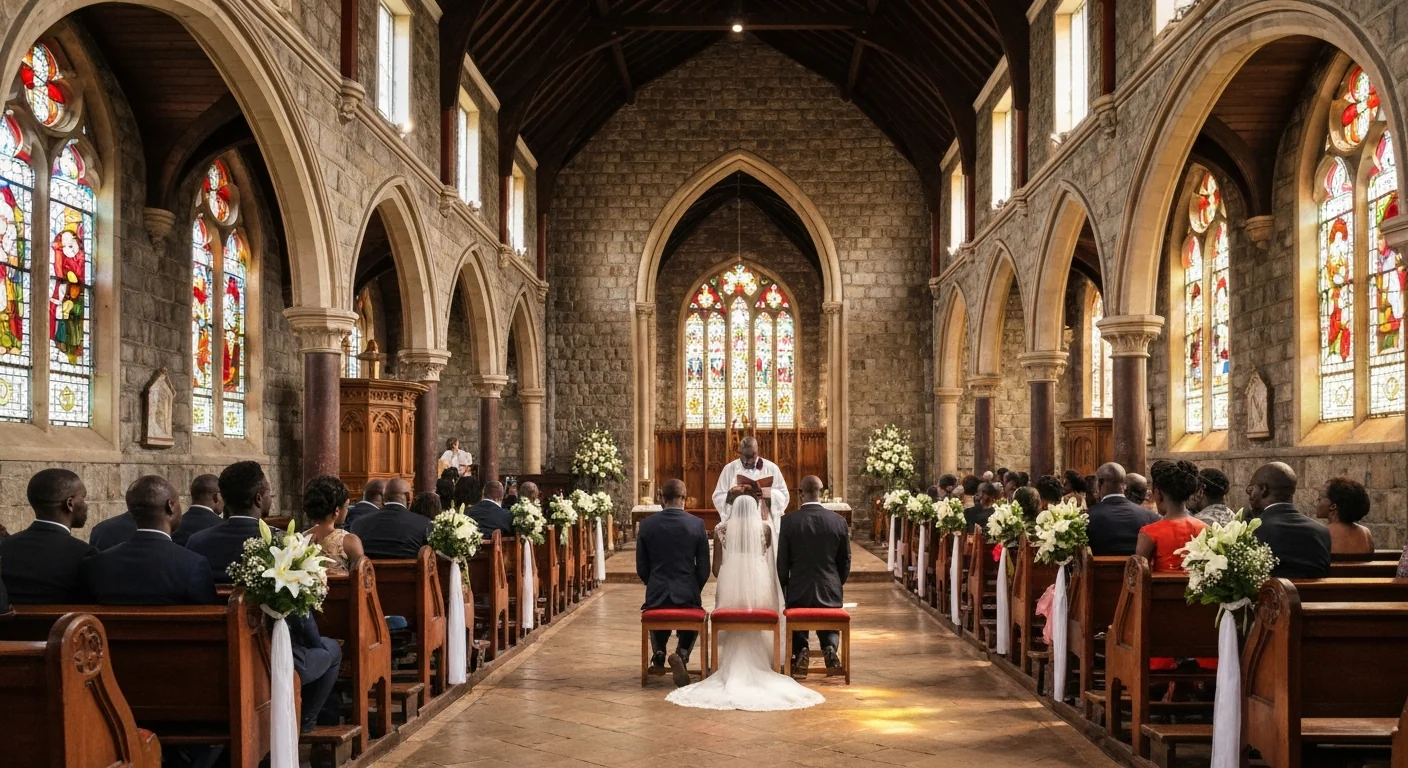
Muslim Nikah Registration in Kenya (Kadhi Courts)
Step-by-step guide to nikah registration in Kenya through Kadhi courts. Documents, fees, timelines, and how to legally register your Muslim marriage in 2026.
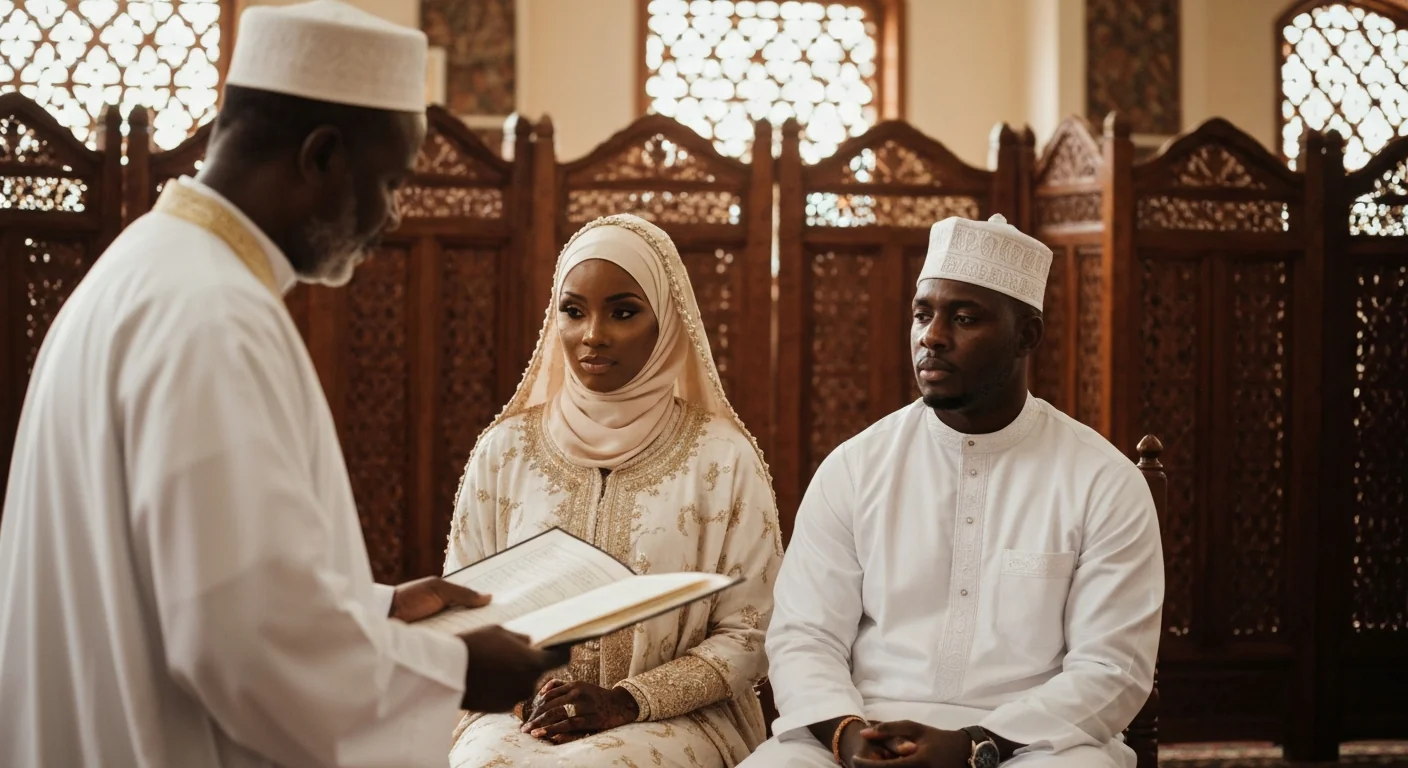
Muslim Nikah Registration in Kenya (Kadhi Courts)
You’ve had the nikah. The families gathered, the vows were spoken in the presence of Allah, and the celebration was everything you hoped for. But weeks later, someone asks for your marriage certificate — and you realize the religious ceremony and the legal registration are two very different things.
You’re not alone. Thousands of Muslim couples in Kenya complete their nikah beautifully and in full accordance with Islamic law, then discover that their marriage isn’t yet recognized in the eyes of the Kenyan state. The good news: registering a Muslim marriage in Kenya is straightforward once you know the process. This guide walks you through every step — from Kadhi court requirements to the eCitizen registration.
If you’re also navigating other marriage legal requirements, see our full guide on marriage registration in Kenya and the eCitizen marriage registration process.
How Islamic Marriage Is Recognized in Kenya
The Marriage Act, 2014 consolidated all marriage laws in Kenya and officially recognizes five types of marriage: civil, Christian, customary, Hindu, and Islamic. This means your nikah is not a second-class union — it is a fully valid form of marriage under Kenyan law, with the same legal rights and protections as any other marriage type.
Article 170 of the Constitution of Kenya establishes the Kadhi’s Courts, which have jurisdiction over questions of Muslim law relating to personal status, marriage, divorce, and inheritance — but only where all parties profess the Muslim religion and submit to that jurisdiction.
Article 24(4) of the Constitution further protects the application of Muslim law before Kadhi’s courts in matters of personal status, marriage, divorce, and inheritance. Your faith and your legal rights are protected simultaneously.
Who Can Officiate a Nikah in Kenya?
Under the Marriage Act, an Islamic marriage must be officiated by a Kadhi, Sheikh, or Imam who has been authorised by the Registrar of Marriages. This is important — not every Sheikh or Imam automatically qualifies to conduct a legally registrable nikah.
A “Muslim marriage officer” is a Sheikh, Mufti, or Imam specifically authorised by the Registrar. If you want your nikah to feed directly into the registration process, confirm that your officiant holds this authorisation. If they don’t, your marriage will still be valid Islamically — but the registration process will involve a separate step.
Kadhi Court Locations in Kenya
There are 14 stand-alone Kadhi’s courts across Kenya, with additional Kadhi’s courts co-located within Magistrates’ courts in areas with significant Muslim populations. Major locations include:
- Nairobi (including Kibera)
- Mombasa
- Malindi
- Lamu
- Garissa
- Wajir (including Habaswein)
- Mandera
- Isiolo
- Kisumu
- Nakuru
If you live outside these areas, contact the nearest Magistrates’ court — there is likely a Kadhi attached to it. You can find the full directory on the Kenya Judiciary website.
Requirements for a Nikah in Kenya
Before an authorised marriage officer can officiate or register your nikah, they must confirm the following:
- Particulars of both parties — full names, ages, and identification details
- Consent of the waliyy (guardian) — the bride’s guardian must consent, though this consent cannot override the bride’s own free consent
- Consent of both parties — this must be given freely. If the marriage is through a wakil (proxy), written consent is required
- Identity verification — both parties and the waliyy must be identifiable
- Revertee certificate — if either party is a convert (revertee) to Islam, a certificate and affidavit of confession is required
Documents to Bring
- National ID or Passport (both parties)
- Birth certificates (names must match your ID exactly — same names, same order)
- 2 passport-sized colour photos each
- 2 witnesses who must be present at the ceremony
- Divorce Decree Absolute (if previously divorced)
- Death Certificate (if widowed)
- Certificate/affidavit of conversion (if either party is a revertee)
Step-by-Step: Nikah Registration Process
Step 1: Notify the Kadhi’s Court
Before the ceremony, contact your nearest Kadhi’s court and give prior notice of your intended marriage. Book an appointment for the nikah. The Kadhi will confirm both parties’ eligibility and that all Islamic law requirements are met.
Step 2: Conduct the Nikah Ceremony
The ceremony takes place before the authorised Kadhi, Sheikh, or Imam, in the presence of your witnesses. The ceremony follows Islamic law in full — the mahr (dowry), the ijab-qabul (offer and acceptance), and the waliyy’s role are all observed.
Step 3: File Form MM1
After the ceremony, the parties make an application for registration using Form MM1 (set out in the First Schedule of the Marriage (Muslim Marriage) Rules, 2017). The authorised marriage officer records all marriage details on this form.
Step 4: Submit to the Registrar
The officiant delivers the completed Form MM1 to the Registrar of Marriages. This triggers the formal registration of your marriage in the official register.
Step 5: Receive Your Marriage Certificate
Once registered, you receive your Certificate of Marriage. This is your legal proof of marriage — the document that matters for inheritance, property, immigration, child custody, and all other legal purposes.
Important timing: The Marriage Act requires that registration be completed within 3 months of the ceremony. Don’t delay — register promptly after the nikah.
Fees for Muslim Marriage Registration
| Service | Fee |
|---|---|
| Nikah solemnization (standard) | KES 3,000 |
| Nikah solemnization (one party is a refugee) | KES 3,500 |
| Marriage certificate application | KES 1,000 |
Note: The High Court has at various points suspended gazette notices that increased fees. Always confirm the current fee directly with the Kadhi’s court or on the eCitizen portal before your appointment.
Can a Nikah Be Registered If It Happened Abroad?
Yes. If a Kenyan citizen contracted a valid Muslim marriage outside Kenya, the Marriage (Muslim Marriage) Rules require that upon return to Kenya, the person must appear before the nearest court to have the marriage registered under Kenyan law. Bring all original documents from the foreign marriage, including the foreign marriage certificate and any supporting documents.
Polygamous Marriages Under Islamic Law
Islamic law in Kenya permits a Muslim man to have up to four wives, provided he can treat all wives equally — as required by Islamic law. The Marriage Act, 2014 recognizes this, defining marriage as a union that may be “monogamous or polygamous.”
If you are registering a second or subsequent nikah, you will need to provide documentation of existing marriages and confirm that the union complies with Islamic law requirements.
Why Does Nikah Registration Matter Under Kenyan Law?
Many couples believe the nikah ceremony alone is enough. Islamically, it is. But under Kenyan law, the legal registration is what creates the rights and protections you need for:
- Inheritance — your spouse’s rights to your estate depend on legal recognition
- Property — joint ownership and spousal claims require a registered marriage
- Child custody — courts rely on the legal marriage record
- Immigration — spouse visas and residency permits require a marriage certificate
- Next-of-kin status — hospitals, banks, and institutions require documented proof
If you’re also planning a white wedding or civil ceremony alongside your nikah, Harusi Hub’s multi-event feature makes it easy to manage all your wedding events in one place. See our guide on managing your wedding events to set up your nikah, reception, and any other celebrations as separate events — each with its own date, venue, and RSVP settings.
Managing Your Wedding Planning Checklist
With so many legal steps, it’s easy to lose track of what still needs to be done. Harusi Hub’s wedding planning checklist includes a Legal & Registration category with tasks specifically for couples going through the nikah and registration process. You’ll see exactly what’s due and when — so nothing slips through.
Common Questions About Nikah Registration in Kenya
Does the nikah have to happen at the Kadhi’s court? No. The nikah can take place at a mosque, at home, or at another suitable location. What matters is that it is officiated by an authorised Muslim marriage officer and that Form MM1 is filed afterward.
What if our Sheikh is not an authorised marriage officer? Your nikah is still Islamically valid. However, for legal registration, you’ll need to separately approach the Kadhi’s court with documentation of the ceremony.
Can we register a nikah that happened years ago? Yes — you can register an existing customary or religious marriage. See the registration of new and existing marriages process on the Attorney General’s website.
Is there a difference between a nikah and a Muslim marriage certificate? The nikah is the religious ceremony. The Muslim marriage certificate is the legal document issued after registration. Both are important — one for your faith, one for your legal rights.
Related Legal Guides
If you’re reading this as part of broader marriage planning research, these articles may also help:
- How to Register Your Marriage in Kenya on eCitizen
- Your Marriage Certificate in Kenya: What It Is and How to Get It
- Civil Marriage in Kenya: Process and Requirements
- Church Wedding Requirements in Kenya
- Customary Marriage Registration in Kenya
Plan every part of your wedding in one place
From your nikah to your reception, Harusi Hub keeps your events, guests, and planning checklist organized — completely free.
Start Planning Free