How to Plan a Wedding in Tanzania: Complete Guide
Everything you need to plan a wedding in Tanzania — legal requirements, ceremony types, venue options, vendor landscape, budgets in TZS, and a step-by-step timeline.
How to Plan a Wedding in Tanzania: Complete Guide
Tanzania is one of the most beautiful countries in East Africa — and one of the most rewarding places to get married. But between navigating cultural expectations, legal paperwork, vendor negotiations, and the logistics of hosting hundreds of guests, planning a Tanzanian wedding can feel overwhelming without a clear roadmap.
Whether you are a Tanzanian couple planning your first wedding, a diaspora couple returning home for the celebration, or an international couple drawn to the country’s stunning landscapes, this guide walks you through every stage of planning a wedding in Tanzania. From the legal essentials to the final send-off, here is everything you need to know.
Understanding Tanzanian Wedding Culture
Before you start booking venues and tasting cakes, it helps to understand the cultural context of weddings in Tanzania. Marriage here is not simply a union between two people — it is a union between two families, and often between two communities. This shapes every aspect of planning.
Most Tanzanian weddings involve multiple events spread across days or even weeks. A typical sequence looks like this:
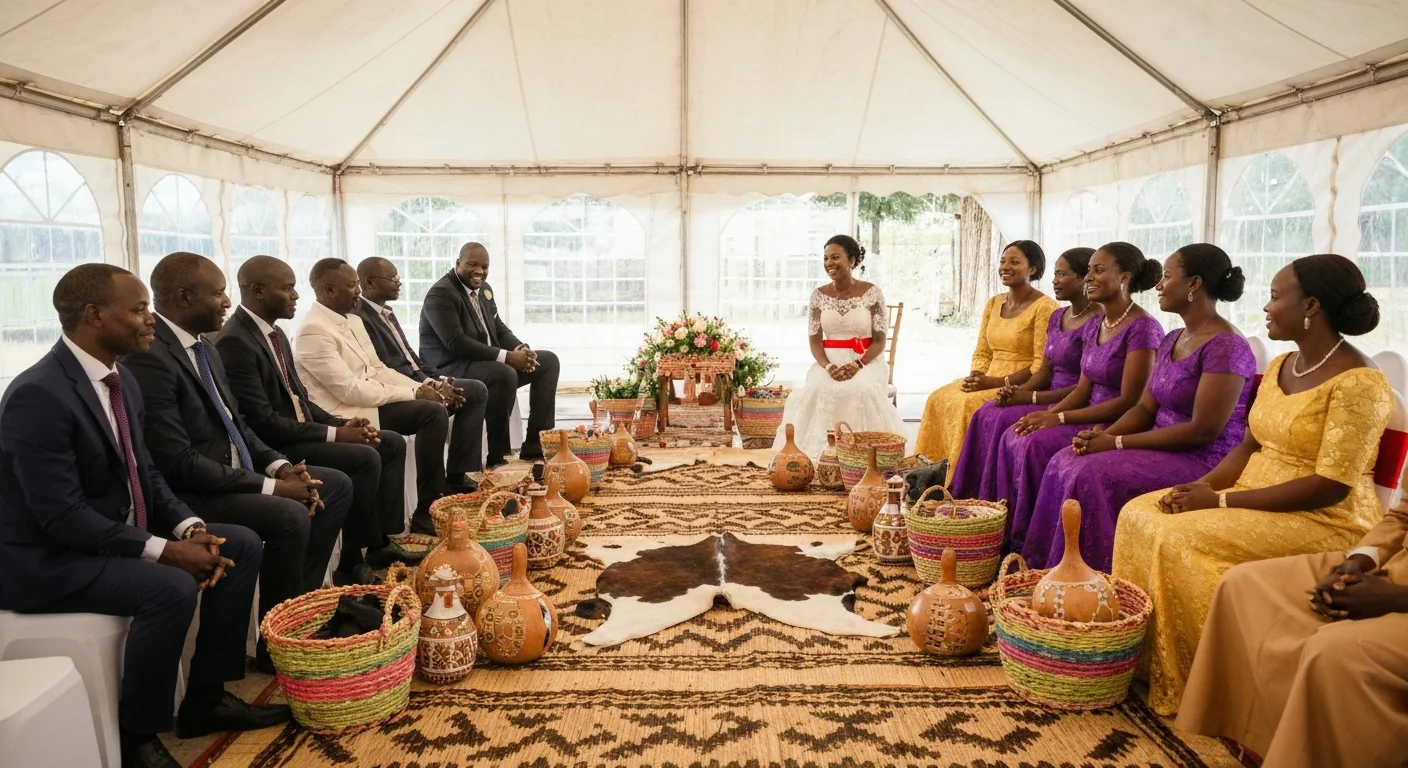
- Introduction and engagement — The groom’s family formally visits the bride’s family to declare intentions and begin negotiations.
- Mahari (bride price) negotiations — The families agree on the bride price, which varies significantly by ethnic group, religion, and region.
- Religious ceremony — A church wedding, mosque nikah, or other religious ceremony, depending on the couple’s faith.
- Reception (Karamu) — The main celebration, often held at a venue with hundreds of guests, food, music, and dancing.
- Send-off (Kusindikiza Bi Harusi) — A farewell event for the bride as she leaves her family’s home, typically held the day after the reception.
Not every couple follows all five steps. Some combine events, some skip the send-off, and some hold the introduction and mahari on the same day. The key is understanding what your families expect and communicating early about which events you plan to include.
Legal Requirements for Marriage in Tanzania
Tanzania’s marriage law is governed by the Law of Marriage Act, 1971. Before your wedding is legally recognised, you must satisfy several requirements.
Eligibility
- Both parties must consent to the marriage freely.
- The minimum legal age is 18 for men and, following legal reforms, 18 for women as well (previously 15 with parental consent, but this has been challenged and courts have raised the minimum age).
- Neither party may be currently married under monogamous marriage. Polygamous marriages under customary or Islamic law have separate rules.
Types of Legal Marriage
Tanzania recognises several forms of marriage:
- Civil marriage — Conducted by a Registrar of Marriages at a government office.
- Christian marriage — Conducted in a church by a licensed minister.
- Islamic marriage — Conducted as a nikah by a kadhi or imam.
- Customary marriage — Conducted according to the customs of the relevant ethnic group and registered afterward.
- Hindu marriage — Conducted according to Hindu rites and registered.
Each type has its own procedures, but all must be registered with the Registration Insolvency and Trusteeship Agency (RITA) to be legally valid. For a detailed walkthrough of the registration process, see our guide on marriage registration in Tanzania.
Notice of Intention to Marry
For civil and Christian marriages, you must file a Notice of Intention to Marry at least 21 days before the wedding date. This notice is posted publicly, giving anyone the opportunity to raise objections. You will need:
- Birth certificates or sworn affidavits of age for both parties
- Valid identification (national ID, passport, or voter’s card)
- Divorce decree or death certificate if either party was previously married
- Two witnesses who can attest to your eligibility
Foreign Nationals
If one or both partners are foreign nationals, additional documents are required:
- A valid passport with at least six months’ validity
- A Certificate of No Impediment (CNI) or equivalent from your home country
- Proof of single status
- All foreign documents must be translated into English or Swahili and notarised
The process for foreign nationals can take longer, so begin at least three months before your intended wedding date.
Choosing Your Wedding Date
Timing matters in Tanzania — both culturally and practically.
Season Considerations
Tanzania has two rainy seasons:
- Masika (long rains): March to May — heavy, sustained rainfall, especially on the coast and in Dar es Salaam. Avoid outdoor weddings during this period.
- Vuli (short rains): October to December — lighter, less predictable rainfall.
The best months for weddings are June through September (dry season) and January through February. December is popular but competes with holiday travel and higher prices.
Cultural and Religious Considerations
- Ramadan — If your family or community is Muslim, avoid scheduling the main celebration during Ramadan. Many guests will be fasting and social events are subdued.
- Christmas and Easter periods — Popular for weddings because extended families are already gathered, but venues and vendors book up fast.
- Harvest seasons — In rural areas, families may prefer dates that do not conflict with agricultural cycles.
Peak vs Off-Peak Pricing
Saturdays in June, July, August, and December are peak season for Tanzanian weddings. Venues and vendors charge premium rates. If your budget is tight, consider a Friday evening wedding or a Sunday afternoon celebration — you can save 20-30% on venue and catering costs.
Types of Wedding Venues in Tanzania
Tanzania offers a remarkable range of venue types. Your choice will depend on your ceremony style, guest count, budget, and the look you want.
Church and Mosque Venues
The majority of Tanzanian couples hold their ceremony in a place of worship. Major churches in Dar es Salaam — such as Azania Front Lutheran Church, St. Joseph’s Cathedral, and Christ Church Cathedral — are popular choices that can accommodate large congregations. Mosques host nikah ceremonies, which are often more intimate.
Church and mosque ceremonies are typically free or require a small donation (TZS 100,000–500,000), but you will need to follow the institution’s marriage preparation programme, which can take weeks or months.
Hotel Ballrooms
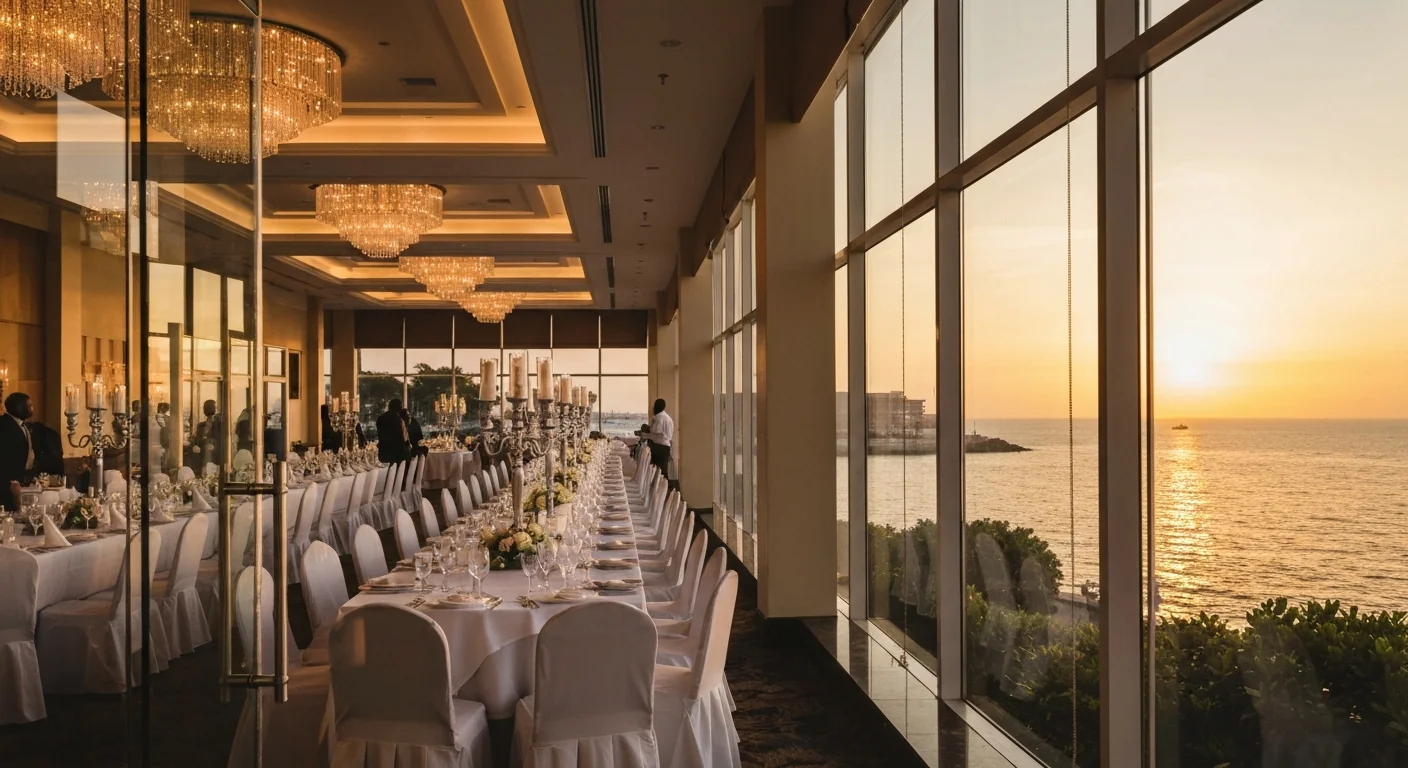
Hotels are the go-to choice for receptions in Dar es Salaam and other major cities. They handle catering in-house, provide tables and chairs, and have dedicated events teams. Popular options include the Hyatt Regency Dar es Salaam, Serena Hotel, Julius Nyerere International Convention Centre, and Southern Sun.
Expect to pay TZS 3,000,000–15,000,000+ for a hotel reception, depending on the guest count and menu.
Beach Venues
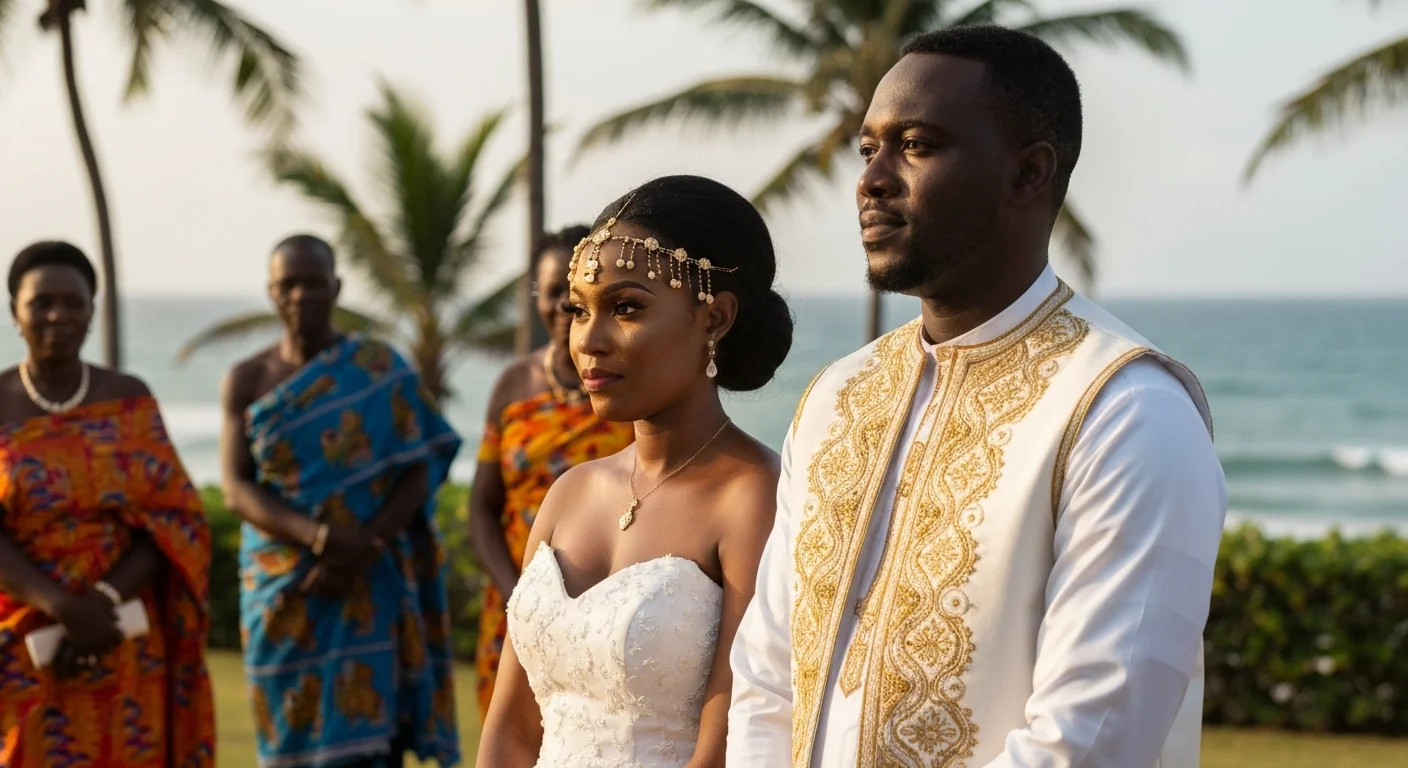
Tanzania’s Indian Ocean coastline and the islands of Zanzibar offer some of the most spectacular beach wedding settings in East Africa. Beach venues range from luxury resorts on Zanzibar’s north coast to simpler setups along the Dar es Salaam coastline (Kigamboni, Kunduchi, Bagamoyo).
Beach weddings require more logistical planning — think about tides, wind, generator access for sound and lighting, and guest transport. But the visual payoff is extraordinary.
Garden and Outdoor Venues
Garden venues are growing in popularity across Tanzania, particularly in Dar es Salaam’s suburbs and in Arusha. They offer a middle ground between the formality of a hotel and the unpredictability of a beach — greenery, open air, and flexibility in setup and décor.
Unique Venues
For couples seeking something different, Tanzania offers options you will not find anywhere else:
- Safari lodges in the Serengeti, Ngorongoro, or Tarangire — ideal for intimate destination weddings
- Spice farms in Zanzibar — atmospheric and intimate
- Rooftop venues in Dar es Salaam — growing in availability as the city’s skyline develops
- Lake Victoria waterfront in Mwanza — a stunning, underused setting
The Tanzanian Vendor Landscape
Finding reliable vendors is one of the biggest challenges for couples planning a wedding in Tanzania. The industry is growing rapidly but is still largely informal compared to Kenya or South Africa.
Key Vendor Categories
- Catering — This is typically the largest vendor expense. Many couples use a professional caterer for the reception and rely on family for the traditional ceremony meals. Expect to pay TZS 15,000–50,000 per plate depending on the menu and caterer.
- Photography and videography — The market ranges from phone-based photographers charging TZS 500,000 for basic coverage to professional studios charging TZS 3,000,000–8,000,000 for full-day coverage with edited albums and highlight videos.
- Décor and florals — Décor companies handle everything from tent and draping setup to table centrepieces and lighting. Budget TZS 1,000,000–10,000,000+ depending on the scale.
- Entertainment — Live bands are extremely popular at Tanzanian weddings. A well-known taarab or bongo flava band can cost TZS 2,000,000–10,000,000+. DJs are a more affordable option at TZS 500,000–2,000,000.
- MC (Master of Ceremonies) — A good MC is essential for managing the flow of a Tanzanian reception. Expect TZS 300,000–2,000,000 depending on the MC’s profile.
- Transport — Bridal cars, guest buses, and logistics. Budget TZS 500,000–3,000,000 depending on the fleet and distances.
How to Find Vendors
- Word of mouth — Still the most trusted method in Tanzania. Ask recently married friends and family.
- Instagram and social media — Search hashtags like #TanzanianWedding, #HarusiTanzania, or #DarEsSalaamWedding.
- Wedding expos — Events like the Dar es Salaam Wedding Expo happen annually and are a great way to compare vendors in person.
- Harusi Hub — Use our platform to browse vendors, compare quotes, and manage bookings in one place.
Vendor Tips
- Always get quotes in writing. Verbal agreements are common but risky.
- Ask to see full events they have worked, not just highlight reels.
- Confirm what is included in the price — many quotes exclude setup, transport, and overtime fees.
- Book popular vendors 6-12 months in advance, especially for peak-season dates.
Wedding Budget Overview
Wedding costs in Tanzania vary enormously depending on location, guest count, and the standard of vendors you choose. Here is a high-level overview.
Budget Tiers
| Tier | Total Budget (TZS) | Approx. USD | Typical Profile |
|---|---|---|---|
| Budget | Under 5,000,000 | Under $2,000 | Intimate ceremony, 50-100 guests, church + home or community hall reception |
| Mid-range | 5,000,000–15,000,000 | $2,000–$6,000 | 150-300 guests, garden or hotel venue, professional photographer, DJ |
| Premium | 15,000,000–50,000,000+ | $6,000–$20,000+ | 300-500+ guests, luxury hotel or beach venue, live band, full décor, videography |
These figures are for the main reception only. The traditional ceremony (mahari, introduction) is typically funded separately and can add TZS 2,000,000–10,000,000+ depending on the ethnic group and family expectations.
For a detailed cost breakdown by category, see our guide on wedding costs in Tanzania.
Dar es Salaam vs Other Cities
Dar es Salaam is the most expensive city for weddings in Tanzania. Expect to pay 30-50% more for comparable venues and vendors compared to Arusha, Mwanza, or Dodoma. Zanzibar is comparable to Dar for beach venues but can be cheaper for smaller, intimate celebrations.
Step-by-Step Planning Timeline
Here is a practical timeline for planning a Tanzanian wedding, assuming a 12-month engagement.
12 Months Before
- Set your total budget and agree on who is contributing what (couple, both families, wedding committee)
- Decide on the type of wedding (religious, civil, or both) and the number of events
- Begin mahari/introduction discussions if applicable
- Book your ceremony venue (church, mosque, or registrar)
- Start researching reception venues
9-10 Months Before
- Book your reception venue and pay the deposit
- Book your photographer and videographer
- Begin marriage preparation classes if required by your church
- Start your guest list — be realistic about numbers, as Tanzanian weddings often exceed initial estimates
6-8 Months Before
- Book your caterer and MC
- Choose your wedding party (best man, maid of honour, bridal party)
- Book entertainment (band or DJ)
- Begin shopping for attire — wedding gown, suits, and traditional outfits for the introduction ceremony
- File your Notice of Intention to Marry if having a civil or church wedding
3-5 Months Before
- Book your décor company
- Arrange transport (bridal car, guest buses)
- Send save-the-dates or create your wedding website
- Hold your traditional ceremony (introduction, mahari) if scheduling it separately
- Confirm all vendor bookings and review contracts
1-2 Months Before
- Send formal invitations
- Finalise the guest list and seating plan
- Confirm menu and dietary requirements with your caterer
- Schedule final fittings for attire
- Plan your honeymoon if applicable
Final Week
- Confirm all vendor arrival times and setup schedules
- Prepare an emergency kit (sewing kit, painkillers, phone chargers, cash for tips)
- Brief your MC on the programme and any special moments
- Delegate day-of coordination to a trusted friend, family member, or professional planner
- Rehearse the ceremony if your church or venue requires it
Cultural Considerations for Tanzanian Weddings
The Role of the Wedding Committee
In Tanzania, it is common to form a kamati ya harusi (wedding committee) — a group of friends, colleagues, and family members who help plan and fund the wedding. The committee meets regularly in the months leading up to the wedding, collects contributions (michango), and helps coordinate logistics.
This is a deeply rooted tradition and a practical one — it distributes the financial and logistical burden across a wider group. If you are planning a Tanzanian wedding, expect to participate in (or organise) committee meetings.
Michango (Contributions)
Wedding contributions from guests and community members are a cornerstone of Tanzanian wedding culture. Michango can come in the form of cash, gifts, or services. It is common for the couple to receive contributions at engagement parties, committee meetings, and the wedding itself.
Tracking these contributions matters — both for gratitude and for the social expectation that you will contribute similarly to others’ weddings in the future.
Dress Code and Attire
Tanzanian weddings often involve multiple outfit changes:
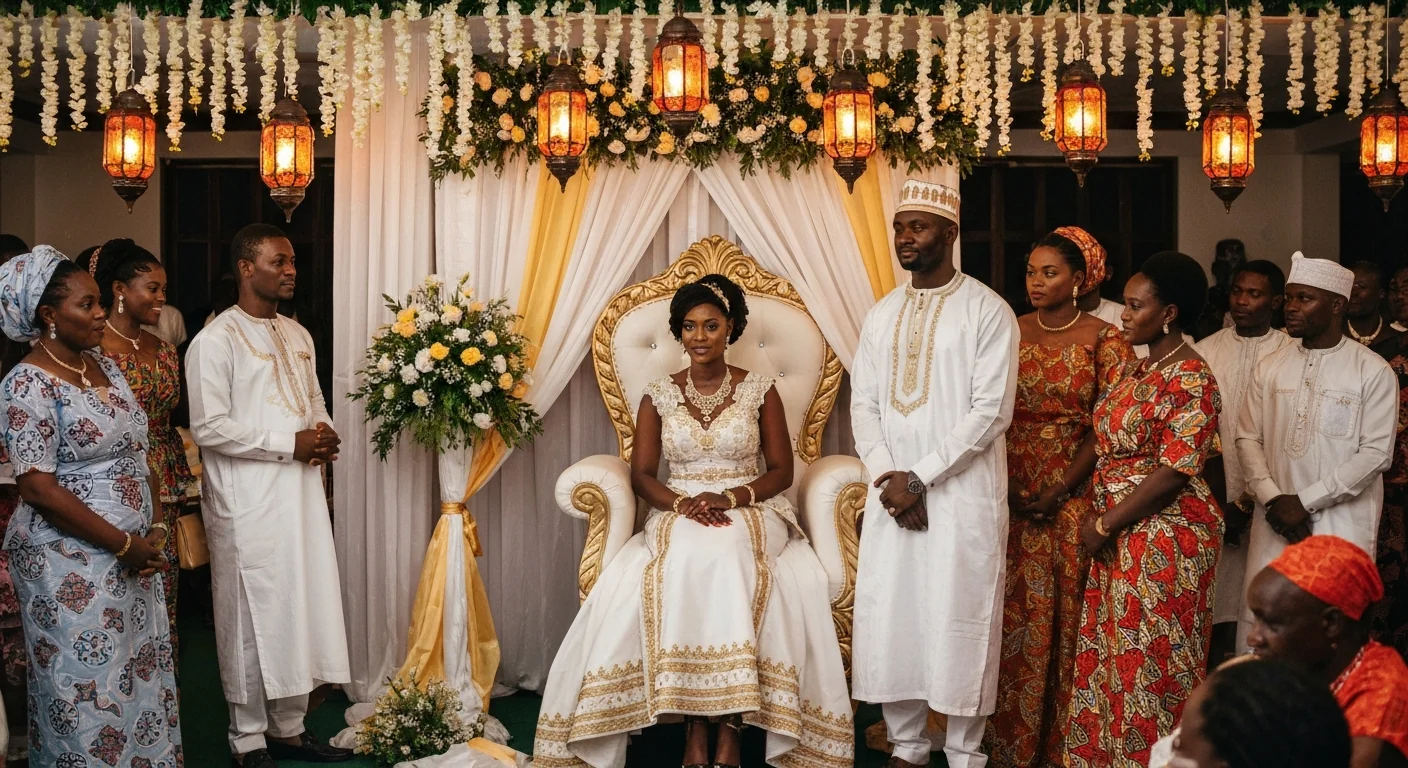
- Church or mosque ceremony — Formal Western-style wedding gown and suit, or traditional Islamic attire for nikah ceremonies.
- Reception — The couple may change into a second outfit. African print (kitenge/kanga) outfits are popular for the reception entrance or final dance.
- Traditional ceremony — Attire varies by ethnic group. Kanga and kitenge for women, kanzu for men in coastal and Islamic communities.
Food Traditions
Tanzanian wedding meals are generous and plentiful. Expect pilau (spiced rice), biryani, nyama choma (grilled meat), ndizi na nyama (plantains with meat), mishkaki (kebabs), and an array of salads and sides. Coastal and Zanzibari weddings feature more seafood and coconut-based dishes. The wedding cake is a centrepiece — multi-tiered, elaborately decorated, and ceremonially cut by the couple.
Religious Diversity
Tanzania is roughly split between Christian and Muslim populations, with significant communities practising traditional beliefs. Interfaith marriages are common and generally accepted, but each religious institution has its own requirements for marriage preparation and ceremony conduct. Discuss this with your officiant early.
Common Mistakes to Avoid
Underestimating the guest list. Tanzanian weddings are community events. Your initial list of 200 will likely grow to 300-400 once both families, work colleagues, church members, and extended relatives are included. Budget for at least 20% more guests than your initial count.
Skipping written contracts with vendors. The informal vendor market means that misunderstandings are common. Get everything in writing — what is included, what is not, payment schedules, and cancellation terms.
Ignoring the traditional ceremony budget. Many couples focus all their financial planning on the reception and are surprised by the cost of mahari and introduction ceremonies. Plan for both events from the start.
Leaving legal paperwork to the last minute. The 21-day notice period, document requirements, and potential delays at RITA mean you should start the legal process at least two months before your wedding date.
Not hiring an MC early enough. A good MC makes or breaks a Tanzanian reception. The best ones book up months in advance.
Frequently Asked Questions
How many guests attend a typical Tanzanian wedding?
Most Tanzanian weddings host between 200 and 500 guests. Larger weddings of 700-1,000+ guests are not uncommon, especially in Dar es Salaam and among prominent families. Even if you plan a “small” wedding, expect at least 150 guests once both families are accounted for.
Can I have a destination wedding in Tanzania?
Absolutely. Zanzibar is one of East Africa’s top destination wedding locations, and safari lodges in the Serengeti and Ngorongoro offer unforgettable settings. For destination weddings, start planning at least 12 months in advance and consider hiring a local wedding planner to handle on-the-ground logistics.
How do I handle an interfaith wedding?
Interfaith weddings are common in Tanzania. The most practical approach is to hold the religious ceremonies separately (e.g., a nikah and a church blessing on different days or at different times) and bring everyone together for a shared reception. Discuss this with both religious leaders early to ensure everyone is comfortable with the arrangement.
Is it safe to pay vendor deposits via mobile money?
M-Pesa (Vodacom) and Tigo Pesa are widely used for vendor payments in Tanzania. They provide a transaction record, which is useful for tracking. However, always get a written receipt or confirmation alongside the mobile money transaction.
Do I need a wedding planner?
A professional wedding planner is not strictly necessary, but it is highly recommended for weddings with 200+ guests, destination weddings, or couples planning from abroad. A good Tanzanian wedding planner will cost TZS 1,000,000–5,000,000 depending on the scope of services. The investment often pays for itself in vendor negotiations and stress reduction.
Plan Your Tanzanian Wedding in One Place
Guest lists, budgets, vendor tracking, and a beautiful wedding website — Harusi Hub gives you everything you need to plan your Tanzanian wedding without the chaos.
Start Planning on Harusi Hub