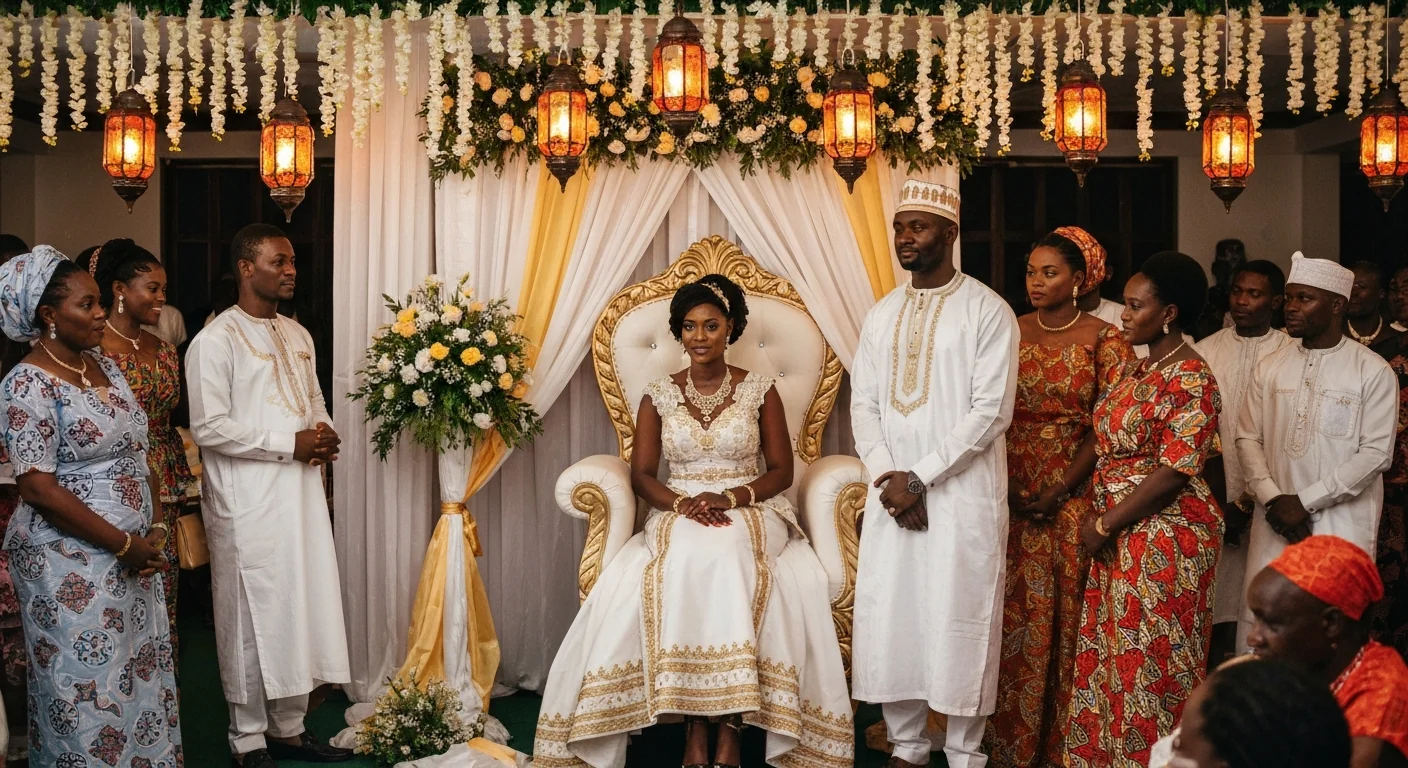
Marriage Registration in Tanzania: Requirements & Process
A step-by-step guide to legally registering a marriage in Tanzania — required documents, the Marriage Act, notice requirements, RITA registration, fees, and foreign national procedures.

Marriage Registration in Tanzania: Requirements & Process
You have planned the ceremony, booked the venue, and sent the invitations — but have you handled the legal side? In Tanzania, a wedding celebration alone does not make a marriage legally binding. Registration is a separate, essential step that many couples leave too late.
This guide walks you through every step of legally registering a marriage in Tanzania, whether you are marrying under civil law, religious law, or customary law. It covers the required documents, the formal process, fees, timelines, and the specific requirements for foreign nationals.
The Legal Framework: Tanzania’s Marriage Act
Marriage in Tanzania is governed by the Law of Marriage Act, 1971 (Act No. 5 of 1971). This is the primary legislation that defines the types of marriages recognised by Tanzanian law, the requirements for a valid marriage, and the registration process.
The Act recognises five types of marriage:
- Civil marriage — Conducted by a government-appointed Registrar of Marriages.
- Christian marriage — Conducted in a church by a licensed minister or priest.
- Islamic marriage — Conducted as a nikah according to Islamic law, officiated by a kadhi or imam.
- Customary marriage — Conducted according to the customs and traditions of the relevant ethnic group.
- Hindu marriage — Conducted according to Hindu rites.
All five types, when properly conducted and registered, are legally valid in Tanzania. The key distinction is between monogamous marriages (civil and most Christian marriages) and potentially polygamous marriages (Islamic, customary, and some Hindu marriages), which affects the legal rights and obligations of the parties.
Eligibility Requirements
Before you can register a marriage in Tanzania, both parties must meet these requirements:
Age
- The minimum legal age for marriage is 18 years for males.
- For females, the Law of Marriage Act originally set the minimum at 15 with parental consent (14 with court consent), but a landmark 2019 Court of Appeal ruling declared child marriage unconstitutional and effectively raised the minimum age to 18 for both sexes.
- If either party is under 18, the marriage cannot legally proceed.
Consent
- Both parties must give free and voluntary consent. A marriage obtained through force, fraud, or coercion is voidable.
- For parties aged 18-21, parental or guardian consent may be required depending on the type of marriage and the registrar’s discretion.
Marital Status
- For a monogamous marriage (civil or Christian), neither party may be currently married. If previously married, a divorce decree absolute or a death certificate of the former spouse is required.
- For Islamic and customary marriages, the rules around polygamy follow the respective religious or customary law, but the man must disclose any existing marriages.
Prohibited Relationships
- Marriage between close blood relatives (parent-child, siblings, uncle-niece, aunt-nephew) is prohibited.
- The full list of prohibited degrees of relationship is set out in the First Schedule of the Marriage Act.
Step-by-Step: Registering a Civil Marriage
A civil marriage is conducted by an appointed Registrar of Marriages at a government office (typically a district or regional office). Here is the process.
Step 1: Obtain the Required Documents
Both parties need to gather the following:
| Document | Details |
|---|---|
| Birth certificate | Original or certified copy. If unavailable, a sworn affidavit of age from a commissioner of oaths. |
| National identification | National ID card (NIDA), valid passport, or voter registration card. |
| Passport-size photographs | 2-4 recent photos of each party (requirements vary by district). |
| Divorce decree / death certificate | Only if either party was previously married. Must be the final decree absolute, not a preliminary order. |
| Parental/guardian consent | Only if either party is between 18-21 years of age (varies by registrar). |
Step 2: File a Notice of Intention to Marry
Both parties (or their authorised representatives) must visit the District Registrar’s office in the district where at least one of them resides and file a Notice of Intention to Marry.
The notice includes:
- Full names, addresses, ages, and occupations of both parties
- The intended date and place of marriage
- A declaration that there are no legal impediments to the marriage
The 21-day requirement: Once filed, the notice is displayed publicly at the registrar’s office for 21 days. This is a mandatory waiting period that allows anyone to raise objections to the marriage. The marriage cannot take place until this period has elapsed.
Fee: The notice filing fee is nominal — typically TZS 5,000–10,000.
Step 3: Respond to Any Objections
If an objection is raised during the 21-day notice period, the registrar will investigate. Objections must be on legal grounds (e.g., one party is already married, the parties are within prohibited degrees of relationship, one party is underage). Frivolous objections do not prevent the marriage from proceeding.
If no objections are raised (which is the vast majority of cases), the process continues.
Step 4: The Civil Ceremony
After the 21-day period, the marriage can take place at the registrar’s office or at a location approved by the registrar.
What happens during the ceremony:
- The registrar reads the legal declarations.
- Both parties declare that they take each other as husband and wife.
- The marriage register is signed by both parties, the registrar, and two witnesses.
- The registrar issues an initial marriage certificate.
Witness requirements: You need at least two witnesses who are:
- Over 18 years of age
- Of sound mind
- Able to identify both parties
Timing: The ceremony itself is brief — typically 15-30 minutes.
Step 5: Register with RITA
After the ceremony, the marriage must be registered with the Registration Insolvency and Trusteeship Agency (RITA), which is the government body responsible for maintaining Tanzania’s civil registry.
If the marriage was conducted by a government registrar, the registrar typically forwards the marriage records to RITA. However, it is the couple’s responsibility to confirm that the registration has been completed and to obtain their official marriage certificate.
RITA offices: The main RITA office is in Dar es Salaam, with regional offices across Tanzania. Visit RITA’s official website for office locations and contact information.
Registering a Church (Christian) Marriage
Christian marriages in Tanzania are conducted in churches by ministers, priests, or pastors who hold a license to solemnise marriages issued by the government. The process differs slightly from a civil marriage.
Requirements
- Completion of the church’s marriage preparation programme (compulsory at most churches). Duration varies from 4 weeks to 6 months depending on the denomination.
- Baptism certificates for both parties (required by most denominations).
- A letter of introduction from your home parish if you are marrying in a different church.
- Filing of the Notice of Intention to Marry at the district registrar’s office (the 21-day notice period still applies for Christian marriages).
- The same identity documents and eligibility requirements as for a civil marriage.
The Process
- Complete the church’s marriage preparation course.
- File the Notice of Intention to Marry at the district registrar’s office.
- After the 21-day notice period, the church ceremony takes place.
- The officiant, the couple, and two witnesses sign the church marriage register.
- The officiant submits the marriage records to the district registrar, who forwards them to RITA.
- The couple receives their marriage certificate.
Church Fees
Church wedding fees vary by denomination and congregation but typically range from TZS 100,000 to TZS 500,000. This covers the use of the church, the officiant’s services, and administrative costs. Some churches charge separately for music, decorations, and marriage preparation materials.
Registering an Islamic (Nikah) Marriage
Islamic marriages in Tanzania are conducted according to Sharia law and officiated by a kadhi (Islamic judge) or a licensed imam.
Requirements
- Both parties must be Muslim (in most interpretations; some kadhis will conduct an interfaith nikah under specific conditions).
- The mahr (bridal gift from groom to bride) must be agreed upon and declared during the ceremony.
- The bride’s wakil (representative, usually her father or a male guardian) must be present to give consent on her behalf.
- Two adult male Muslim witnesses must be present.
- The standard identity documents and eligibility requirements apply.
The Process
- The groom approaches the kadhi or imam and declares his intention to marry.
- The mahr is agreed upon between the families.
- The nikah ceremony is conducted, with the kadhi asking the bride (through her wakil) and the groom for their consent.
- The marriage contract is signed by both parties, the wakil, the kadhi, and the two witnesses.
- The kadhi registers the marriage with the local district registrar.
- The district registrar forwards the records to RITA.
Key Differences
- Islamic marriages in Tanzania are potentially polygamous — a man may marry up to four wives under Islamic law, provided he can treat them equally.
- The 21-day notice period does not apply in the same way for Islamic marriages — the kadhi’s own process serves as the notification mechanism.
- The mahr is a legal requirement of the nikah and must be documented.
Registering a Customary Marriage
Customary marriages are conducted according to the traditional practices of the couple’s ethnic group. Tanzania has over 120 ethnic groups, each with distinct marriage customs.
Requirements
- The marriage must comply with the customary law of the relevant ethnic group.
- Bride price (mahari) payments, if applicable under that group’s customs, should be completed or agreed upon.
- The marriage must be witnessed by family elders and community members as required by custom.
- Both parties must meet the legal eligibility requirements (age, consent, marital status).
The Process
- The customary marriage ceremonies are conducted according to the relevant ethnic traditions (e.g., Chagga, Sukuma, Haya, Maasai, etc.).
- After the ceremonies, one or both parties must visit the district registrar’s office to register the marriage.
- The following documents are typically required:
- A letter or declaration from the relevant clan or family elders confirming that the marriage was conducted according to custom
- Identity documents for both parties
- Witness statements from individuals present at the ceremony
- The district registrar records the marriage and forwards the information to RITA.
Important Notes
- Customary marriages are potentially polygamous unless the parties specifically declare otherwise at registration.
- Registration is not automatic — the couple must actively register the marriage. Many customary marriages in Tanzania go unregistered, which can create legal problems regarding property rights, inheritance, and children’s status.
- Strongly recommended: Register your customary marriage with RITA as soon as possible after the ceremony. An unregistered customary marriage, while socially recognised, may not be easily enforceable in court.
Requirements for Foreign Nationals
If one or both parties to the marriage are foreign nationals, additional requirements apply.
Documents Required
| Document | Details |
|---|---|
| Valid passport | With at least 6 months’ validity from the intended date of marriage. |
| Certificate of No Impediment (CNI) | Also called a Certificate of Freedom to Marry. Issued by your home country’s government or embassy. Must confirm that you are legally free to marry. |
| Birth certificate | Original or certified copy. |
| Single status declaration / affidavit | A sworn statement that you are not currently married. |
| Divorce decree / death certificate | If previously married. |
| Proof of residence in Tanzania | If you are residing in Tanzania (e.g., residence permit, employer letter). |
Translation and Notarisation
- All documents not in English or Swahili must be officially translated and the translation must be notarised.
- Documents from some countries may also require apostille or embassy authentication.
- The Tanzanian embassy or high commission in your home country can advise on specific authentication requirements.
The Process for Foreign Nationals
- Obtain all required documents from your home country. Start this process at least 3 months before your intended wedding date — some documents (especially the CNI) can take weeks to obtain.
- Have all foreign documents translated (if necessary), notarised, and authenticated.
- Visit the district registrar’s office in Tanzania and file the Notice of Intention to Marry.
- The 21-day notice period applies.
- Proceed with the ceremony (civil, religious, or customary).
- Register the marriage with RITA.
- Obtain your Tanzanian marriage certificate.
After the Wedding: Registration in Your Home Country
Your Tanzanian marriage certificate is legally valid in Tanzania, but you may also need to register the marriage in your home country. Requirements vary by country — contact your embassy or consular office in Dar es Salaam for guidance.
Obtaining Your Marriage Certificate
From the Ceremony
The officiant (registrar, minister, kadhi, or community leader) will provide an initial marriage record or certificate at the time of the ceremony. This is typically a basic document confirming that the marriage took place.
From RITA: The Official Certificate
The official marriage certificate is issued by RITA and is the document you will need for all legal purposes — name changes, visa applications, property transactions, insurance, etc.
How to obtain it:
- Confirm that your marriage has been registered with RITA (the officiant should have submitted the records, but follow up).
- Visit a RITA office and apply for your marriage certificate.
- Provide identification and relevant details (names, date of marriage, place of marriage).
- Pay the prescribed fee (currently TZS 4,000–10,000 for a standard certificate).
- Processing time is typically 1-4 weeks, though it can be longer in busy periods.
Certified Copies
If you need additional copies of your marriage certificate (for name changes, visa applications, etc.), you can apply for certified copies from RITA. Each copy has a small fee. Keep your original in a safe place and use certified copies for administrative purposes.
Fees Summary
| Item | Approximate Fee (TZS) |
|---|---|
| Notice of Intention to Marry | 5,000 – 10,000 |
| Civil marriage ceremony | 10,000 – 30,000 |
| Marriage certificate (RITA) | 4,000 – 10,000 |
| Certified copy of certificate | 4,000 – 10,000 per copy |
| Church/mosque fees | 100,000 – 500,000 (varies by institution) |
| Document translation and notarisation (foreign nationals) | 50,000 – 300,000 per document |
Fees are subject to change. Confirm current rates with the relevant district registrar’s office or RITA.
Timeline: How Long Does It All Take?
| Step | Duration |
|---|---|
| Gathering documents (Tanzanian citizens) | 1-2 weeks |
| Gathering documents (foreign nationals) | 4-12 weeks |
| Church marriage preparation course | 4 weeks – 6 months |
| Notice of Intention to Marry (posting period) | 21 days (mandatory) |
| Ceremony day | 1 day |
| Registration processing at RITA | 1-4 weeks |
| Total (Tanzanian citizens, civil marriage) | 5-8 weeks minimum |
| Total (foreign nationals) | 3-6 months recommended |
Our advice: Start the legal process as early as possible. The 21-day notice period alone means you cannot leave this to the last minute. For church weddings, the marriage preparation course adds months. For foreign nationals, document procurement from abroad adds significant lead time.
Common Mistakes and How to Avoid Them
Mistake 1: Assuming the church or mosque handles everything
Many couples assume that getting married in a church or mosque automatically registers the marriage with the government. While licensed officiants are supposed to submit records to the district registrar, this does not always happen promptly or at all. Follow up. Visit RITA or the district registrar to confirm your marriage is registered.
Mistake 2: Not registering a customary marriage
Customary marriages are legally recognised in Tanzania, but only if registered. An unregistered customary marriage can lead to disputes over property, inheritance, and children’s legal status. Register as soon as possible after the ceremony.
Mistake 3: Leaving the Notice of Intention too late
The 21-day notice period is non-negotiable for civil and Christian marriages. If you file the notice three weeks before your wedding date, you are cutting it dangerously close — any delay in processing could push your legal ceremony past your planned date.
Mistake 4: Foreign documents without proper authentication
Foreign documents that are not properly translated, notarised, and authenticated will be rejected by the registrar. Start this process early and confirm the exact requirements with the Tanzanian embassy in your country.
Mistake 5: Not getting enough certified copies
You will need your marriage certificate for multiple purposes — name changes, bank accounts, insurance, visa applications, property transfers. Order several certified copies from RITA at the time of registration rather than having to go back repeatedly.
Special Circumstances
Interfaith Marriages
Tanzania does not have a specific legal category for interfaith marriages. In practice:
- A civil marriage is the most straightforward option for interfaith couples, as it has no religious requirements.
- Some couples hold a civil marriage for legal purposes and separate religious ceremonies (e.g., a nikah and a church blessing) for their respective communities.
- Discuss your situation with the registrar and with both religious leaders early in the process.
Marriages of Tanzanians Abroad
If you are a Tanzanian citizen marrying abroad, you can register the marriage with the Tanzanian embassy or high commission in the country where the marriage takes place. Contact the embassy for specific requirements. You may also need to register the marriage with RITA upon returning to Tanzania.
Zanzibar-Specific Considerations
Zanzibar has its own legal system separate from mainland Tanzania, though the Law of Marriage Act applies across the United Republic. The registration process in Zanzibar may be handled through Zanzibar’s own registrar offices rather than mainland RITA offices. Confirm the specific process with local authorities if you are marrying in Zanzibar.
Frequently Asked Questions
Is a marriage in Tanzania recognised internationally?
Yes — a marriage legally conducted and registered in Tanzania is generally recognised internationally. However, you may need to register the marriage separately in your home country and provide a certified, translated copy of your Tanzanian marriage certificate. Check with your country’s embassy.
Can I change my name after marriage in Tanzania?
Yes. With your registered marriage certificate, you can apply for a name change on your national ID (NIDA), passport, bank accounts, and other documents. The process involves visiting the relevant institutions with your marriage certificate and completing their change-of-name forms.
What if I lost my marriage certificate?
You can apply for a replacement certificate from RITA by providing your personal details, the date and place of marriage, and paying the prescribed fee. Having your original certificate number speeds up the process.
Can same-sex marriages be registered in Tanzania?
No. Same-sex marriages are not recognised under Tanzanian law. The Law of Marriage Act defines marriage as between a man and a woman.
How do I verify if a marriage is registered?
You can contact RITA directly to verify whether a specific marriage is in their records. Provide the names of both parties and the approximate date of marriage.
Get Your Wedding Organised From Day One
Legal paperwork is just one piece of the puzzle. Harusi Hub helps you manage your entire wedding — guest lists, budgets, vendors, and a beautiful wedding website — so nothing falls through the cracks.
Start Planning on Harusi Hub