Haya Wedding Traditions
A comprehensive guide to Haya wedding traditions from the Kagera region of northwestern Tanzania — bride price customs, pre-wedding rituals, traditional attire, ceremony flow, and modern adaptations.
Haya Wedding Traditions
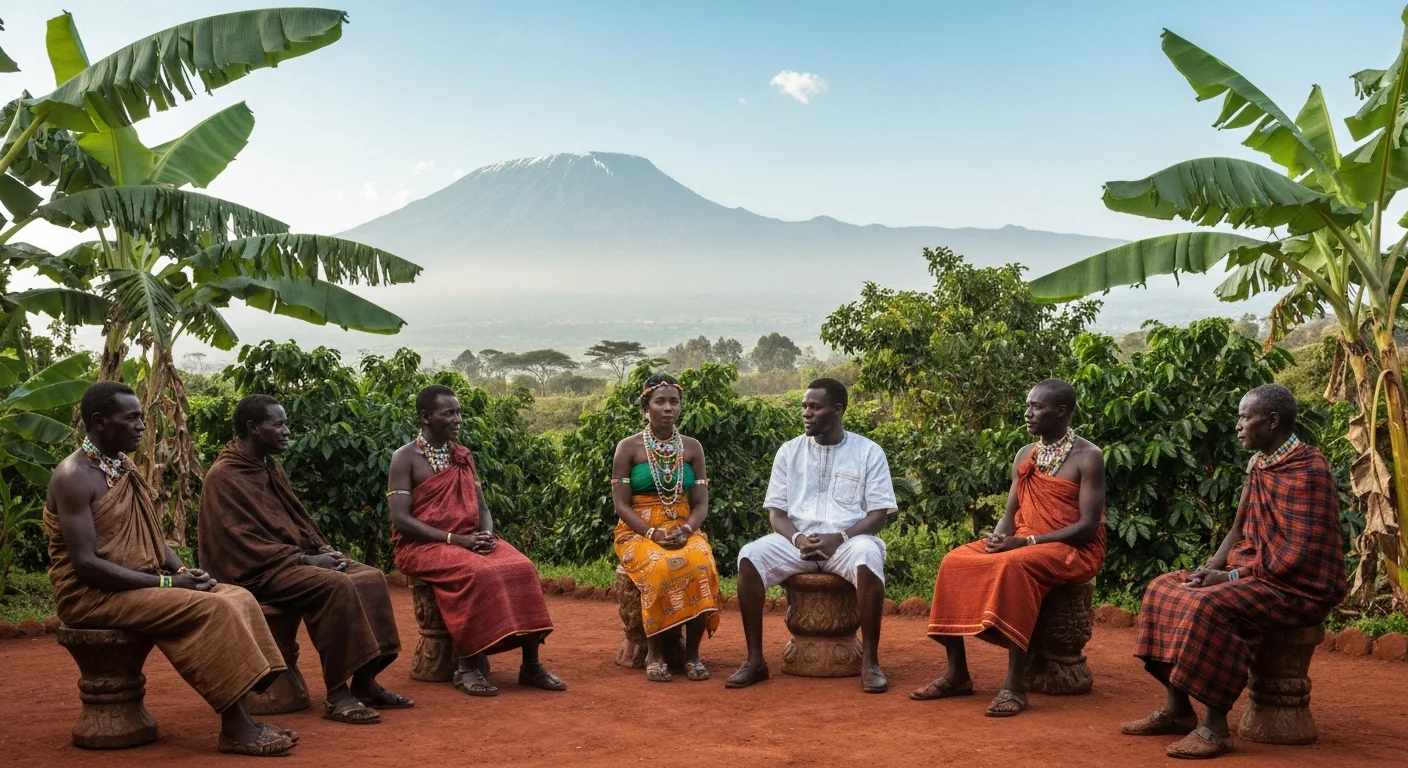
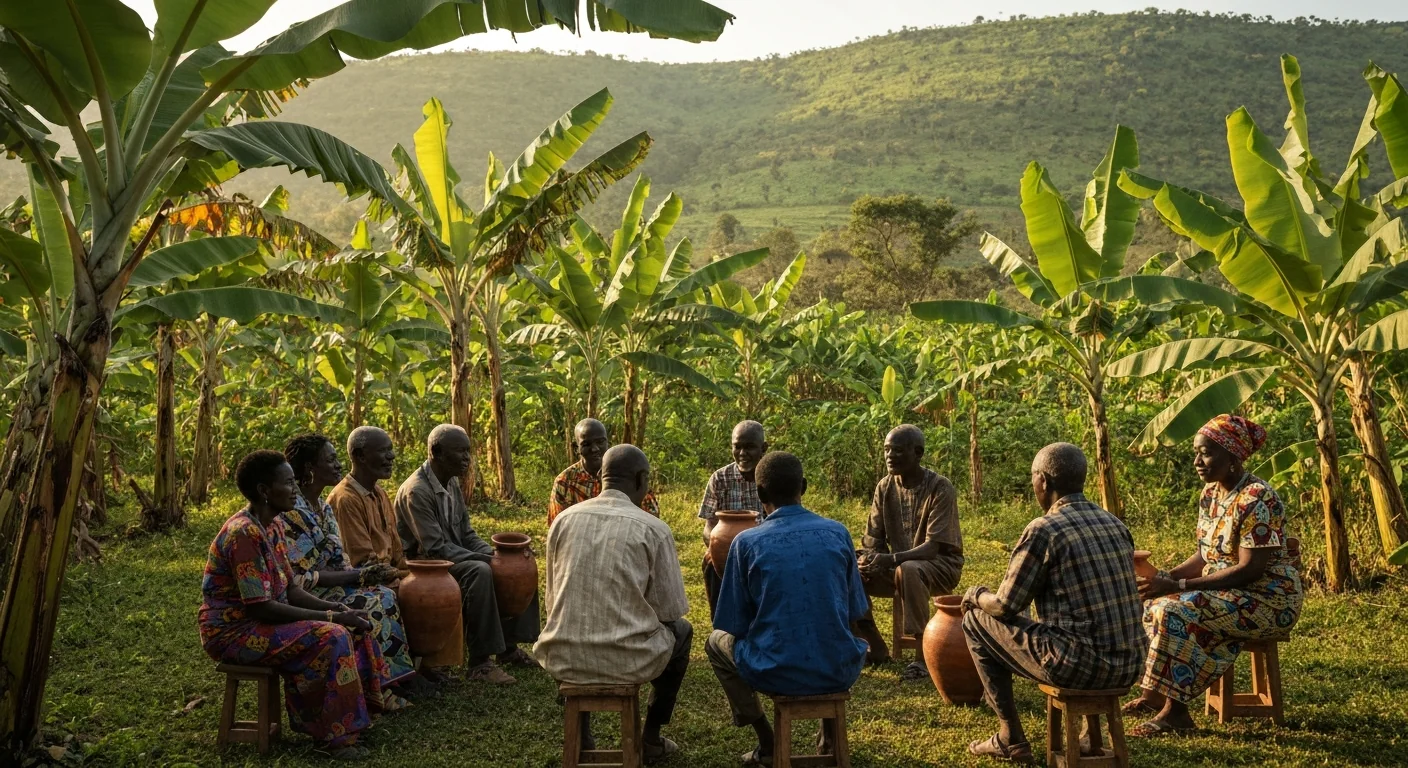
The Haya people of northwestern Tanzania have marriage traditions as rich and layered as their homeland — the lush, green hills of Kagera, where banana groves stretch across the landscape and Lake Victoria shimmers on the horizon. Haya weddings are community events that unfold across days and involve intricate protocols that bind families together through shared ritual, shared food, and shared responsibility.
The Haya (also known as Bahaya) are a Bantu-speaking people who live primarily in the Kagera Region of northwestern Tanzania, bordering Uganda, Rwanda, and Burundi. With a population of approximately two million, they are one of Tanzania’s larger ethnic groups. Their culture reflects centuries of interaction with neighbouring Great Lakes communities, and their wedding traditions carry a distinctive blend of formality, family involvement, and celebration.
This guide covers the full Haya marriage process — from the initial family enquiries through the wedding ceremony and beyond — with attention to both traditional practices and how modern Haya couples adapt them.
The Haya People: Cultural Context
Understanding Haya wedding traditions requires some context about Haya culture and social structure.
Clan and Family Structure
The Haya are organised into clans (ruganda), and clan identity plays an important role in marriage. Marriage within the same clan is traditionally prohibited — this exogamy rule ensures genetic diversity and strengthens inter-clan social bonds. Before any marriage can proceed, both families must confirm that they belong to different clans.
The family patriarch (the senior male elder, often the grandfather or uncle) holds significant authority in marriage decisions. His blessing is essential for the marriage to proceed, and his involvement in negotiations is expected.
The Importance of Bananas
The Haya homeland in Kagera is banana country. Bananas (both cooking varieties and those used for brewing) are central to Haya economy, cuisine, and culture. This agricultural foundation shows up directly in wedding traditions — from the banana beer that lubricates every negotiation to the banana-based dishes that feed every celebration.
Religious Context
The Haya are predominantly Christian (Catholic and Protestant), with a minority practicing Islam and traditional beliefs. Like most Tanzanian communities, modern Haya couples typically combine traditional customs with a religious ceremony — the two are not seen as conflicting but as complementary.
The Haya Marriage Process: Stage by Stage
Stage 1: Okushaba — The Initial Approach
The Haya marriage process begins with okushaba — the groom’s family making a formal request to the bride’s family for her hand in marriage.
How it works:
- The groom informs his father (or the senior male in his family) of his intention to marry.
- The father sends a delegation of abashaba (envoys) — typically two to four respected male relatives or family friends — to the bride’s family home.
- The delegation arrives carrying lubisi (traditional banana beer) and other modest gifts.
- They greet the bride’s family and, after social pleasantries, formally state their purpose: a young man from their family wishes to marry their daughter.
- The bride’s family listens but does not give an immediate answer. They thank the delegation, accept the gifts, and ask for time to discuss and investigate.
What the bride’s family investigates:
- The groom’s clan identity (to confirm different clans)
- The groom’s family reputation, character, and social standing
- Any history of hereditary illness, family disputes, or social problems
- The groom’s education, employment, and ability to support a family
This investigation can take one to four weeks. Extended family members across the Kagera region may be consulted.
The response:
If the investigation is favourable, the bride’s family invites the groom’s delegation back for further discussions. If the answer is no, the refusal is communicated respectfully — often by returning the gifts or sending a polite message through a neutral intermediary.
Stage 2: Okujuganya — The Bride Price Negotiation
Once the initial approach is accepted, the formal bride price negotiation — okujuganya — begins. This is the most significant and complex stage of the Haya marriage process.
Who participates:
- Senior male elders from both families (fathers, uncles, grandfathers)
- A neutral mediator, often a respected community elder known to both families
- The groom, who may or may not be present for the entire negotiation (in some families, the elders negotiate on his behalf)
- The bride is typically not present during the negotiation itself
What is negotiated:
The Haya bride price traditionally consists of several components:
| Component | Traditional Form | Modern Equivalent |
|---|---|---|
| Cattle | 1-5 cows (the most important element) | TZS 500,000–2,000,000 per cow (cash equivalent) |
| Lubisi (banana beer) | Multiple large containers (debe) of freshly brewed lubisi | TZS 100,000–500,000 (for brewing or purchasing) |
| Amabeere (milk) | Fresh milk in traditional gourds | TZS 50,000–200,000 (cash or purchases) |
| Cash (nsiimbi) | Direct monetary gifts to the bride’s parents and key relatives | TZS 200,000–2,000,000 |
| Clothing and fabric | Kitenge, kanga, or other quality fabric for the bride’s mother and aunts | TZS 100,000–500,000 |
| Household items | Blankets, utensils, and provisions | TZS 100,000–400,000 |
| Sugar and tea | Standard provisions | TZS 50,000–100,000 |
| Goats | 1-3 goats | TZS 80,000–300,000 (cash equivalent) |
Total typical range: TZS 1,500,000–6,000,000 (varies significantly by family)
The negotiation atmosphere:
Haya bride price negotiations are formal but not adversarial. They are conducted with respect, and there is often an element of structured back-and-forth:
- The bride’s family states their expectations.
- The groom’s family responds with their offer.
- Discussion follows, with the mediator helping to bridge gaps.
- Both sides are expected to be reasonable — an excessively high demand reflects poorly on the bride’s family, while an unacceptably low offer reflects poorly on the groom’s.
The negotiation often includes meal breaks where both families eat together, and lubisi flows throughout the proceedings. These shared moments are as important as the formal bargaining — they build the relationship that will connect the families for life.
Payment arrangements:
The agreed bride price may be delivered in full on the negotiation day, or a payment schedule may be arranged. Partial payment with a commitment to deliver the remainder within an agreed timeframe is common and acceptable.
Stage 3: Okugamba — The Formal Engagement
Once the bride price is agreed upon, the formal engagement — okugamba — takes place. This is the public declaration that the couple is officially betrothed.
What happens:
- A larger gathering of both families is held, usually at the bride’s family home.
- The groom’s family arrives with the agreed-upon bride price items (or the first instalment).
- Elders from both families make formal speeches acknowledging the agreement.
- The bride’s father (or senior male relative) formally accepts the bride price and declares his daughter engaged.
- The bride may be presented to the groom’s family delegation formally — this is often an emotional moment.
- Prayers and blessings are offered by elders.
- A celebratory meal is shared, with generous amounts of lubisi.
In some Haya families, the engagement is a relatively intimate affair with close family. In others, it is a larger community celebration. The scale depends on the families’ preference and resources.
Stage 4: Okushyegyera — Pre-Wedding Preparations
The period between the formal engagement and the wedding day is called okushyegyera — a time of preparation for both families.
The bride’s preparation:
- Counsel from older women: The bride receives guidance about married life from her mother, aunts, and grandmother. This counsel covers household management, cooking (especially traditional Haya dishes), hosting guests, and the intimate aspects of marriage.
- Beauty preparation: Traditionally, the bride was secluded and fattened (a sign of health and prosperity). Today, this has largely been replaced by modern bridal beauty routines — hair, skin care, and wedding attire preparation.
- Trousseau assembly: The bride’s family prepares her echumbi — the collection of household items, utensils, bedding, and personal effects she will take to her new home. This is the Haya equivalent of a dowry from the bride’s side and can be substantial, including items like beds, mattresses, kitchen sets, and clothing.
The groom’s preparation:
- Home preparation: The groom is expected to have a home ready for his bride. In rural Kagera, this means building or renovating a house. In urban settings, it means having a rented or owned apartment prepared and furnished.
- Financial readiness: The groom must have the resources to host guests and begin married life. His family and friends often contribute to help him prepare.
Joint preparations:
- Setting the date: The wedding date is agreed upon by both families, taking into account church schedules, agricultural seasons, and family availability.
- Invitation distribution: Invitations are extended to family, friends, neighbours, and community members. In rural Kagera, invitations are often delivered in person. In urban settings, printed cards and digital invitations are common.
Stage 5: The Wedding Day — Okushyalwa
The Haya wedding day is a multi-part celebration that can last from morning to late evening, with different activities at different locations.
Morning: The Bride’s Home
The wedding day begins at the bride’s family home.
- Preparation: The bride is dressed in her wedding attire by her attendants (often called abashwekazi — the bridesmaids or bridal party).
- Prayers and blessings: The bride’s family gathers for prayers. Elders bless the bride and offer final words of wisdom.
- The departure ritual: Before the bride leaves her family’s home, there is an emotional ritual where:
- The bride’s mother gives her a final blessing.
- The bride may cry or show reluctance to leave — this is a culturally expected display of grief at leaving her childhood home and love for her family.
- An older female relative (often the paternal aunt, shengyekazi) accompanies the bride to guide and support her through the transition.
Midday: The Church Ceremony
For the majority of Haya couples who are Christian:
- The wedding moves to the church for the religious ceremony.
- The ceremony follows the liturgy of the relevant denomination (Catholic mass or Protestant service).
- Hymns are sung in Kihaya (the Haya language), Swahili, and sometimes English.
- Vows are exchanged and rings are blessed and placed.
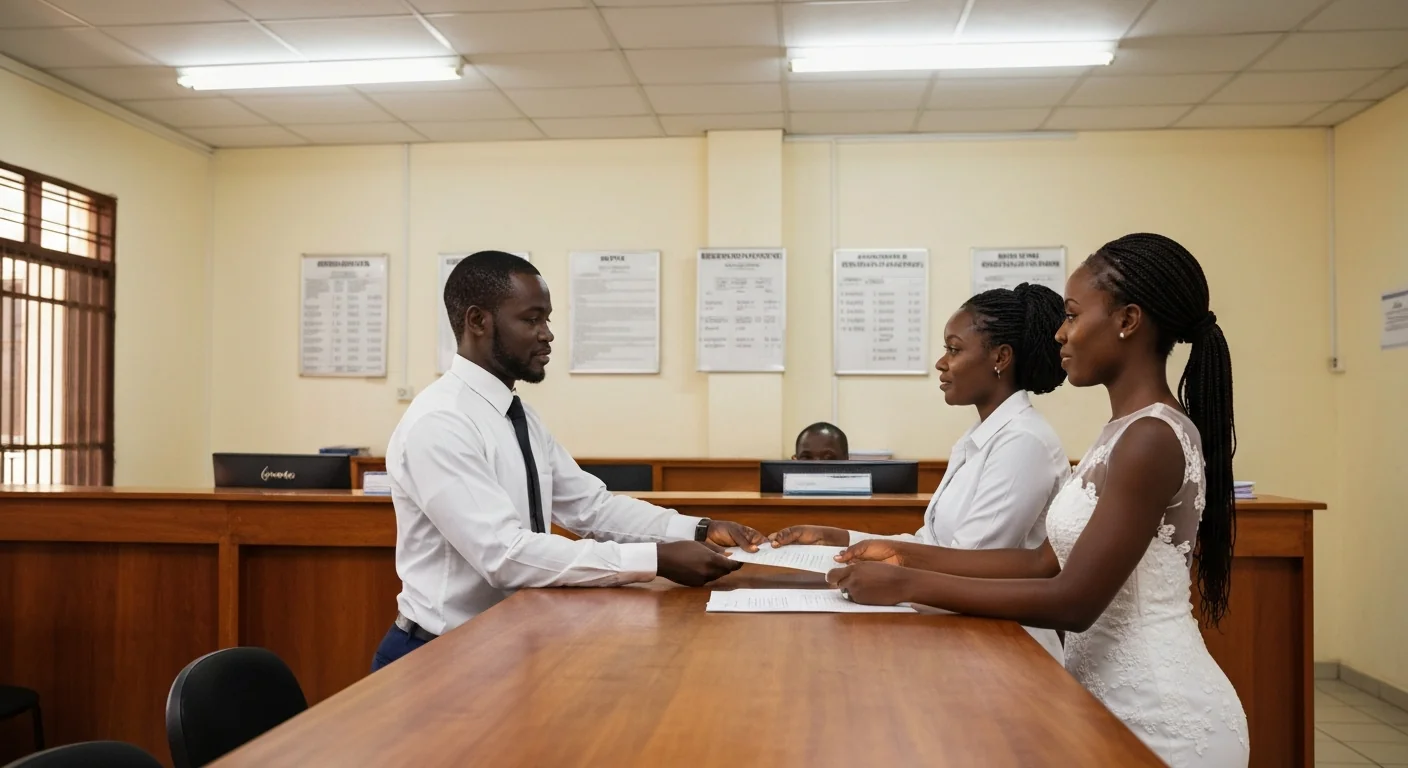
- The church register is signed.
- The couple exits the church to celebration, singing, and ululation from the congregation.
Afternoon/Evening: The Reception (Oburaro)
The reception is the main communal celebration.
- Held at a hall, garden, or family homestead.
- The couple makes a grand entrance, often to traditional Haya songs or modern music.
- Speeches: Extended speeches from family elders, parents, the best man, and maid of honour are a central feature. Haya speeches are often eloquent, long, and deeply personal — they are taken seriously as public declarations of blessing and advice.
- Food: A lavish meal featuring traditional Haya dishes (see the food section below).
- Lubisi: Banana beer is served alongside modern drinks.
- Dancing: Traditional Haya dances are performed, followed by modern dancing. Music may include Haya traditional songs, bongo flava, gospel, and Congolese rumba (popular across the Great Lakes region).
- Gift presentation: Guests present gifts to the couple, often publicly. This is both a celebration and a social reciprocity system — your generosity will be remembered and returned when the guests’ own children marry.
Stage 6: Okushyeruka — The Bride’s Arrival at Her New Home
After the reception, the bride is formally escorted to the groom’s family home — okushyeruka. This marks her official transition into the groom’s family.
- The bride arrives accompanied by her shengyekazi (accompanying aunt) and members of her bridal party.
- The groom’s mother and female relatives welcome the bride with singing and gifts.
- The bride is shown her new home and introduced to the household.
- A small celebration or meal may follow at the groom’s home.
- The shengyekazi stays with the bride for a period (traditionally several days to a week) to help her settle in and offer support during the transition.
Stage 7: Okushya Omugole — Post-Wedding Visits
In the days and weeks following the wedding, the bride makes formal visits to key relatives on the groom’s side and the groom visits the bride’s family. These visits — okushya omugole (“bringing out the bride”) — introduce the new couple to the extended family network and solidify the bonds between the families.
Traditional Haya Wedding Attire
Bride
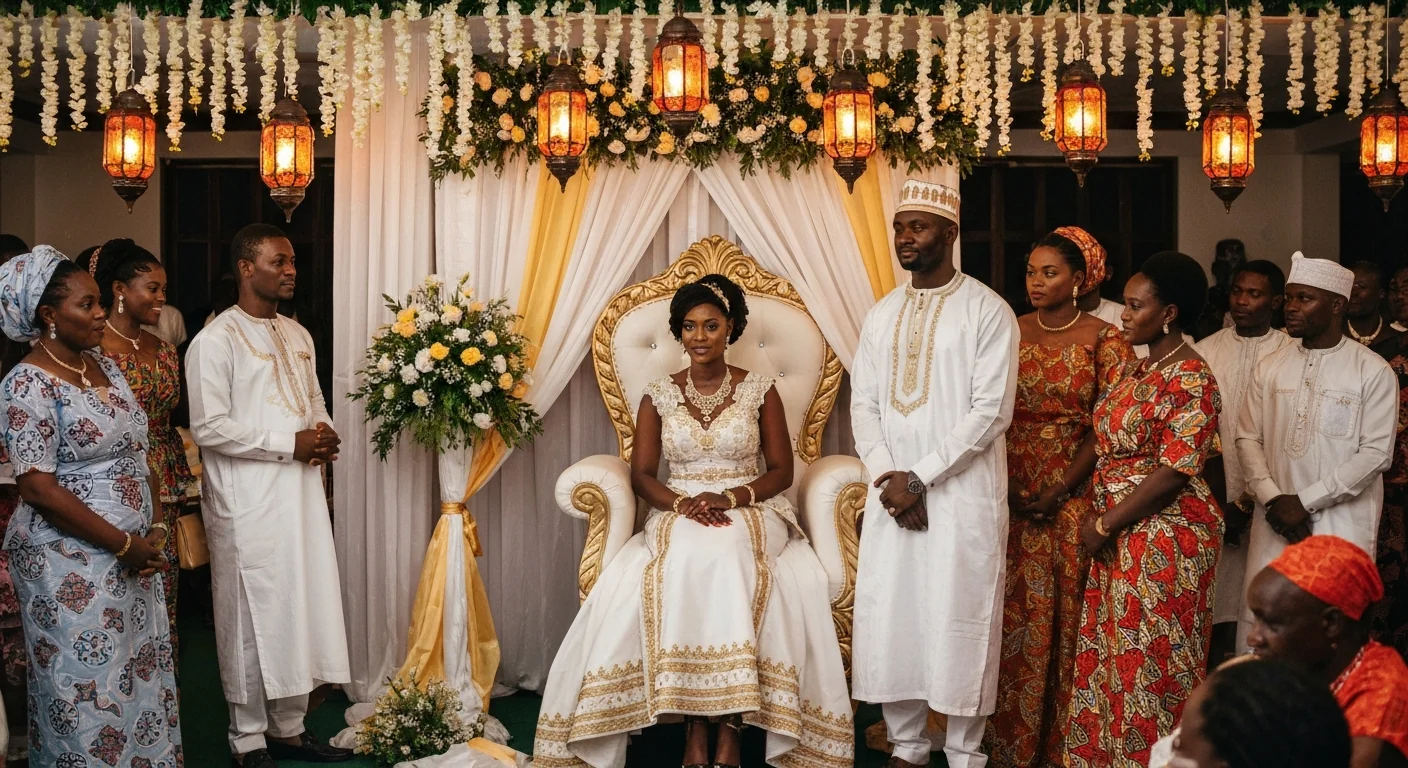
- Traditional: A white or brightly coloured dress, often with a matching headwrap. The bride may wear multiple outfits across the different stages of the wedding day — a traditional outfit for the morning ceremonies, a white gown for the church, and a kitenge or kanga outfit for the evening reception.
- Modern: Western-style white wedding gowns are now standard for the church ceremony, with traditional elements incorporated through accessories, fabrics, or the reception outfit.
Groom
- Traditional: A suit or formal attire, often paired with a kanzu (long white robe) for certain stages of the ceremony.
- Modern: Standard suits or tuxedos for the church and reception, with traditional elements for the traditional ceremony at the bride’s home.
Guests
Guests are expected to dress formally. Women often wear matching kitenge or kanga outfits coordinated by the bridal party or wedding committee. Men wear suits or smart casual attire.
Haya Wedding Food and Drink
Food is central to every Haya celebration, and a wedding is the most elaborate feast a family will host.
Traditional Dishes
- Ebitoke (matoke) — Steamed green bananas, the staple food of the Haya. Served mashed or in large chunks, often with a meat or bean stew. This is the most culturally significant dish at a Haya wedding — a celebration without ebitoke is unthinkable.
- Enyama (meat stew) — Beef or goat cooked in a rich, slow-simmered stew, served over ebitoke.
- Engoko (chicken) — Chicken stewed or grilled, reserved for honoured guests and the bridal party.
- Enyama y’ente (roast beef) — Roasted or grilled beef, often from a cow slaughtered specifically for the wedding.
- Ebinyama (grilled meat) — Skewered or roasted meat served as part of the feast.
- Ekijungu (pumpkin) — Cooked pumpkin, a traditional accompaniment.
- Obunyonza (groundnut sauce) — A rich peanut-based sauce served over greens or plantains.
- Fresh fruits — Mangoes, pineapples, and passion fruit from the region’s abundant orchards.
Lubisi (Banana Beer)
Lubisi is the Haya equivalent of the Chagga’s mbege — a traditional banana beer that is brewed from ripe bananas and serves as the essential ceremonial drink. It is served at every stage of the wedding process, from the initial approach to the post-wedding celebrations.
Brewing lubisi for a wedding is a communal activity. Family members and neighbours come together in the days before the wedding to peel, cook, and ferment the bananas. The brewing process takes 3-5 days, and large quantities are prepared — a wedding can require hundreds of litres.
Modern Additions
Modern Haya wedding receptions typically supplement traditional food with:
- Pilau and biryani (now standard at most Tanzanian celebrations)
- Sodas, commercial beer, and wine
- A multi-tiered wedding cake
- Samosas, mishkaki, and other appetisers
The best Haya wedding menus honour tradition by featuring ebitoke and traditional stews prominently while also offering the modern dishes guests have come to expect.
The Role of Family in Haya Weddings
Family involvement in Haya weddings goes far beyond attendance. It is an active, essential, and organised undertaking.
The Groom’s Family
- The father leads the delegation and the bride price negotiations.
- The mother prepares to receive the bride and coordinates the groom’s side of the celebration.
- The paternal uncle (shengyezi) often serves as the chief negotiator and advisor to the groom during the marriage process.
- Extended family contributes financially and logistically. A Haya wedding is a family project — aunts, uncles, and cousins all have roles.
The Bride’s Family
- The father receives the bride price and gives the formal blessing for the marriage.
- The mother prepares the bride and assembles the echumbi (trousseau).
- The paternal aunt (shengyekazi) accompanies the bride to her new home and serves as her guide and confidante during the transition. This role is one of the most important in Haya wedding tradition.
- Extended family contributes to the trousseau, helps with food preparation, and participates in every stage of the ceremony.
The Wedding Committee
As with other Tanzanian communities, Haya couples typically form a kamati ya harusi (wedding committee) of friends and colleagues who help plan and fund the wedding. The committee meets regularly, collects contributions (michango), and coordinates logistics.
Modern Adaptations
Urban Haya Weddings
Haya couples living in Dar es Salaam, Mwanza, or other cities adapt traditions to fit urban life:
- Traditional ceremonies may be condensed — the okushaba, okujuganya, and okugamba might happen across one weekend rather than over several months.
- Cash equivalents replace cattle and lubisi where livestock and brewing are impractical.
- The church wedding and reception follow standard Tanzanian urban wedding formats, with traditional Haya elements woven in (speeches in Kihaya, ebitoke on the menu, traditional songs during the reception).
Diaspora Haya Weddings
Haya communities in East Africa, Europe, and North America maintain traditions through:
- Travelling to Kagera for the traditional ceremonies, particularly the bride price negotiation.
- Conducting simplified versions of traditional ceremonies in their country of residence, with elders joining via video call.
- Incorporating Haya cultural elements (language, food, music, attire) into an otherwise Western-format wedding.
- Using mobile money to send bride price payments to the family in Kagera.
Interfaith Marriages
When a Haya person marries outside their community (or outside their religion), the traditional ceremonies are typically still expected by the Haya family. Non-Haya partners who show respect and willingness to participate are warmly welcomed. The traditional ceremony honours the Haya family’s heritage, while the religious ceremony (church, mosque, or civil) honours the couple’s personal faith.
Frequently Asked Questions
Is the Haya bride price mandatory?
Culturally, yes — the bride price is a deeply embedded expectation in Haya families, and proceeding without it would cause significant tension. However, the amounts are negotiable, and many modern families set reasonable expectations. Having an honest conversation about finances early in the process is encouraged.
How much does a Haya wedding cost in total?
Including the bride price, traditional ceremony, church wedding, and reception, a Haya wedding in 2026 typically costs:
- Budget: TZS 5,000,000–10,000,000 (small guest list, community-supported, rural Kagera setting)
- Mid-range: TZS 10,000,000–25,000,000 (200-300 guests, urban or semi-urban setting)
- Premium: TZS 25,000,000–60,000,000+ (large guest list, Dar es Salaam or destination setting, full vendor lineup)
Can a non-Haya person participate in the traditional ceremonies?
Yes. The Haya are generally welcoming to outsiders who show respect for their customs. A non-Haya groom will be expected to go through the same process as a Haya groom — including the bride price negotiation and traditional ceremonies. Having a Haya family member guide you through the protocols is essential and expected.
What is the role of the shengyekazi (paternal aunt)?
The shengyekazi is one of the most important figures in a Haya wedding. She is the bride’s paternal aunt who:
- Accompanies the bride from her family home to the groom’s home
- Provides counsel and emotional support during the transition
- Stays with the bride for the first days in her new home
- Serves as a mediator between the bride and the groom’s family if any issues arise early in the marriage
This role is taken very seriously in Haya culture. If the bride’s paternal aunt is unavailable (due to distance or other circumstances), another trusted female elder from the father’s side may fill the role.
How long does the full Haya wedding process take?
From the initial okushaba (approach) to the wedding day, the process can take anywhere from two months to over a year. The timeline depends on the speed of negotiations, the availability of both families, church marriage preparation requirements, and financial readiness. Most urban couples aim for three to six months.
What language are the ceremonies conducted in?
Traditional ceremonies are conducted primarily in Kihaya (the Haya language), with some Swahili. Church ceremonies are in Swahili, sometimes with hymns or readings in Kihaya. Speeches at the reception may mix Kihaya, Swahili, and English depending on the audience. For weddings involving non-Kihaya speakers, key moments are often translated.
Plan Every Stage of Your Haya Wedding
From traditional ceremonies in Kagera to your reception in the city, Harusi Hub helps you manage guest lists, track your budget, and keep every detail organised across multiple events.
Start Planning on Harusi Hub