Chagga Wedding Traditions: Dowry, Ceremonies & Modern Customs
A deep guide to Chagga wedding traditions from the Kilimanjaro region — dowry practices, engagement ceremonies, the role of elders, mbege brewing, blessings, and modern adaptations.
Chagga Wedding Traditions: Dowry, Ceremonies & Modern Customs
The Chagga people of the Kilimanjaro region are one of Tanzania’s most prominent ethnic groups — known for their entrepreneurial spirit, strong educational tradition, and deeply rooted marriage customs that have survived centuries of change. If you are marrying into a Chagga family or are a Chagga yourself, understanding these traditions is essential for a wedding that honours your heritage.
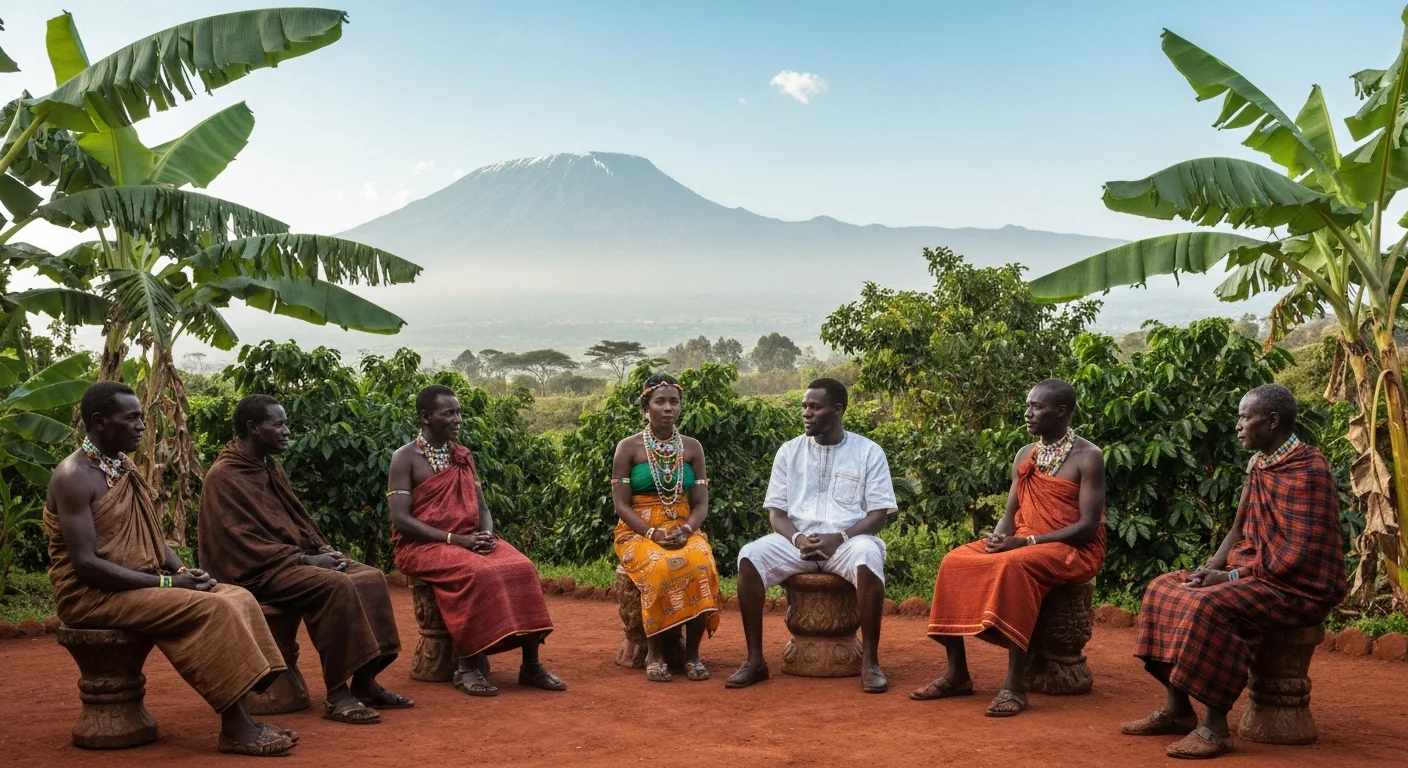
The Chagga (also spelled Chaga) are a Bantu-speaking people who live primarily on the fertile slopes of Mount Kilimanjaro in northern Tanzania. With a population of approximately two million, they are one of the country’s largest and most influential ethnic groups. Their wedding traditions reflect their agricultural heritage, their community-centred values, and their ability to adapt customs across generations without losing their essence.
This guide covers the full arc of Chagga marriage — from the first enquiry to the final blessings — and how modern Chagga couples navigate these traditions today.
The Chagga Marriage Process: An Overview
A traditional Chagga marriage is not a single event but a series of stages, each with its own purpose, participants, and protocols. The full process can take months and involves both families extensively.
The stages, in their traditional sequence, are:
- Kisha mshare (Enquiry and investigation) — The groom’s family investigates the bride’s family background.
- Mshanga (Engagement/courtship declaration) — Formal declaration of intent.
- Msumba/Mahali (Dowry negotiation and payment) — The bride price is agreed and delivered.
- Unyai (Pre-wedding preparation) — Preparation of the bride, including seclusion and counsel.
- Siku ya harusi (Wedding day) — The main ceremony and celebration.
- Ushanga/Blessing ceremonies — Post-wedding blessings by elders and family.
Not every modern Chagga couple follows all six stages, but understanding the full sequence helps you decide which elements to include and how to honour your family’s expectations.
Stage 1: Kisha Mshare — The Investigation
Before any formal approach is made, the groom’s family conducts a thorough background investigation of the bride and her family. This is kisha mshare — “breaking the bamboo” or “opening the path.”
What Happens
The groom’s parents, often through a trusted intermediary or elder, quietly gather information about:
- The bride’s family reputation and standing in the community
- Family health history (particularly hereditary conditions)
- The bride’s character, education, and upbringing
- Any family conflicts, debts, or social issues
- Whether the family lineage has any connection to the groom’s family (to avoid consanguinity)
This stage is conducted discreetly. The bride’s family may not even be aware it is happening. It is a deeply practical step rooted in the Chagga belief that marriage joins two families permanently, and both should enter the union with full knowledge.
Modern Adaptations
Today, this investigation is often informal — the groom’s parents may already know the bride’s family through church, business, or social connections. In diaspora settings, the “investigation” may involve phone calls to relatives in Moshi or Kilimanjaro and social media research. The underlying principle — know who you are joining your family with — remains relevant.
Stage 2: Mshanga — The Formal Declaration
Once the investigation is satisfactory, the groom’s family formally approaches the bride’s family through mshanga — the official declaration of interest.
What Happens
- The groom’s father (or a senior male relative) sends wajumbe (emissaries/delegates) to the bride’s home.
- The delegates bring a small, symbolic gift — traditionally a gourd of mbege (banana beer) or a bundle of bananas. Today, this is often accompanied by sodas, sugar, or other provisions.
- The delegates do not immediately state their purpose. Instead, they engage in social conversation, getting to know the family. Eventually, they reveal that a young man from their family is interested in their daughter.
- The bride’s family does not give an immediate answer. They ask for time to consult, investigate the groom’s family in return, and discuss among themselves.
The Response
After a period (typically one to four weeks), the bride’s family sends word of their decision:
- If the answer is yes, they invite the groom’s family back for further discussions (the dowry negotiation stage).
- If the answer is no, the decision is communicated respectfully and the matter is closed. Traditionally, a refusal was delivered by returning the gift gourd empty.
Modern Adaptations
In many modern Chagga families, the mshanga is coordinated via phone and WhatsApp before the in-person visit, reducing the element of surprise. Some couples who have been dating for years arrange the mshanga as a formality — the families already know each other. But the in-person visit and the ritual exchange of gifts remain important cultural markers.
Stage 3: Msumba/Mahali — Dowry Negotiation and Payment
The dowry stage is the centrepiece of the Chagga marriage process. Msumba (sometimes called mahali in Swahili) is the formal bride price negotiation and payment.
Traditional Bride Price
Historically, the Chagga bride price consisted of:
- Cattle — The most significant component. A typical dowry included one to three cows, with the number depending on the bride’s family status, education, and the groom’s family wealth.
- Goats — One to several goats, presented alongside the cattle.
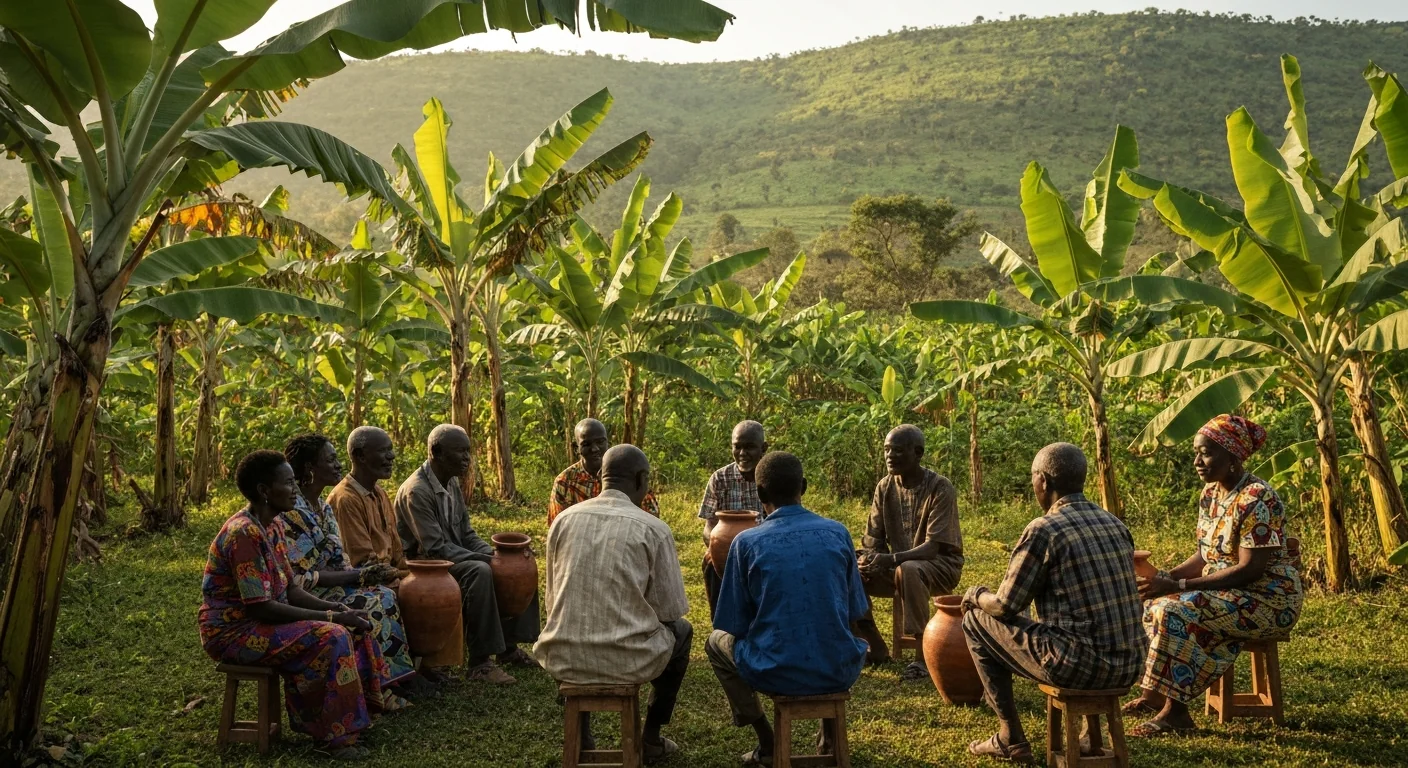
- Mbege (banana beer) — Large quantities of mbege, the traditional Chagga alcoholic beverage brewed from ripe bananas and sprouted millet. Mbege is more than a drink in Chagga culture — it is a symbol of hospitality, community, and celebration.
- Other provisions — Sugar, tea, cloth, and household items for the bride’s mother and family.
The Negotiation Process
The negotiation is a formal, structured event:
- The groom’s family delegation (led by a senior elder or respected relative) arrives at the bride’s home.
- The bride’s family presents their expectations — the list of items and livestock required.
- The groom’s family responds. Negotiation follows, with back-and-forth discussion that is formal but often includes humour and warmth.
- An agreement is reached. The groom’s family may deliver the full dowry immediately or agree to a payment schedule.
Modern Dowry Practices
The Chagga dowry has evolved significantly in modern times:
- Cash equivalents are now widely accepted. A cow may be valued at TZS 500,000–1,500,000, and cash payment in lieu of livestock is common, especially for urban families.
- Reduced amounts are becoming more common. Many educated and urban Chagga families set modest bride price expectations, recognising that excessive demands place unreasonable financial pressure on young couples.
- The bride’s education premium — It was traditionally believed that a bride with higher education warranted a higher bride price (reflecting her family’s investment). This practice persists in some families but is increasingly criticised and declining.
- Symbolic payments — Some progressive families agree on a symbolic amount (e.g., one goat and one bunch of bananas) to honour the tradition without the financial burden.
Regardless of the amount, the negotiation process itself — the gathering of families, the formal exchange, the shared meal — remains culturally important. Even families that agree on modest amounts value the ritual.
Typical Modern Chagga Dowry (2026)
| Item | Traditional | Modern Equivalent (TZS) |
|---|---|---|
| 1-3 cattle | Live animals | 500,000 – 3,000,000 (cash equivalent) |
| 1-3 goats | Live animals | 80,000 – 300,000 (cash equivalent) |
| Mbege (banana beer) | Multiple gourds | 100,000 – 500,000 (purchase or brewing costs) |
| Sugar, tea, provisions | Specific quantities | 100,000 – 300,000 |
| Cloth/kitenge for bride’s mother | Quality fabric | 50,000 – 200,000 |
| Cash gifts for elders | Envelopes | 100,000 – 500,000 |
| Total range | TZS 1,000,000 – 5,000,000 |
These are estimates — actual amounts vary significantly by family.
The Role of Mbege (Banana Beer)
Mbege deserves special attention in any guide to Chagga weddings because it is not simply a beverage — it is a cultural institution.
What Is Mbege?
Mbege is a traditional alcoholic drink brewed from ripe bananas (ndizi mbivu) and sprouted finger millet (ulezi). The brewing process takes several days:
- Ripe bananas are cooked and mashed into a thick paste.
- Finger millet is sprouted, dried, and ground into flour.
- The banana paste is mixed with water and the millet flour.
- The mixture ferments for 2-4 days in large clay pots or plastic containers.
- The resulting drink is slightly sour, mildly alcoholic, and thick in texture.
Mbege in Chagga Weddings
Mbege appears at virtually every stage of the Chagga marriage process:
- Mshanga — A gourd of mbege is brought as the opening gift.
- Dowry negotiations — Mbege is served throughout the discussions. It is both a refreshment and a symbol of good faith.
- Wedding celebrations — Mbege is served alongside other drinks. In rural Kilimanjaro, it remains the primary celebratory drink.
- Blessings — Elders may use mbege in blessing rituals, sprinkling it as a libation.
Modern Mbege
In urban settings and diaspora communities where brewing mbege is impractical, it is sometimes replaced by commercial banana wine or other beverages. However, for families in the Kilimanjaro region, freshly brewed mbege remains non-negotiable at weddings. Some families hire experienced brewers to prepare large quantities for the celebration.
Stage 4: Unyai — Bridal Preparation
Unyai is the traditional Chagga practice of preparing the bride for married life. Historically, this was a period of seclusion and instruction.
Traditional Unyai
In its traditional form:
- The bride entered a period of seclusion at her family home, typically lasting one to three months before the wedding.
- During seclusion, the bride was fed special foods (particularly fatty, protein-rich foods) to gain weight — plumpness was considered a sign of health and readiness for marriage.
- Older women (especially the bride’s aunts and grandmother) provided counsel about married life, household management, cooking, and the marital relationship.
- The bride’s skin was treated with traditional oils and butter to make it soft and glowing.
- The bride learned specific domestic skills valued by the Chagga community.
Modern Adaptations
Full seclusion is rarely practised today. Modern adaptations include:
- A bridal shower or kitchen party — A celebratory gathering where female relatives and friends offer advice, gifts, and well-wishes. This has become the urban equivalent of traditional counsel.
- Abbreviated counsel — A trusted aunt or older relative may spend a few days with the bride before the wedding, offering private guidance.
- Skin and beauty preparation — Modern beauty treatments have replaced traditional oils, but the principle of preparing the bride to look and feel her best on the wedding day remains.
Stage 5: The Wedding Day
The Chagga wedding day traditionally centred on the transfer of the bride from her family’s home to the groom’s family’s home, accompanied by rituals, blessings, and celebration.
The Traditional Ceremony
In its traditional form:
- The groom’s family delegation arrives at the bride’s home, often singing and celebrating.
- Elders from both families offer blessings and prayers. This is one of the most sacred parts of the ceremony. Elders invoke the ancestors and ask for fertility, prosperity, and harmony in the marriage.
- A goat or cow may be slaughtered for the celebration meal. Specific parts of the animal (e.g., the shoulder or ribs) are given to specific family members according to Chagga custom.
- The bride is formally handed over to the groom’s family, accompanied by her maternal aunt or a designated female relative who serves as her companion and guide during the transition.
- The bride’s family provides her with household items, utensils, and bedding — her “starting kit” for her new home.
- Celebrations continue with food, mbege, singing, and dancing.
The Role of Elders
Elders hold a position of profound authority in Chagga weddings. Their role includes:
- Investigating both families before the marriage
- Negotiating the bride price
- Blessing the couple — this is not a ceremonial afterthought; the elders’ blessing is considered essential for a successful marriage
- Mediating any disagreements between the families
- Advising the couple on marriage and community responsibility
Modern Chagga Weddings
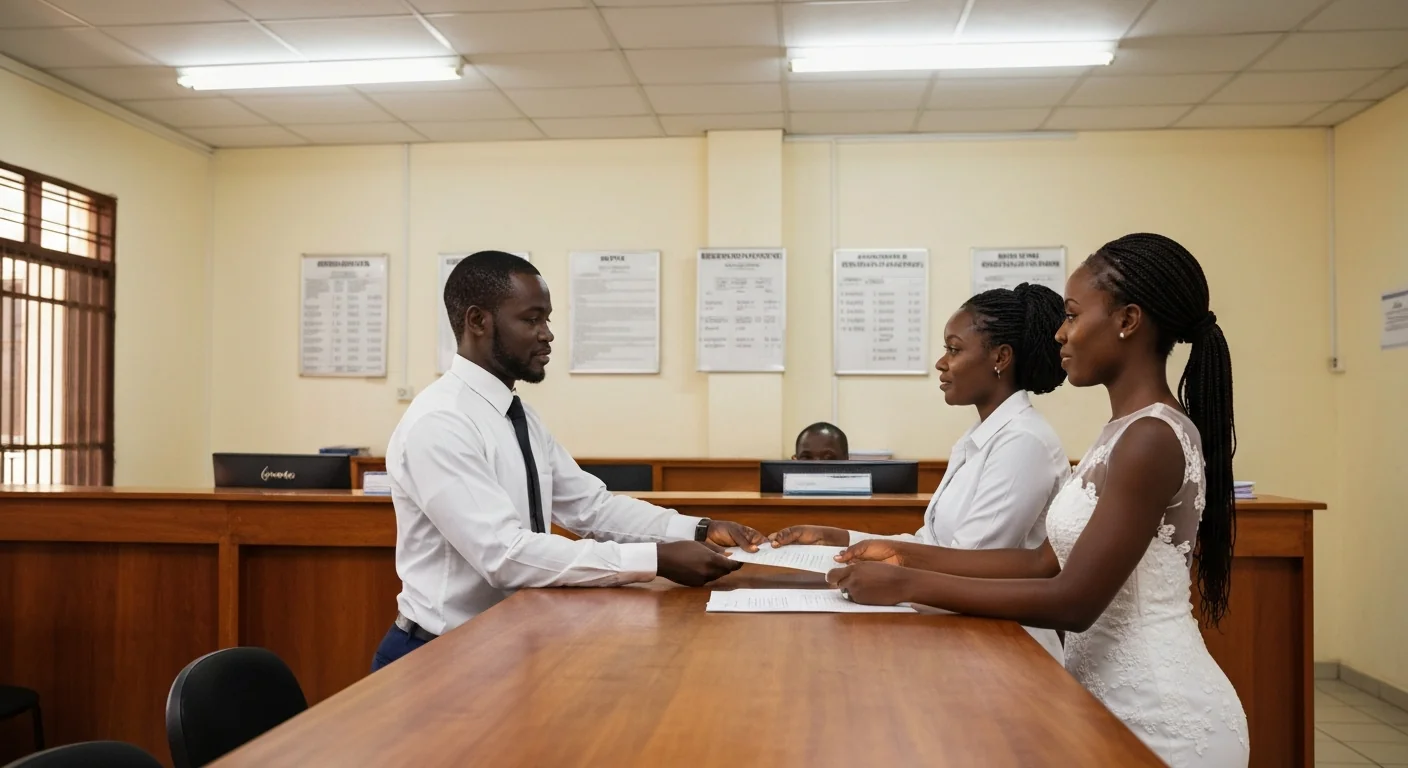
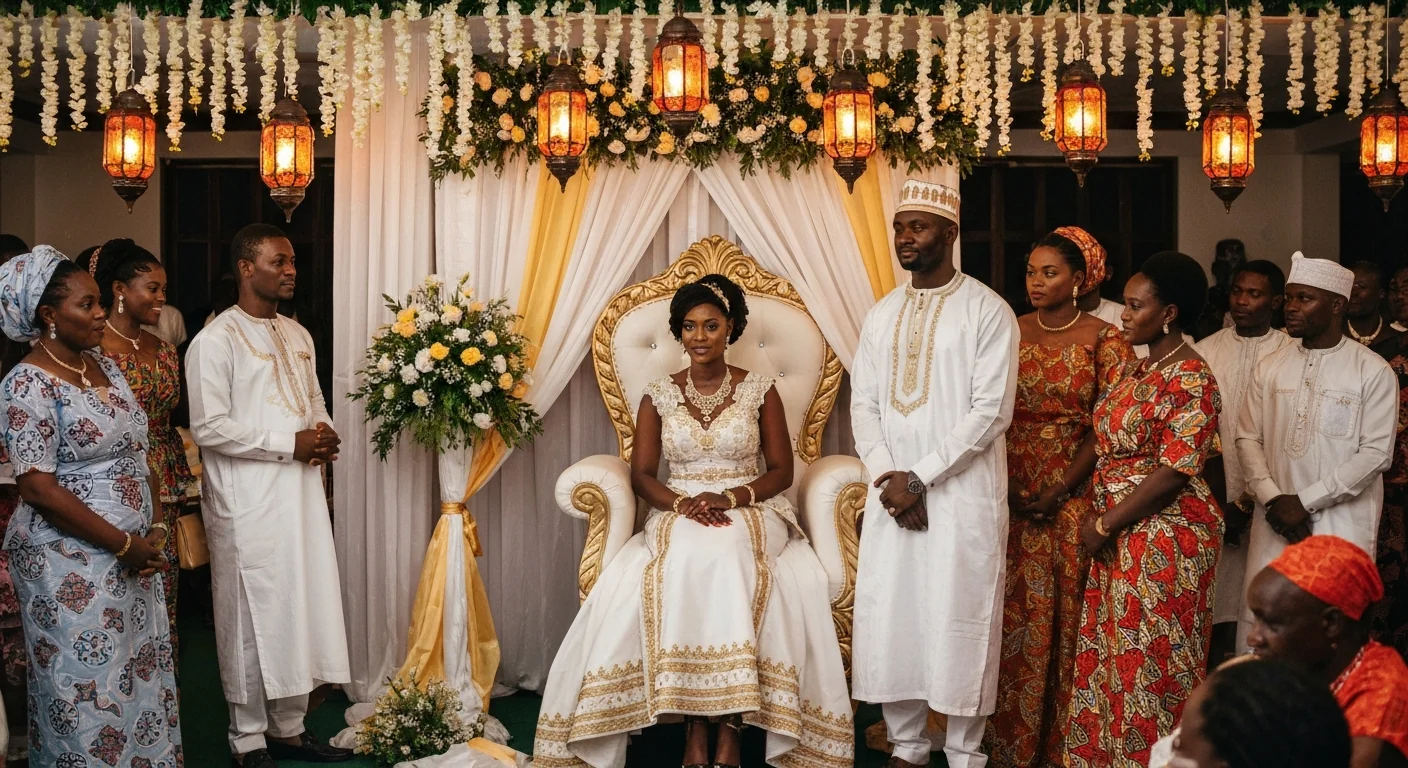
Today, most Chagga couples combine traditional elements with a church or civil ceremony and a modern reception:
- The traditional ceremony (dowry, blessings, family gathering) is held at the bride’s family home in Kilimanjaro, often a few weeks or months before the church wedding.
- The church wedding takes place in a church (Catholic and Lutheran churches are most common among the Chagga) in Moshi, Arusha, or Dar es Salaam.
- The reception follows the church ceremony and is a modern celebration with professional catering, photography, entertainment, and décor.
The result is a two-or-three-event wedding that honours tradition while embracing modern celebration styles.
Stage 6: Post-Wedding Blessings
After the wedding, the couple may receive additional blessings from extended family and community elders. In traditional Chagga society, the groom’s family hosted a meal for the neighbourhood, introducing the new bride and solidifying the union within the broader community.
Modern equivalents include post-wedding family gatherings, church thanksgiving services, and visits to elderly relatives who could not attend the wedding.
Chagga Wedding Food
Food at a Chagga wedding reflects the agricultural abundance of the Kilimanjaro slopes.
Traditional Dishes
- Machalari (plantain and meat stew) — The quintessential Chagga dish. Plantains (ndizi) cooked with beef or goat meat in a rich stew.
- Kitawa (banana porridge) — A thick porridge made from cooking bananas.
- Roast goat/beef — The centrepiece of any celebratory meal.
- Mbege — Served throughout all stages of the celebration.
- Kisusio — A traditional Chagga soup or gravy served with meat.
Modern Wedding Menus
Modern Chagga wedding receptions in urban settings often feature a mix of traditional Kilimanjaro dishes and Tanzanian/international cuisine — pilau, biryani, grilled meats, salads, and a Western-style wedding cake. Many families ensure that at least one or two traditional dishes are included to maintain the cultural connection.
Chagga Diaspora: Maintaining Traditions Abroad
The Chagga are one of Tanzania’s most internationally mobile communities, with significant populations in Dar es Salaam, Nairobi, the United States, the United Kingdom, and Europe. Diaspora Chagga face unique challenges in maintaining wedding traditions.
Common Approaches
- Traveling home — Many diaspora Chagga travel to Kilimanjaro for the traditional ceremony, even if the church wedding and reception are held elsewhere. This is the most culturally complete approach but can be logistically complex and expensive.
- Hosting a modified ceremony abroad — Some families conduct a simplified version of the traditional ceremonies in their country of residence, with local Chagga elders or community leaders standing in for family members in Tanzania. The dowry negotiation may happen via video call.
- Splitting events — The traditional ceremony is held in Kilimanjaro during a family visit, and the church wedding and reception are held in the couple’s country of residence weeks or months later.
- Symbolic elements — Some diaspora couples include Chagga elements (mbege, traditional blessings from a visiting elder, Chagga songs) in their reception programme, even if the full traditional ceremony is not held separately.
The Role of Technology
Video calls, mobile money transfers (M-Pesa), and social media have made it significantly easier for diaspora Chagga to participate in traditional ceremonies remotely. It is now common for:
- Dowry negotiations to happen with family members joining via WhatsApp video
- Mbege and provisions to be purchased remotely using mobile money and delivered by relatives
- Ceremonies to be live-streamed for family members abroad
- Wedding planning to be coordinated through family WhatsApp groups
Frequently Asked Questions
Is the Chagga bride price negotiable?
Yes. While there are cultural expectations, the actual amount is always the result of negotiation between the two families. Modern families, especially urban and educated ones, increasingly set reasonable amounts. The negotiation process is as important as the outcome — it demonstrates mutual respect and builds the relationship between the families.
What if the groom cannot afford the full dowry?
Chagga families generally allow flexibility. The dowry can be paid in instalments, and many families accept partial payment with a good-faith agreement that the remainder will follow. The key is demonstrating commitment and respect. A groom who is honest about his financial situation and shows good character is valued over one who makes promises he cannot keep.
Do modern Chagga women still go through unyai (seclusion)?
Full seclusion is very rare today. Most modern Chagga brides receive abbreviated counsel from female relatives and participate in a bridal shower or kitchen party instead. The underlying purpose — preparing the bride for married life with wisdom from experienced women — is maintained in a form that fits contemporary life.
Can a non-Chagga person marry into a Chagga family?
Absolutely. Inter-ethnic and international marriages are common among the Chagga. Non-Chagga partners are generally welcomed warmly, especially if they show willingness to participate in and respect Chagga traditions. The groom’s family (regardless of whether the groom or bride is Chagga) is expected to fulfil the bride price requirements of the Chagga family’s customs.
What role does the church play in Chagga weddings?
The vast majority of Chagga are Christian (primarily Catholic and Lutheran, reflecting the historical missionary presence in Kilimanjaro). For most Chagga families, a church wedding is essential and complements the traditional ceremony. The church wedding provides the religious blessing, while the traditional ceremony provides the cultural and family blessing. Most Chagga couples hold both.
How long does the full Chagga wedding process take?
From the initial investigation to the final wedding celebration, the full process can take three months to a year. Urban couples with established family relationships may compress this to six to eight weeks. Diaspora couples who need to travel to Tanzania often spread events across one or two family visits over several months.
Plan Your Chagga Wedding With Ease
Coordinate between traditional ceremonies in Kilimanjaro and your church wedding anywhere in the world. Harusi Hub helps you manage guest lists, budgets, and planning across multiple events.
Start Planning on Harusi Hub