Ethiopian Wedding Traditions: Telosh, Mels & Orthodox Ceremonies
A comprehensive guide to Ethiopian wedding traditions — from the telosh engagement ceremony and shimgilina elder negotiations to the mels wedding feast, Orthodox Christian rites, Muslim ceremonies, traditional attire, and modern diaspora adaptations.
Ethiopian Wedding Traditions: Telosh, Mels & Orthodox Ceremonies
Ethiopian weddings are among the most vibrant, deeply ritualized, and emotionally powerful celebrations in Africa. They are not a single event but a weeks-long journey of negotiations, blessings, feasts, and ceremonies that weave together ancient Orthodox Christian traditions, centuries-old cultural practices, and the unmistakable joy of Ethiopian hospitality. Whether you are Ethiopian, marrying into an Ethiopian family, or simply fascinated by one of the world’s oldest continuous cultures, this guide will take you through every stage.
Ethiopia stands apart in Africa — and in the world. It is the only African country never colonized, home to one of the oldest Christian traditions on earth, and a nation of over 80 ethnic groups, each with their own customs. Ethiopian wedding traditions reflect all of this: they are ancient, diverse, and deeply rooted in community, faith, and family.
While practices vary between ethnic groups (Amhara, Oromo, Tigray, Gurage, and others), between Christian and Muslim families, and between urban Addis Ababa and rural regions, certain core traditions run through nearly all Ethiopian weddings. This guide focuses on those shared traditions while noting regional variations where they matter.
The Role of the Shimgilina: Elders and Mediators
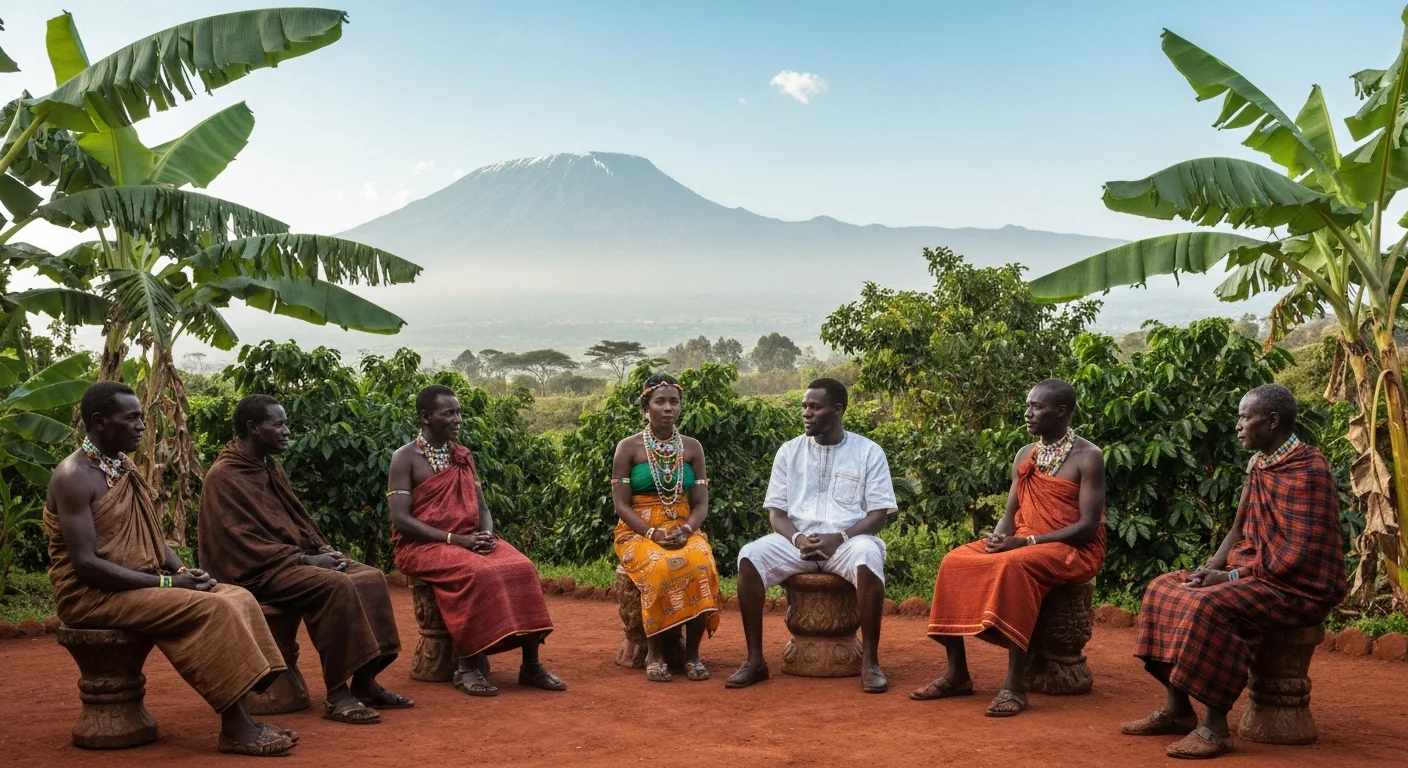
No discussion of Ethiopian wedding traditions can begin without understanding the shimgilina — the system of elder mediation that governs the entire marriage process. In Ethiopian culture, marriage is not simply arranged between two individuals. It is negotiated between two families, and the negotiation is conducted by respected elders (shimaginoch) who serve as intermediaries.
Who Are the Shimaginoch?
The shimaginoch (singular: shimagle) are respected community elders — typically men, though women elders play crucial advisory roles — chosen by the groom’s family to represent them in marriage negotiations. They are selected for their:
- Reputation: Unblemished standing in the community
- Eloquence: Ability to speak persuasively and diplomatically
- Connections: Ideally, they know both families or have relationships that can bridge any gaps
- Cultural knowledge: Deep understanding of marriage customs, protocols, and expectations
A team of 3 to 7 shimaginoch is typical. They serve as the groom’s family’s emissaries throughout the engagement process, from the first approach to the bride’s family through to the final agreement.
The Shimgilina Process
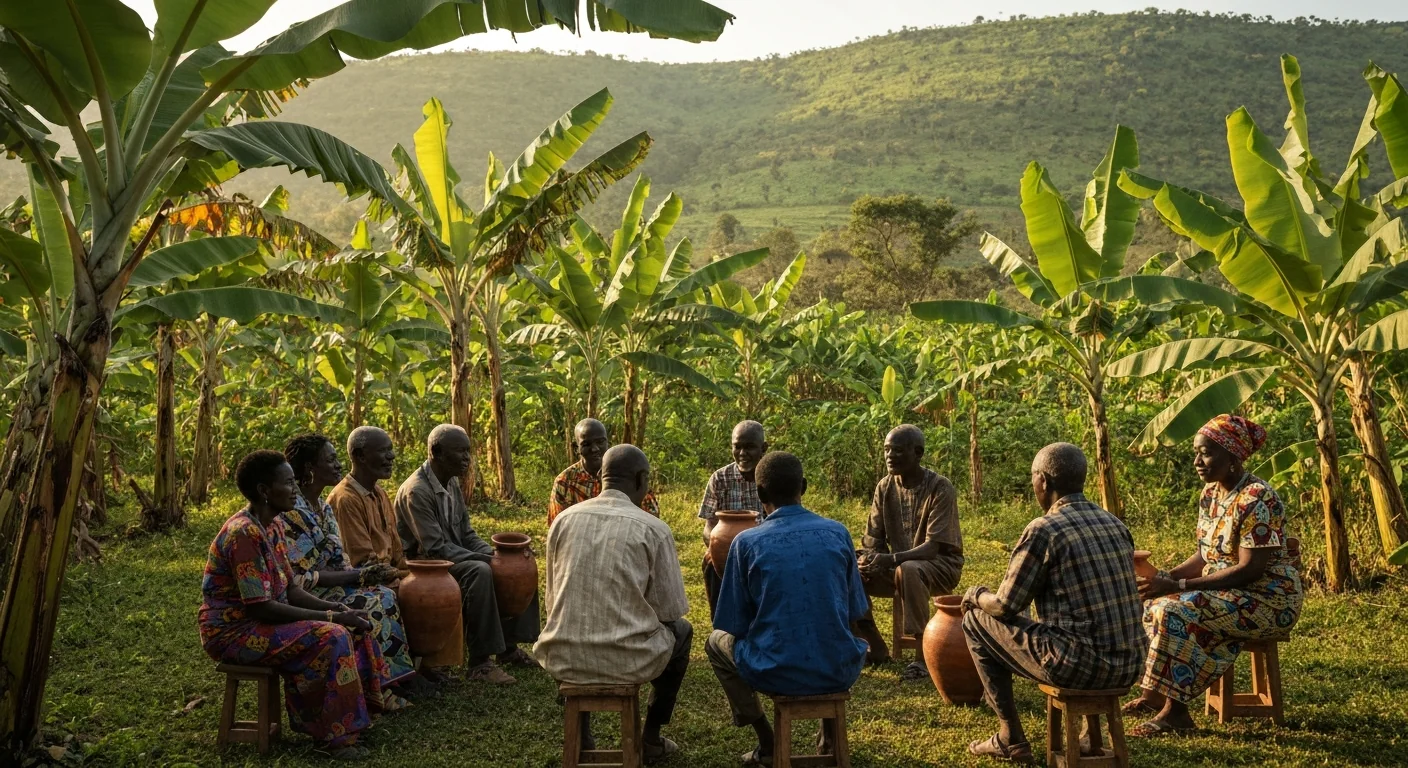
The shimaginoch visit the bride’s family on the groom’s behalf — often multiple times — to discuss the marriage, negotiate terms, and build the relationship between the two families. The first visit is exploratory: the shimaginoch gauge the bride’s family’s receptiveness. Subsequent visits involve more detailed discussions about the groom’s character, his family, his financial situation, and the terms of the marriage.
The bride’s family may accept, reject, or request time to investigate the groom’s background. If they are open, the process moves forward through several rounds of negotiation before the families formally agree.
This process can take weeks or even months. It is not designed for speed — it is designed for thoroughness. The shimaginoch ensure that both families enter the marriage with full knowledge, clear expectations, and mutual respect.
In the diaspora and among modern urban couples, the shimgilina process is sometimes condensed but rarely eliminated entirely. Even couples who have been dating for years and already decided to marry will go through a form of shimgilina as a sign of cultural respect.
Telosh: The Engagement Ceremony
The telosh (also spelled “tilosh” or referred to by different names in different ethnic groups) is the formal engagement ceremony — the moment when the two families publicly commit to the marriage. It follows the successful completion of the shimgilina negotiations and is the bridge between the negotiation phase and the wedding itself.
What Happens at the Telosh
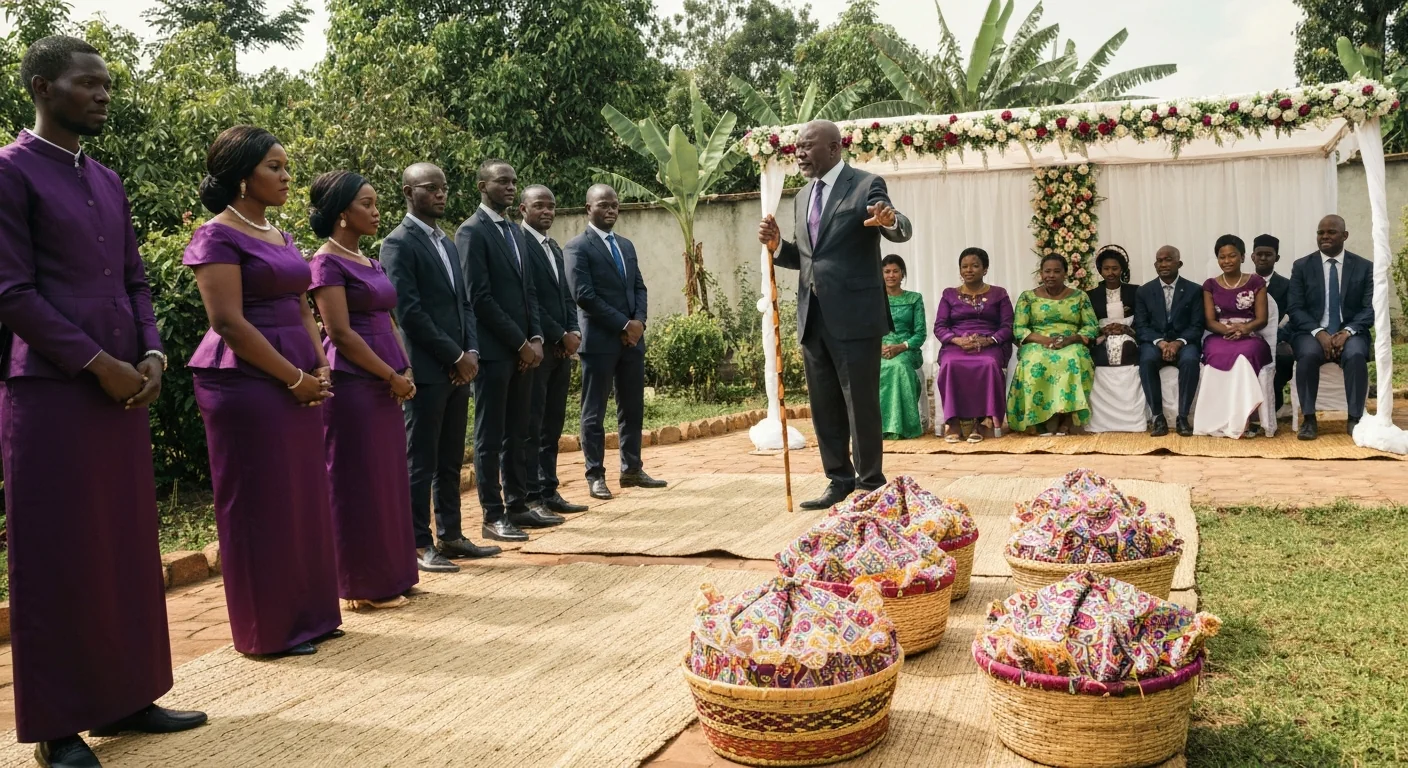
The telosh is typically held at the bride’s family home, though urban families in Addis Ababa increasingly hold it at a rented hall or restaurant. The groom’s family arrives with the shimaginoch and a delegation of family members, carrying gifts and refreshments.
Key elements of the telosh:
1. Formal announcement: The shimaginoch formally announce that the negotiations have been successful and that both families have agreed to the marriage. This is the public declaration.
2. Ring exchange: In many modern telosh ceremonies, the couple exchanges engagement rings. This is a relatively recent addition — traditional telosh did not include rings — but it has become nearly universal in urban Ethiopia.
3. Gift giving: The groom’s family presents gifts to the bride’s family. The specific gifts vary by region and ethnic group, but commonly include:
- Clothing and fabric for the bride and her mother
- Gold jewellery — earrings, necklaces, bracelets for the bride
- Drinks — tej (honey wine), tella (traditional beer), and modern beverages
- Food contributions — a sheep or goat for the celebration
- Cash or gift envelopes for specific family members
4. Blessings: Elders from both families bless the couple and the union. These blessings are spoken with gravity and sincerity — they are not formalities.
5. Date setting: The families may use the telosh to discuss and agree on the wedding date, or this may happen in subsequent meetings.
6. Feast: The telosh concludes with a meal shared by both families. Injera (the spongy flatbread that is the foundation of Ethiopian cuisine) is always served, along with a variety of wot (stews), meat dishes, and drinks.
Telosh Costs
Telosh costs vary widely depending on family expectations and scale:
| Item | Estimated Cost (ETB) |
|---|---|
| Gold jewellery for the bride | 30,000 – 200,000+ |
| Clothing and fabric | 10,000 – 50,000 |
| Drinks (tej, beer, soft drinks) | 5,000 – 20,000 |
| Food (sheep/goat, catering) | 10,000 – 50,000 |
| Venue (if rented) | 10,000 – 80,000 |
| Gift envelopes | 5,000 – 30,000 |
| Total | 70,000 – 430,000+ |
In Addis Ababa, telosh costs have risen significantly with inflation and rising expectations. Families should discuss budgets frankly — ideally through the shimaginoch — before the event.
Ethiopian Orthodox Christian Wedding Ceremonies
Ethiopia is one of the oldest Christian nations on earth. The Ethiopian Orthodox Tewahedo Church was established in the 4th century, and its wedding rites carry nearly two millennia of tradition. For Orthodox couples, the church ceremony is the spiritual heart of the marriage.
Ye’Menkuselinna Tseli (The Sacrament of Marriage / Crowning Ceremony)
The Orthodox wedding ceremony is called “ye’menkuselinna tseli” or simply “the crowning.” It is a deeply solemn, sacred rite that can last 2–4 hours, typically held in the morning.
Key elements of the Orthodox ceremony:
1. Preparation and procession: The bride and groom are prepared separately — often in different rooms of the church or in the church compound. They are escorted to the church entrance by their respective best men (mizane) and maids of honour.
2. Entrance: The couple enters the church together, led by the priest. The congregation stands. Hymns are sung — the liturgical chanting of the Ethiopian Orthodox Church is among the most ancient and haunting in Christendom, using the Ge’ez language that dates back over 2,000 years.
3. Readings and prayers: Scripture readings in Ge’ez and Amharic, prayers for the couple, and a homily from the priest on the meaning of marriage. The readings are drawn from the Gospels, the Epistles of Paul, and the Old Testament.
4. The crowning (Ye’Menkuselinna): The climax of the ceremony. The priest places decorative crowns or floral wreaths on the heads of both the bride and groom. The crowns symbolize the glory and honour of the marriage covenant — the couple are crowned as the king and queen of their own household. This moment is profoundly meaningful and is considered the point at which the marriage is spiritually sealed.
5. Exchange of rings: Rings are blessed by the priest and exchanged by the couple.
6. Communion: In the most traditional form of the Orthodox ceremony, the couple receives communion together — the first act of their married life. This is reserved for couples who are both baptized and confirmed in the Orthodox Church.
7. Blessings and pronouncement: The priest pronounces the couple married and delivers final blessings. The congregation erupts in ululation (ililta) — the high-pitched vocal celebration that is one of the most iconic sounds of Ethiopian joy.
The Significance of the Crowning
The crowning is the most distinctive element of the Ethiopian Orthodox wedding. In Orthodox theology, the crowns represent:
- Martyrdom: The couple’s willingness to sacrifice for each other, mirroring the sacrificial love of Christ
- Victory: The triumph of committed love over worldly temptation
- Royalty: The couple’s sovereignty over their household under God
Once crowned, the couple is expected to remain married for life. The Ethiopian Orthodox Church’s stance on divorce is extremely strict — church marriages (as opposed to civil marriages) are considered indissoluble. This is why many Orthodox couples historically chose civil marriage first and only pursued the church crowning ceremony after years of marriage, once they were confident in the permanence of the union. This practice, while less common among younger couples today, still exists.
Church Requirements
- Both parties must be baptized Orthodox Christians
- Pre-marital counselling through the parish (typically 1–3 months)
- Fasting before the ceremony (the couple may be required to fast — abstaining from food and water — until after communion)
- The ceremony must be officiated by an ordained priest
- Witnesses from both families must be present
Church Ceremony Costs
| Item | Estimated Cost (ETB) |
|---|---|
| Church booking fee | 5,000 – 30,000 |
| Priest’s blessing fee | 3,000 – 15,000 |
| Church choir (mezmur) | 5,000 – 25,000 |
| Crowns and ceremonial items | Often provided by the church |
| Church decor (flowers, fabric) | 10,000 – 50,000 |
| Total | 23,000 – 120,000 |
Muslim Ethiopian Wedding Traditions
Ethiopia has a significant Muslim population — roughly 34% of the country — concentrated in eastern and southern regions (Harar, Dire Dawa, Bale, Jimma) but also present throughout Addis Ababa and other cities. Muslim Ethiopian weddings blend Islamic requirements with Ethiopian cultural traditions.
The Nikah (Islamic Marriage Contract)
The nikah is the core religious ceremony, performed by an Islamic scholar (sheikh) or imam. It follows the same fundamental structure as nikah ceremonies worldwide:
- Mahr (bride price): The groom presents a mahr (dowry) to the bride — this is her legal right in Islam. The amount is agreed upon between the families, often with shimaginoch mediation. The mahr can be cash, gold, or property.
- Ijab and qubul (offer and acceptance): The groom offers the marriage, and the bride (or her representative, her wali) accepts
- Witnesses: At least two male Muslim witnesses must be present
- Fatiha: The opening chapter of the Quran is recited
Walima (Wedding Feast)
The walima — the celebratory feast following the nikah — is where Ethiopian cultural traditions come fully into play. Walima celebrations in Ethiopia feature:
- Injera and wot: The same Ethiopian feast that defines all celebrations in the country, though with halal preparation
- Music and dancing: Ethiopian music (both traditional and modern) features prominently, though some conservative families prefer nasheed (Islamic devotional songs) or qat chewing gatherings over mixed-gender dancing
- Henna (Mehendi): Many Muslim Ethiopian brides have elaborate henna designs applied to their hands and feet before the wedding — a tradition shared with Somali, Harari, and other Muslim communities in the Horn of Africa
- Separate gender celebrations: Some families hold separate gatherings for men and women, while others hold mixed celebrations depending on their level of conservatism
Regional Muslim Traditions
Harari weddings are particularly elaborate. The Harari people of Harar — one of Ethiopia’s smallest but most culturally distinctive ethnic groups — have a rich wedding tradition that includes multiple days of celebration, specific foods, and the famous Harari house (gey gar) as the traditional venue.
Oromo Muslim weddings in eastern Ethiopia incorporate both Islamic and Oromo cultural elements — including the Oromo tradition of the groom’s family sending messengers (jaarsummaa) to negotiate with the bride’s family, which parallels the Amhara shimgilina process.
The Mels: The Wedding Feast and Celebration
The mels is the grand wedding celebration — the reception that follows the church or nikah ceremony. It is, for most guests, the main event: a massive feast of food, drink, music, and dancing that can last from afternoon until well past midnight.
The Structure of the Mels
Guest arrival and seating: Guests are seated at long tables — often round tables in modern hotel settings — and served drinks on arrival. Guest counts at Ethiopian weddings are large. A “small” Ethiopian wedding is 200 guests; 500+ is common; 1,000+ is not unheard of for prominent families.
Grand entrance: The bride and groom arrive to ululation, cheering, and music. The entrance is a choreographed moment — the couple walks in together, often led by their wedding party, while the crowd celebrates.
Speeches and blessings: The MC (often a professional or a respected family friend) manages the program. Parents, siblings, and close friends deliver speeches. Elders offer blessings. The shimaginoch may speak.
The feast: Ethiopian wedding food is a production. The centrepiece is always injera — the large, spongy, slightly sour flatbread made from teff flour — topped with a variety of wot (stews):
- Doro wot: Chicken stew in berbere spice, often considered the queen of Ethiopian dishes — almost always present at a wedding
- Key wot: Spicy red beef stew
- Alicha wot: Mild, turmeric-based stew (for those who prefer less spice)
- Tibs: Sauteed meat (beef or lamb) with peppers and onions
- Kitfo: Minced raw or lightly cooked beef seasoned with mitmita and kibbeh — a delicacy served at upscale celebrations
- Shiro: Chickpea flour stew — the most common everyday dish, always included
- Gomen: Collard greens
- Various salads and sides
On fasting days (Wednesdays and Fridays, and during major Orthodox fasts), a fully vegan spread is served alongside or instead of the meat dishes. Fasting food (yetsom megib) is a distinct culinary tradition in its own right and is always beautifully prepared at weddings.
Drinks:
- Tej: Honey wine, the traditional Ethiopian celebration drink. Served in berele — distinctive round-bottomed glass flasks. Tej at a wedding is non-negotiable.
- Tella: Traditional home-brewed beer made from barley, wheat, or teff. Less common at urban weddings but still valued in rural celebrations.
- Beer: Commercial Ethiopian beers (St. George, Habesha, Dashen, Walia) are served alongside tej
- Soft drinks and water
- Coffee: Ethiopian coffee ceremony (buna) is often performed at the wedding — a nod to the country that gave coffee to the world
Music and dancing: This is where Ethiopian weddings reach their peak. The music builds through the evening, typically starting with softer, traditional songs and building to high-energy eskista performances.
Eskista: The Shoulder Dance
No Ethiopian wedding is complete without eskista — the iconic Ethiopian shoulder dance. Eskista involves rapid, rhythmic movements of the shoulders and upper chest, performed to traditional Ethiopian music. Both men and women dance, though the styles differ slightly. Guests take turns entering the dance floor to show their skills, and the best dancers receive roaring approval from the crowd.
Eskista is not something you can fake. It requires genuine skill and practice. Non-Ethiopian guests who attempt eskista at a wedding will earn affectionate encouragement — and the best way to honour the tradition is to try, even imperfectly.
Music at the Mels
Ethiopian wedding music typically features:
- Live musicians playing the masinko (single-stringed fiddle), krar (lyre), and kebero (drum)
- Azmari: Traditional Ethiopian singer-poets who compose improvised songs about the couple, their families, and the guests. Azmari performances are witty, often teasing, and deeply personal — a good azmari can move the room from laughter to tears in seconds
- Modern Ethiopian music: Artists like Teddy Afro, Aster Aweke, Mahmoud Ahmed, and newer pop and R&B artists provide the soundtrack for the modern portion of the celebration
- DJ or band: Many urban weddings in Addis Ababa feature a professional DJ or live band alongside traditional musicians
Mels Costs
| Item | Estimated Cost (ETB) |
|---|---|
| Venue hire | 50,000 – 500,000 |
| Catering (per person, 300–500 guests) | 500 – 2,000 per person |
| Drinks (tej, beer, soft drinks, water) | 30,000 – 200,000 |
| Music / DJ / Band | 20,000 – 150,000 |
| MC | 10,000 – 50,000 |
| Decor and flowers | 20,000 – 200,000 |
| Photography and videography | 20,000 – 150,000 |
| Wedding cake | 10,000 – 80,000 |
| Total mels budget | 310,000 – 2,330,000+ |
These figures reflect Addis Ababa pricing. Regional celebrations in Bahir Dar, Hawassa, Gondar, or Dire Dawa can be significantly less expensive.
Traditional Attire
Habesha Kemis
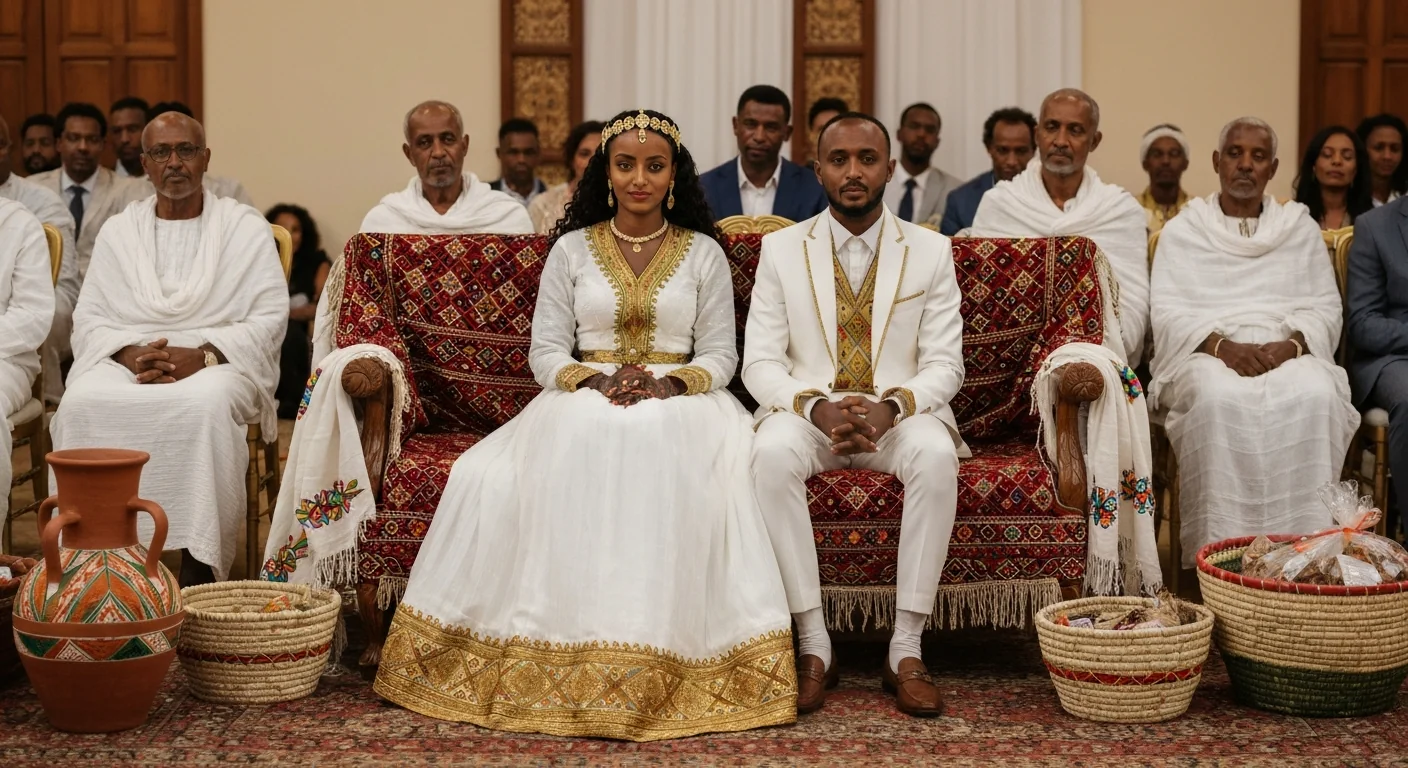
The habesha kemis is the traditional Ethiopian dress worn by the bride and female family members. It is a long, flowing white cotton dress with intricate, colourful embroidery (tibeb) along the borders — the hem, neckline, sleeves, and sometimes the entire front panel.
The embroidery patterns vary by region:
- Amhara patterns tend to be geometric and symmetrical, in rich colours (gold, green, red)
- Tigrayan embroidery often features cross motifs and more intricate threadwork
- Oromo styles may incorporate different colour combinations and broader patterns
- Gurage embroidery is known for its density and vibrant colouring
The bride’s habesha kemis is the most elaborate — often fully hand-embroidered, which can take weeks to produce. Costs range from ETB 15,000 – 100,000+ for a bridal-quality habesha kemis, depending on the complexity of the embroidery and the reputation of the tailor.
Netela (Shawl)
The netela is a thin, white cotton shawl with embroidered borders, draped over the shoulders or head. Both men and women wear the netela at formal occasions, including weddings. The bride’s netela matches her habesha kemis, creating a cohesive traditional look.
Groom’s Attire
Ethiopian grooms have several options:
- Traditional: A white shirt and trousers with a netela draped over one shoulder — the most classic option
- Modern suit with traditional touch: A Western-style suit paired with a netela or a traditional embroidered shirt underneath
- Full Western suit: Increasingly common in urban Addis Ababa, particularly for the church ceremony
Bridal Party
Bridesmaids often wear matching habesha kemis in coordinated colours or style, or matching modern dresses in Ethiopian-inspired colours (green, yellow, red — the Ethiopian flag colours — or jewel tones).
Key Cultural Practices and Symbolism
Coffee Ceremony (Buna)
The Ethiopian coffee ceremony is one of the country’s most beloved cultural practices, and it frequently appears at weddings. The ceremony involves:
- Roasting green coffee beans over charcoal
- Grinding the roasted beans by hand with a mortar and pestle
- Brewing the coffee in a jebena (traditional clay pot)
- Serving three rounds of coffee — abol (first), tona (second), and bereka (third, the blessing round)
At a wedding, the coffee ceremony may be performed by the bride or a female family member as a symbol of hospitality and the bride’s domestic skills. The fragrant smoke of the roasting beans, the incense (itan) that accompanies the ceremony, and the communal sharing of coffee create a sensory experience that grounds the celebration in Ethiopian identity.
Ululation (Ililta)
The high-pitched, wavering vocal sound made by women at moments of joy — the arrival of the bride, the pronouncement of marriage, the entrance to the reception. Ililta is the soundtrack of Ethiopian celebration. It requires no instrument, no amplification, and no rehearsal — just joy expressed through the voice.
Blessings from Elders (Mereqat)
Throughout the wedding process — from telosh to mels — elders from both families offer mereqat (blessings). These are spoken prayers and wishes for the couple’s future: fertility, prosperity, harmony, and faithfulness. The blessings are deeply personal and often bring the room to silence.
Breaking Bread Together
The act of the bride and groom feeding each other injera (gursha — a rolled piece of injera with wot) is a common wedding moment, symbolizing their commitment to nourish and care for each other.
Modern Adaptations
Urban Addis Ababa Weddings
Weddings in Addis Ababa have evolved significantly in the past two decades:
- Hotel venues have largely replaced home celebrations for the mels. The Sheraton Addis, Hyatt Regency, Capital Hotel, and Hilton are the most prestigious options, with ballrooms that can seat 500–1,500 guests.
- Wedding planners are now common in Addis, handling logistics that were traditionally managed by family committees
- Photography and videography have reached professional standards, with drone footage, cinematic edits, and same-day highlight reels
- Western elements — white wedding dresses, tiered cakes, first dances — are increasingly incorporated alongside traditional elements
- Dress changes: Many brides wear a habesha kemis for the ceremony and change into a white wedding gown (or vice versa) for the reception
- Save-the-dates and wedding websites are gaining traction among younger couples
Diaspora Weddings
The Ethiopian diaspora — particularly large communities in Washington D.C., Los Angeles, Dallas, London, Frankfurt, and Toronto — has developed its own wedding culture that bridges Ethiopian tradition with the host country’s norms.
Common diaspora adaptations:
- Multi-day celebrations: Friday night mels, Saturday church ceremony, Sunday brunch — stretching the celebration across a weekend
- Dual ceremonies: A civil or Christian ceremony in the host country followed by a traditional celebration in Ethiopia (or vice versa)
- Hybrid decor and attire: Combining Ethiopian colours and fabrics with Western floral arrangements and table settings
- Music mix: Ethiopian bands or DJs who play a mix of Ethiopian classics, modern Ethiopian pop, and Western music
- Cultural showcase: Diaspora weddings often include deliberate cultural elements — coffee ceremony, eskista, azmari — that serve as both celebration and cultural preservation, especially for second-generation guests who may be less familiar with the traditions
The Instagram Effect
Social media has raised expectations for Ethiopian weddings globally. Couples now reference Ethiopian wedding accounts on Instagram and TikTok for decor inspiration, attire ideas, and ceremony structures. This has led to more visually polished celebrations but also to increased budget pressure, particularly for diaspora families navigating the costs of celebrations in multiple countries.
Practical Planning Tips
Budgeting in Ethiopia
Ethiopia’s economy has experienced significant inflation in recent years, and wedding costs have risen accordingly. A few practical tips:
- Lock in vendor prices early. Inflation means prices quoted six months ago may not hold. Get written contracts with fixed pricing wherever possible.
- Budget in ETB and plan for currency fluctuation if you are paying from abroad. The Ethiopian birr has experienced significant devaluation — what seemed affordable six months ago may have shifted.
- Consider weekday events. Saturday is the standard wedding day, but Thursday or Friday ceremonies can reduce venue costs by 20–40%.
Guest List Realities
Ethiopian wedding guest lists are notoriously large. Cultural expectations mean that extended family, neighbours, colleagues, church community members, and even acquaintances of the parents may expect invitations. Setting boundaries is difficult but necessary:
- Have an honest conversation with both families about capacity and budget constraints
- The shimaginoch can be helpful in managing family expectations
- Consider a larger, more casual mels (open seating, buffet) rather than a formally seated dinner if your guest list is growing beyond your venue capacity
Working with Shimaginoch
Even if you and your partner have already decided to marry, the shimgilina process must be respected. Choose your shimaginoch carefully — they represent your family and set the tone for the relationship between the two families. Brief them on your preferences, timeline, and any sensitive topics that need careful handling.
Timing the Events
A typical Ethiopian wedding timeline:
- 3–6 months before: Shimgilina negotiations and telosh
- 2–3 months before: Church preparation, pre-marital counselling (Orthodox), venue and vendor bookings
- 1 month before: Invitations sent, final vendor confirmations, attire fittings
- Wedding week: Henna night (for Muslim brides), final preparations
- Wedding day: Church ceremony (morning), mels (afternoon/evening)
- Post-wedding: The bride’s family may host a “mahber” or small gathering to welcome the groom’s family
A Celebration Like No Other
Ethiopian weddings are not quiet, understated affairs. They are loud, joyful, communal celebrations that draw on thousands of years of cultural and spiritual tradition. The shimaginoch negotiate with the gravity of diplomats. The crowning ceremony carries the weight of centuries of faith. The tej flows freely. The eskista erupts. The ililta rings out. And through it all, two families — not just two people — come together.
Whether you are planning your own Ethiopian wedding, attending one for the first time, or simply learning about one of the world’s richest wedding traditions, the depth and beauty of these ceremonies are genuinely extraordinary. Honour the process, embrace the community, and prepare for a celebration you will never forget.
Planning an Ethiopian wedding?
Harusi Hub helps East African couples plan every detail — coordinate multiple events, track your budget, manage your guest list, and share everything through a beautiful wedding website.
Start Planning on Harusi Hub