Tanzanian Wedding Traditions: From Mahari to Modern Celebrations
A deep guide to Tanzanian wedding traditions — mahari negotiations, Swahili coastal customs, Islamic nikah, Christian ceremonies, traditional dances, food, and how modern couples adapt these practices.
Tanzanian Wedding Traditions: From Mahari to Modern Celebrations
Tanzania is home to more than 120 ethnic groups, each with wedding customs shaped by centuries of history, religion, and community values. Whether you are marrying into a Tanzanian family, returning from the diaspora to celebrate at home, or simply want to understand one of East Africa’s richest cultural tapestries, these traditions deserve more than a surface-level summary.
Tanzanian weddings are rarely a single event. They are a process — a series of ceremonies, negotiations, and celebrations that bind not just two people but two families and, often, two communities. This guide covers the major traditions you will encounter across Tanzania’s diverse cultural landscape, from the coastal Swahili communities of Dar es Salaam and Zanzibar to the highland customs of the Chagga and the lakeside traditions of the Haya.
Mahari: The Bride Price Tradition
Mahari is the Swahili term for bride price — the gifts, money, or livestock that the groom’s family presents to the bride’s family as part of the marriage agreement. It is practised across virtually all Tanzanian ethnic groups, though the form, amount, and significance vary enormously.
What Mahari Represents
Mahari is not a purchase. In Tanzanian culture, it serves several purposes:
- Respect and gratitude — It acknowledges the bride’s family for raising her and demonstrates that the groom values their daughter.
- Commitment — It signals that the groom is serious and financially capable of supporting a family.
- Family bonding — The negotiation process itself is a social event that builds relationships between the two families.
- Cultural identity — Participating in mahari connects couples to their community’s heritage.
How Mahari Works
The process typically follows these steps:
- Initial inquiry — The groom’s family sends emissaries (often elders or respected relatives) to the bride’s family to declare their intention.
- Family meetings — Both families meet, often multiple times, to discuss the marriage and begin mahari negotiations.
- The negotiation — The bride’s family states their expectations. The groom’s family responds. There is back-and-forth, often with humour and theatre. A neutral mediator may facilitate.
- Agreement — Both sides agree on the mahari terms.
- Payment — The groom’s family delivers the agreed-upon mahari, which may happen in full at once or in agreed instalments.
Mahari by Region and Ethnic Group
The form of mahari varies dramatically across Tanzania:
- Swahili coastal communities — Mahari is often monetary. In Dar es Salaam and Zanzibar, amounts range from TZS 500,000 to TZS 5,000,000+, though Islamic tradition encourages keeping the mahr (Islamic dowry from groom to bride) modest.
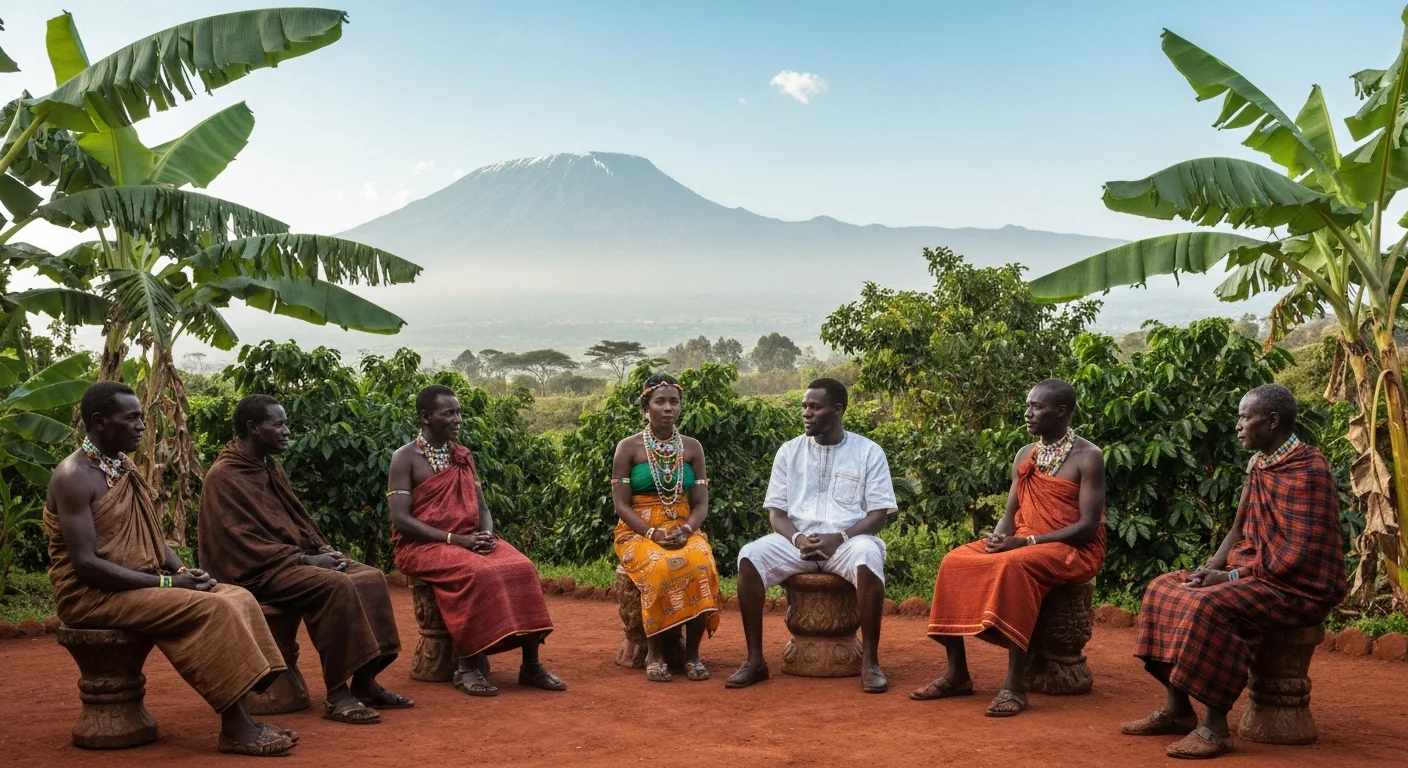
- Chagga (Kilimanjaro) — Traditionally involved cattle, goats, and banana beer (mbege). Today, monetary equivalents are common. See our Chagga wedding traditions guide for details.
- Sukuma (Mwanza/Shinyanga) — Cattle are central. A typical bride price may involve 10-30 cattle, worth TZS 5,000,000–20,000,000+.
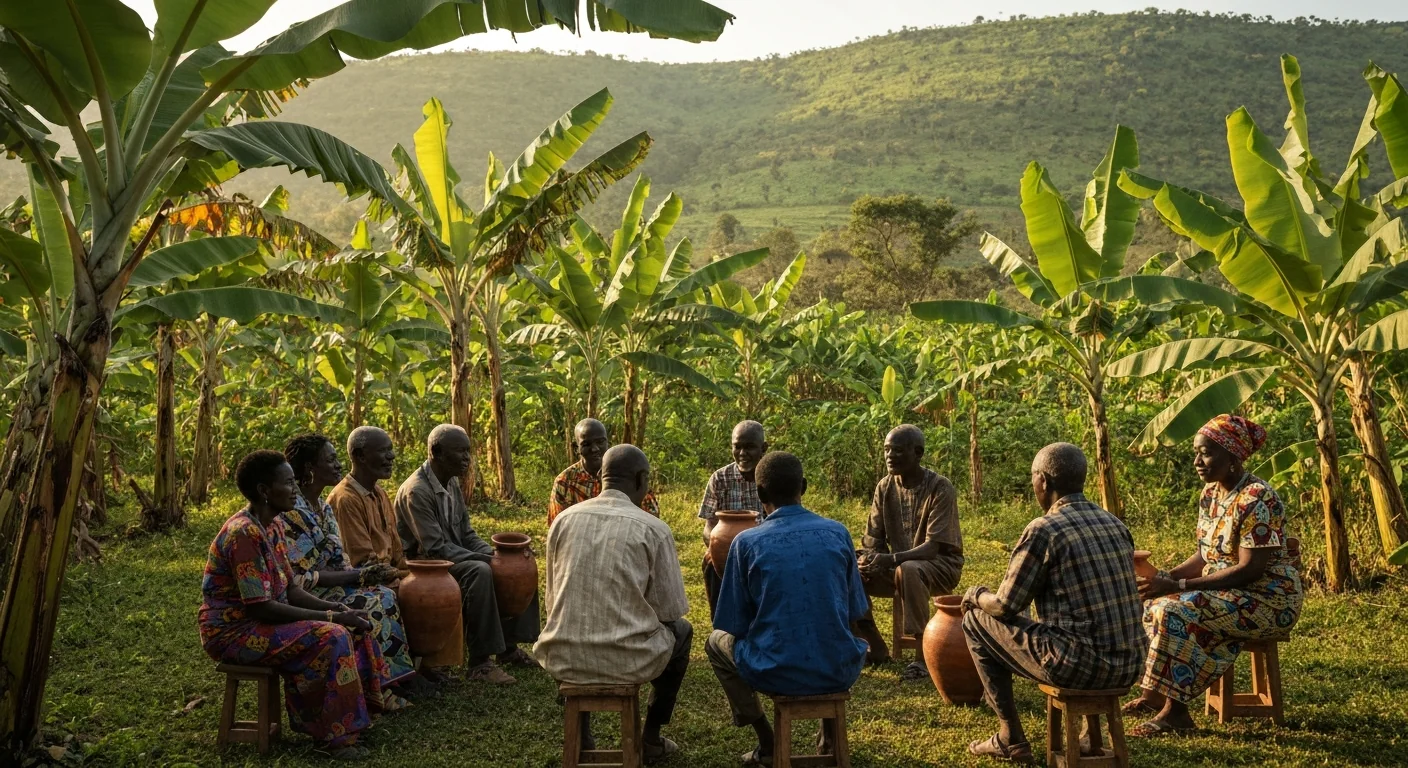
- Haya (Kagera) — Involve a combination of cash, banana beer (lubisi), and specific gift items. See our Haya wedding traditions guide.
- Maasai — Cattle are the primary currency. A Maasai bride price typically involves cattle negotiated between the families’ elders.
- Pare (Kilimanjaro/Tanga) — Traditionally included goats, local brew, and cash.
Modern Adaptations
Across Tanzania, mahari is evolving. Many urban families negotiate in cash rather than livestock. Some progressive families set modest amounts or waive mahari entirely, especially in educated, urban circles. However, the tradition remains deeply important to most Tanzanian families — even when the amounts are symbolic, the process of negotiation and exchange carries cultural weight.
Swahili Coastal Wedding Traditions
The Swahili people of Tanzania’s coast — from Tanga down through Dar es Salaam, the southern coast, and especially Zanzibar — have some of East Africa’s most elaborate and distinctive wedding customs. These traditions blend African, Arab, Persian, and Islamic influences, reflecting centuries of Indian Ocean trade and cultural exchange.
Posa (The Proposal)
The formal process begins with posa — the groom’s family sending a delegation to the bride’s family to formally request her hand. This is typically an all-male delegation that includes respected elders. They bring gifts (often including perfume, fabric, and sweets) and formally state their intention. The bride’s family does not give an immediate answer — they take time to consult and investigate the groom’s character and family.
Kupamba (The Bridal Beauty Ceremony)
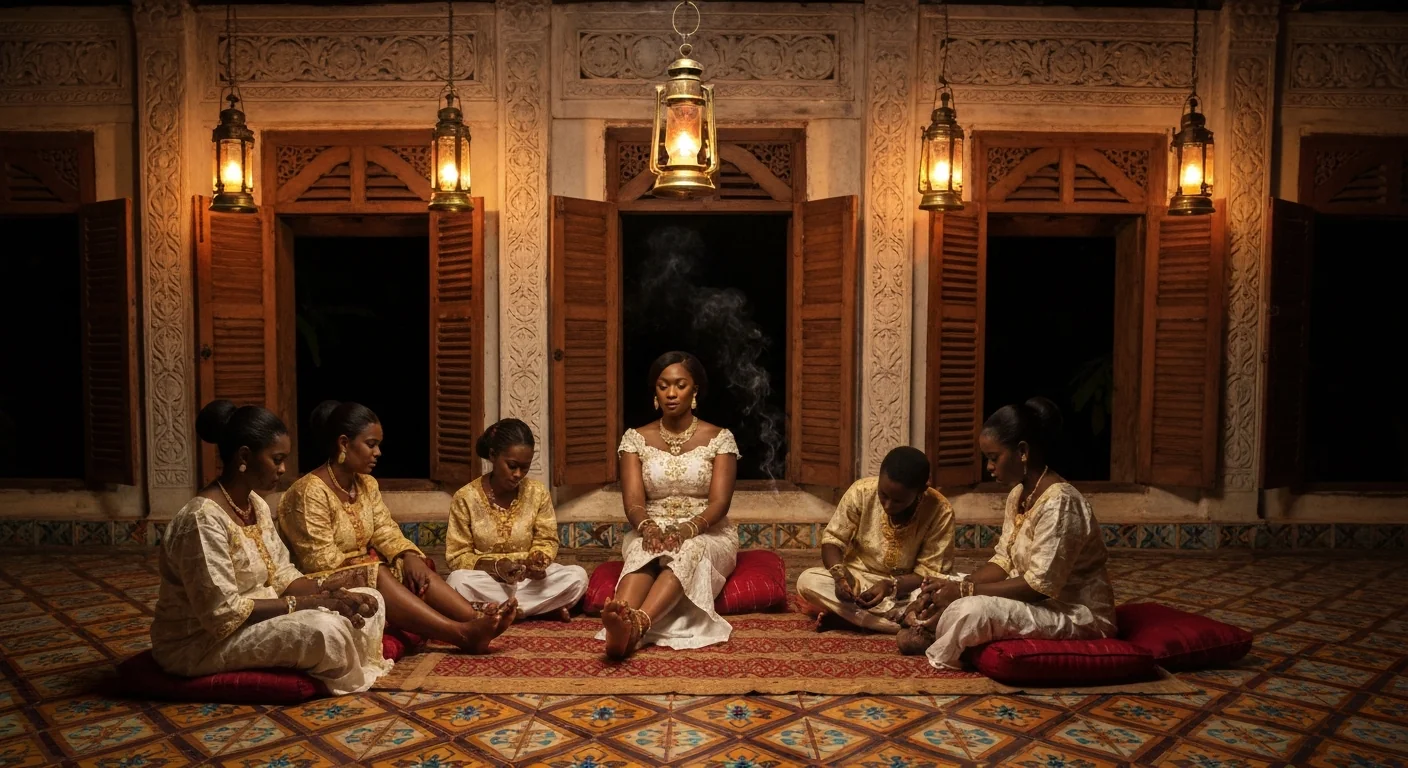
Kupamba is one of the most visually striking Swahili wedding traditions. It is a women-only celebration held the night before the wedding, where the bride is elaborately decorated and prepared for her wedding day.
During kupamba:
- The bride is adorned with henna (hina) — intricate designs covering her hands, feet, and sometimes arms. The henna application itself can take hours and is a social event with food, music, and conversation.
- The bride wears a series of increasingly elaborate outfits, often changing three to five times. Each outfit is more ornate than the last, culminating in a final bridal ensemble.
- Taarab music plays throughout the evening — the slow, poetic Swahili music genre that is inseparable from coastal wedding culture.
- Older women (somo) offer the bride advice about marriage, household management, and intimacy. This is a private, intimate tradition passed from generation to generation.
Kupamba is one of the most important events in a Swahili wedding — many families invest as much in this celebration as in the reception itself.
Somo (Bridal Counsel)
The somo is the traditional practice of educating the bride about married life. A trusted older woman — often an aunt, grandmother, or respected community elder — takes on the role of somo (teacher). The counsel covers practical matters like household management, cooking, and hospitality, as well as more intimate guidance about the marital relationship.
In modern times, the somo tradition has evolved. Some families keep it traditional and private. Others have adapted it into a more celebratory format, similar to a bridal shower, where advice is offered alongside gifts and festivities.
The Nikah (Islamic Marriage Ceremony)
For the large Muslim population along Tanzania’s coast, the nikah is the religious centrepiece of the wedding. The ceremony follows Islamic law and involves:
- The presence of a kadhi (Islamic judge) or imam who officiates
- The declaration of mahr — the groom’s gift to the bride, stated in front of witnesses. In Swahili custom, this is usually a sum of money or gold jewellery.
- The signing of the marriage contract (aqd al-nikah)
- Consent from the bride, given through her wakil (representative, usually her father or male guardian)
- Two male Muslim witnesses
The nikah is often a relatively brief ceremony — the spiritual and legal formalities — with the larger celebration happening at the reception (karamu) afterward.
Karamu (The Reception)
The Swahili karamu (feast) is the main public celebration. It is characterised by:
- Elaborate food — Pilau, biryani, samosas, mishkaki, and a lavish spread of Swahili cuisine. Seafood features prominently at coastal celebrations.
- Taarab performances — Live taarab music is a defining feature. Guests approach the musicians and place money on the performers or the bride as a sign of appreciation and celebration.
- Chakacha and other dances — Swahili traditional dances are performed by women, often in coordinated groups. The dances are celebratory and sometimes competitive, with different family groups performing.
- Gift presentation — Guests present gifts to the couple, often publicly, which builds social goodwill and reciprocity.
Kusindikiza Bi Harusi (The Bride’s Send-Off)
The day after the wedding, the bride is formally sent off from her family’s home to her new home with the groom. This event, kusindikiza bi harusi, involves:
- The bride’s family gathering to say goodbye
- Advice and blessings from elders
- Emotional moments as the bride leaves her childhood home
- The bride is often escorted by a group of women from her family who help her settle into the new home
Christian Wedding Traditions in Tanzania
Approximately 60% of Tanzanians identify as Christian (across Catholic, Lutheran, Anglican, Pentecostal, and other denominations), and church weddings are the most common form of formal ceremony in the country.
The Church Ceremony
A Christian wedding in Tanzania follows a familiar liturgical structure but with distinctly Tanzanian flavour:
- Procession — The bridal party enters to music, often a mix of Western wedding songs and Swahili hymns. In many churches, the congregation stands and sings as the bride enters.
- Hymns and worship — Tanzanian church weddings feature spirited singing, often by a church choir. Hymns are sung in Swahili, and the energy is far more celebratory than the subdued atmosphere of many Western church weddings.
- Vows and rings — Standard Christian vows are exchanged, often in Swahili.
- Sermon — The pastor or priest delivers a marriage sermon, often with practical advice and humour.
- Signing of the register — The couple signs the marriage register, which the church submits to RITA for legal recognition.
Marriage Preparation
Most Tanzanian churches require couples to complete a marriage preparation course before the wedding. These courses cover:
- Theological foundations of marriage
- Communication and conflict resolution
- Financial management as a couple
- Family planning
- Premarital counselling sessions
The duration varies — Catholic preparation (known as sista) can take three to six months, while Protestant courses may run four to eight weeks.
Church Fees and Requirements
Fees for a church wedding in Tanzania vary by congregation but typically range from TZS 100,000 to TZS 500,000. Requirements commonly include:
- Baptism certificates for both parties
- Completion of the marriage preparation course
- A letter of introduction from your home parish (if marrying in a different church)
- The couple’s membership or regular attendance at the church
Traditional Dances at Tanzanian Weddings
Dance is central to Tanzanian celebration, and weddings are the stage where traditional dances shine. Different communities bring different dances:
Ngoma
Ngoma is a broad term for traditional drumming and dancing found across Tanzania. At weddings, ngoma performances involve coordinated drumming, singing, and movement. The specific style varies by ethnic group — Sukuma ngoma is different from Zaramo ngoma, which is different from Makonde ngoma.
Chakacha
A Swahili coastal dance performed by women, chakacha involves rhythmic hip movements and is a staple at Swahili weddings. It is celebratory, social, and often competitive — women from the bride’s and groom’s families may perform in turns, trying to outdo each other.
Mdundiko
Mdundiko is a traditional dance associated with the Zaramo people of the Dar es Salaam region. It is performed at weddings and coming-of-age ceremonies, featuring energetic movements and call-and-response singing.
Sindimba
From the Makonde people of southern Tanzania, sindimba involves vigorous hip movements and is performed at celebrations including weddings. It is accompanied by drums and is known for its high energy.
Modern Adaptations
Today, many Tanzanian wedding receptions feature a mix of traditional dance performances and modern dancing to bongo flava (Tanzanian popular music), Afrobeat, and international hits. The traditional dances are often performed as a dedicated segment early in the reception, honoring heritage, before the floor opens for general dancing.
Food Traditions at Tanzanian Weddings
Food at a Tanzanian wedding is abundant, communal, and deeply tied to cultural identity.
Staple Dishes
- Pilau — Spiced rice cooked with meat (usually beef or goat), a staple at almost every Tanzanian wedding regardless of region or religion.
- Biryani — Layered rice and meat, more elaborate than pilau, and especially popular at coastal weddings.
- Nyama choma — Grilled meat (goat or beef), often served at outdoor celebrations.
- Wali na maharage — Rice and beans, a simple but essential dish at budget-conscious celebrations.
- Mishkaki — Grilled meat skewers, served as appetizers or part of the main meal.
- Ndizi na nyama — Plantain and meat stew, common in northern and western Tanzania.
- Ugali — The stiff maize porridge that is a staple across Tanzania, often served alongside meat stews at traditional ceremonies.
Regional Variations
- Coastal/Zanzibar — More seafood (grilled fish, octopus, prawns), coconut-based curries, chapati, mahamri (sweet fried bread), and halwa (a dense, sweet confection served to guests).
- Kilimanjaro region — Banana-based dishes, mbege (traditional banana beer), and roasted goat.
- Lake regions — Freshwater fish (tilapia, Nile perch), plantains, and local brews.
- Southern highlands — Rice, beans, and more root vegetables.
The Wedding Cake
The wedding cake is a significant element at Tanzanian receptions. Multi-tiered cakes are standard, and the cake-cutting ceremony is a highlight of the programme. The couple feeds each other the first piece — a universally beloved moment that is photographed extensively.
How Modern Tanzanian Couples Adapt Traditions
Tanzanian wedding culture is not static. Couples today, especially urban and diaspora Tanzanians, are finding ways to honour tradition while adapting it to their values and circumstances.
Combining Events
To manage costs and logistics, many couples combine the introduction and mahari into a single day, or hold the religious ceremony and reception on the same day. This is increasingly accepted, especially in urban areas.
Simplifying Mahari
Some couples negotiate mahari amounts directly, rather than through traditional emissaries. Others agree on symbolic amounts. The key is respecting the process while making it work for both families.
Digital Invitations and Coordination
While printed invitation cards are still standard in Tanzania, couples are increasingly using WhatsApp, wedding websites, and platforms like Harusi Hub to manage guest lists, share event details, and track RSVPs — especially when coordinating across cities or countries.
Destination Weddings
Zanzibar has become a popular destination wedding choice for Tanzanian diaspora couples. These weddings blend traditional elements — a nikah or church ceremony, taarab music, Swahili cuisine — with the resort experience.
Interfaith Marriages
With Tanzania’s roughly equal Christian-Muslim population, interfaith marriages are common. Many couples hold separate religious ceremonies (a nikah and a church blessing) and unite both families at a shared reception. This requires careful planning and communication with both religious leaders, but it is widely practised and accepted.
Frequently Asked Questions
Is mahari mandatory in Tanzania?
Mahari is not a legal requirement for marriage in Tanzania. However, it is a deeply rooted cultural expectation in virtually all Tanzanian communities. Skipping it can create significant tension with the bride’s family. Even couples who disagree with the tradition often participate in a simplified version to maintain family harmony.
How much does mahari cost?
The cost varies enormously by ethnic group, region, and family. Swahili coastal mahari might be TZS 500,000–5,000,000 in cash. Sukuma mahari can involve dozens of cattle worth tens of millions of TZS. Chagga mahari traditionally included cattle and mbege but today often involves cash equivalents of TZS 1,000,000–5,000,000. The trend across Tanzania is toward more affordable, negotiated amounts.
Can a non-Tanzanian participate in these traditions?
Yes. Tanzanian families are generally welcoming and appreciative when a foreign partner makes the effort to participate in traditional customs. Communication is key — talk to your partner and their family early about what is expected and what you are comfortable with. Hiring a cultural advisor or relying on your partner’s family to guide you through the process is common and encouraged.
How long does the full Tanzanian wedding process take?
From the first family introduction to the final reception, the process can take anywhere from three months to over a year. Urban couples tend to compress the timeline, while families in more traditional or rural settings may stretch it across several months to allow for proper planning and community involvement.
What should I wear to a Tanzanian wedding?
For church or mosque ceremonies, formal attire is expected — suits for men, formal dresses for women. For Swahili weddings, guests often wear kanga, kitenge, or other African-print fabrics. At nikah ceremonies, modest dress is essential, and women are expected to cover their heads. When in doubt, ask the hosting family — they will appreciate your consideration.
Honour Your Traditions, Simplify Your Planning
Managing multiple ceremonies, guest lists across families, and vendor bookings is easier with everything in one place. Harusi Hub helps you plan your Tanzanian wedding your way.
Start Planning on Harusi Hub