Kisii (Gusii) Wedding Traditions: Egesagane & Modern Ceremony
Complete guide to Kisii wedding traditions — ogotimia bride wealth, egesagane ritual, ekeremo procession, obokano music, and modern Abagusii ceremonies.
Kisii (Gusii) Wedding Traditions: Egesagane & Modern Ceremony
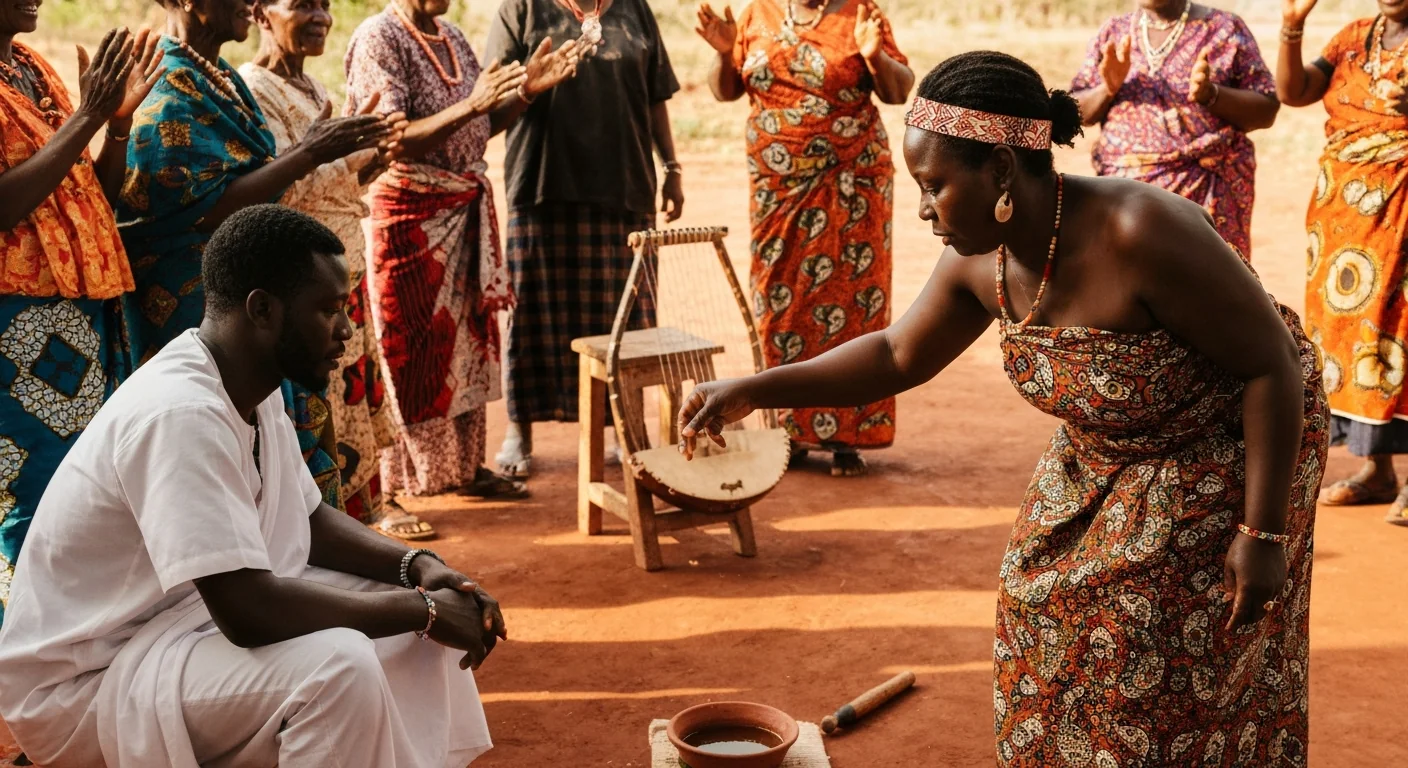
The obokano lyre is playing. A procession of women fills the homestead with ululation. Then a small girl steps forward, dips her fingers into oil, and anoints the groom’s face. This is the egesagane — and it is just one of the moments that makes an Abagusii wedding unlike any other in Kenya.
A Kisii wedding is not a single-day event. It is a multi-stage journey that binds two families through investigation, negotiation, ritual, music, and feasting — a process the Abagusii have refined over centuries in the highlands of western Kenya. From the quiet investigative work of endoti to the joyful chaos of the ekeremo bridal procession, from the symbolic egesagane ceremony to the deep-buzzing tones of the obokano lyre, every stage carries cultural weight that modern couples continue to honour in Kisii and Nyamira counties today.
This guide walks you through the complete Abagusii marriage process: what happens at each stage, what is expected of each family, how bride wealth works, what the egesagane actually is and why it matters, and how contemporary Kisii couples blend these traditions with church weddings and modern celebrations. Whether you are an Abagusii couple planning your own wedding or a partner marrying into the community, this is the practical, respectful overview you need.
For context on how Kisii customs fit alongside other Kenyan communities, see our Complete Guide to Kenyan Wedding Traditions.
Who Are the Abagusii?
The Abagusii (commonly called the Kisii or Gusii) are a Bantu-speaking community of approximately 2.7 million people, primarily residing in Kisii County and Nyamira County in the western highlands of Kenya — about 50 kilometres east of Lake Victoria. Their migration history brought them through Mount Elgon and the Kano Plains before they settled in the fertile, hilly terrain they occupy today. Along the way, they absorbed cultural elements from neighbouring communities including the Maasai, Luo, Kuria, and Kipsigis — a blending that enriches their wedding traditions.
Marriage holds a central place in Abagusii society. It is not merely a union of two individuals but a binding covenant between two lineages. The Ekegusii proverb “Omosacha neritiro rire nyomba” — the husband is the pillar of the house — reflects the weight the community places on building a stable household through properly conducted marriage rites.
Breaking or disobeying customs is considered direct disrespect to the ancestors and was believed to ruin the whole egesaku — the community’s social and ancestral order. Marriage was thought of as the most important life event: the beginning of full participation in adult community life, and the bearing of children its ultimate fruit.
The Complete Kisii Marriage Process
The traditional Abagusii marriage unfolds in distinct stages, each with its own rituals, participants, and purpose. While modern couples may compress or adapt these stages, understanding the full process reveals the depth of intention behind a Kisii union.
1. Endoti — The Family Investigation
Before any public steps are taken, both families conduct endoti — a discreet investigation into the other family’s background. This is not a casual inquiry. Elders and trusted relatives gather intelligence on the prospective family’s reputation, health history, character, and social standing within the community.
A family with a poor reputation — associations with witchcraft, mental illness, chronic laziness, or dishonesty — could see negotiations stall before they begin. Endoti protects both sides: the groom’s family ensures they are investing bride wealth wisely, while the bride’s family confirms their daughter will enter a respectable household. Only when both families are satisfied does the process advance.
In earlier practice, the bride could marry a groom not of her own choosing — the families selected based on suitability. Today, most couples meet independently, but endoti’s spirit persists: families still conduct careful background checks before giving formal approval.
2. Esigani — The Go-Betweens
Once both families have completed their investigations, formal communication begins through esigani — trusted intermediaries who shuttle between the two households. The esigani are typically respected elders or relatives known to both families, capable of navigating sensitive conversations with diplomacy.
The go-betweens serve several functions. They confirm mutual interest, relay each family’s expectations, and begin laying the groundwork for bride wealth discussions. They also maintain the formal decorum the process demands — direct negotiation between fathers could produce friction that an experienced intermediary can smooth over.
Today, families still appoint esigani to handle formal communications, even when the couple have been together for years. The role of the go-between signals seriousness and respect, not naivety about modern relationships.
3. Ekeri-boko — The First Formal Visit
Ekeri-boko marks the first official meeting between the groom’s delegation and the bride’s family. This is the moment the relationship moves from private discussion to public acknowledgement.
The groom arrives with a carefully chosen delegation — typically including his father, uncles, and the esigani who facilitated the introduction. The groom is formally introduced to the bride’s extended family. In traditional practice, this may have been the first time the couple met face to face.
The bride’s female relatives play a critical role during ekeri-boko. They observe the groom’s character, how he carries himself, and how his family interacts. Their opinions carry genuine weight in the family’s decision to proceed. This is not ceremonial — if the women of the bride’s family are dissatisfied, negotiations can stall.
The visit also serves to build the social ties that will sustain the marriage for decades. Both families share refreshments, exchange pleasantries, and begin the careful dance of relationship-building that a long-lasting union requires.
4. Ogotimia — Bride Wealth Negotiation
Ogotimia is the heart of the Kisii marriage process. This is the formal negotiation and payment of bride wealth — an exchange that symbolises the beginning of a socially recognised and culturally sanctioned marriage among the Abagusii.
What Ogotimia Means
Bride wealth in Abagusii culture is not a purchase. It is an expression of gratitude to the bride’s family for raising their daughter, a demonstration of the groom’s family’s commitment, and a binding agreement between two lineages. The payment establishes the legitimacy of the union and any children born from it. Marriage entered without ogotimia was considered socially incomplete and culturally irregular.
Who Negotiates
Negotiations are led by abagaka (elders) from both sides. The groom’s father and senior male relatives present their offer, while the bride’s father and his elders evaluate and counter. The esigani continue to serve as mediators.
Women from both families are present and vocal. The bride’s mother and aunts advocate for their daughter’s value, while the groom’s mother and female relatives support their son’s case. Negotiations can span multiple sessions, each accompanied by meals and refreshments. This is deliberate — the feasting reinforces that the two families are building a relationship, not just closing a transaction.
What Is Given — The Egesaku
The traditional bride wealth package centres on livestock:
| Item | Details |
|---|---|
| Cattle (ching’ombe) | Primary currency. Historically averaged 13 adult zebu cows in the 1950s; today professional women may command 15–45 cows or monetary equivalent |
| Goats (chimbori) | Given in addition to cattle; often designated for specific members of the bride’s family (mother, maternal uncle) |
| Cash supplements | Increasingly common in modern negotiations, either replacing or supplementing livestock |
Okomana Chiombe — The Cattle Scrutiny
Before cattle change hands, the bride’s father and a delegation of six or seven elders travel to the groom’s homestead for okomana chiombe — the formal inspection and selection of cattle. This is a serious affair. The groom’s father presents his herd, and the visiting elders examine each animal. Cattle deemed too old, too thin, or otherwise unfit are rejected on the spot.
This practice ensures bride wealth represents genuine value. A family that presents quality livestock demonstrates their wealth, seriousness, and respect for the bride’s lineage.
The First Payment
The initial token payment of bride wealth formalises the engagement. Both families now begin preparations for the wedding proper. The remaining balance may be paid over time — sometimes years — but the commitment is binding from the first instalment.
5. Egesabo — The Pre-Wedding Feast
On the wedding day itself, celebrations begin with egesabo. The young men from the groom’s side — friends, age-mates, and male relatives — set out for the bride’s family home in a festive procession. Upon arrival, a goat is slaughtered for them, and feasting begins.
The egesabo allows the groom’s entourage to bond with the bride’s community and demonstrates hospitality from the bride’s family. It builds the communal energy that will carry through the ekeremo.
6. Egesagane — The Oil Anointing Ceremony
One of the most distinctive and symbolically rich elements of the Abagusii wedding is the egesagane ritual. This ceremony involves two key figures:
- Egesagane — a small girl, carefully selected
- Omoisia — a small boy, selected alongside her
During the ceremony, the egesagane smears the bridegroom with oil on his face. Then the small boy, omoisia, is also anointed with that oil. The act is a blessing — the purity and innocence of a child consecrating the groom’s transition into married life.
Following the anointing, the bride brings the bridegroom’s shield and hands it to him. The omoisia receives ekenama (the thigh of the remaining meat) as his ceremonial portion. The egesagane receives a basketful of flour. Then — in the most visually striking moment — the small girl leads the way as the wedding party begins its journey.
This ceremony encapsulates the Abagusii understanding that a marriage must be entered in purity, witnessed by innocence, and led forward with intention. The egesagane does not just bless the groom — she sets the direction.
7. Ekeremo — The Wedding Ceremony
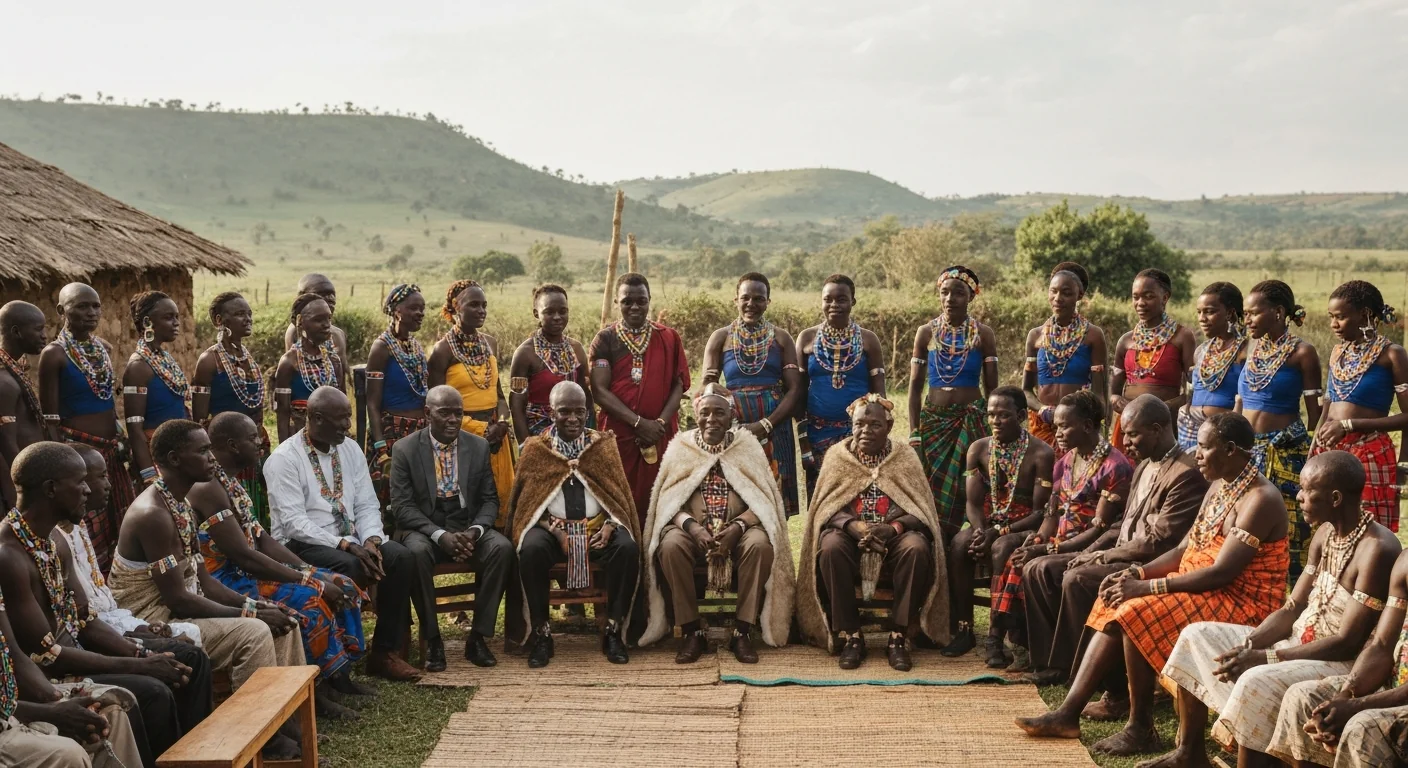
Ekeremo is the pinnacle of the Abagusii marriage process — the colourful, joyous celebration that brings both families and their communities together to bless and witness the union.
The Bridal Procession
The defining ritual of ekeremo is the bride’s journey from her family home to the groom’s homestead. Traditionally, the bride is carried by her maternal uncles — she does not walk. This gesture symbolises her purity, the honour of her family, and the gravity of the transition she is making. She is lifted and transported, surrounded by singing, ululation, and celebration.
Upon arrival at the groom’s compound, lessos (khangas) are spread on the ground for the bride to step on. This act signifies honour, protection, and the groom’s family’s commitment to treating their new daughter-in-law with dignity. The bride steps onto the cloth and into her new life.
One additional detail with deep symbolic weight: the couple is ordered not to look back as they walk. All the way to the groom’s homestead, they do not speak. If they encounter another couple in the same wedding procession journey, one must hide and wait for the other to pass first — a custom that preserves the spiritual singularity of each union.
Ululation and Blessings
Traditional ululations from women on both sides signal acceptance and joy. Elders from both families offer formal blessings, invoking ancestral approval and praying for fertility, prosperity, and harmony.
The Wedding Feast
A bull is slaughtered for the occasion, and the meat is divided with intention: one half goes to the in-laws, the other half to the villagers and community members. The bride receives the thigh, the hide, and the head — portions that signify her special status. She also receives some beer to take to her new home when the enyangi (ceremony) concludes.
The feast features traditional Abagusii foods:
- Obokima — the staple maize flour ugali, formed into a spoon shape to scoop up accompaniments
- Finger millet dishes — historically the primary staple, retained for ceremonial importance as a symbol of strength and vitality
- Matoke — cooking bananas, a staple crop of the Kisii landscape
- Roasted and stewed goat meat — prepared in generous quantities
- Traditional beer — brewed from finger millet, consumed communally, with elders drinking from communal pots through hollowed straws called orogore cut from specific tree wood
The Wedding Priest
The ceremony is officiated by a respected elder who acts as a priest. He places a large pot on the ground, supported on the sides with grass (chintamame), and slaughters the wedding goat. This goat, when killed, is held by the mouth with grass by a small girl — another moment of ceremonial precision that reflects the Abagusii attention to ritual detail.
8. Ogotimia Egetinge — Installation of Anklets
A more intimate ceremony, ogotimia egetinge involves the fitting of anklets on the bride. This private ritual is accompanied by songs and counsel from elder women who mentor the bride on married life — practical advice on managing a household, relating to in-laws, and navigating the early years of marriage.
While this custom is rarely practiced in its original form today, the spirit of elder women mentoring new brides remains alive in many families, often taking the form of pre-wedding counselling sessions.
9. The Bridal Name — A New Identity
After the wedding, the bride’s in-laws bestow upon her a new name reflecting her new status within the family or highlighting qualities her new family admires. This naming ceremony represents identity transformation and social integration — the bride is no longer simply her father’s daughter but a recognised member of her husband’s lineage.
10. Ogochabera — The Honeymoon Period
Once the bride reaches her new home, the period of ogochabera begins. This traditional honeymoon lasts approximately four to six weeks.
During ogochabera, the bride is treated with exceptional care. She dresses in her finest clothes, eats the choicest foods, and is not expected to perform any household work. The husband and his friends entertain her, and the couple uses this time to build their bond. This tradition reflects the Abagusii understanding that a marriage needs space to take root — the transition from one family to another is significant, and ogochabera gives the bride time to adjust while being treated with honour.
What Music and Dance Feature at Kisii Weddings?
Music is the heartbeat of an Abagusii celebration, and weddings are the most musically rich events in the community’s calendar.
The Obokano Lyre
The obokano is the signature instrument of the Gusii people and the centrepiece of wedding music. This large lyre features eight heavy-gauge strings — traditionally made from cow tendons — stretched over a bridge on a wooden frame crafted from omotembe (fig tree) wood. The resonator is covered in cowhide, producing the instrument’s distinctive deep, buzzing tones.
Unlike smaller lyres found in other Kenyan communities, the obokano is substantial in size. Players rest it on their lap or against their body, plucking the thick strings with both hands while alternating between rhythmic patterns and bass drones.
At traditional weddings, the obokano accompanied emeino — songs of praise and celebration. A particularly notable wedding custom involved the entwoni (central string) of the obokano: the best players from both the groom’s and bride’s sides would compete to see who could cut the string first, turning music into friendly rivalry. Only after this competition were they allowed into the house.
Esagasaga Dance
Women lead the esagasaga dance at weddings — a vibrant, communal performance that speaks of love, unity, and womanhood. The esagasaga is not merely entertainment; it is a cultural expression that reinforces community values around marriage.
Wrestling Traditions
Wedding celebrations historically included wrestling competitions among young men. The community’s best wrestlers gained renown through songs composed in their honour by lyrists and young women — connecting physical prowess with artistic celebration.
Abagusii Social Customs That Shape Weddings
Understanding Kisii wedding traditions requires appreciating the broader social framework they exist within.
Chinsoni and Ogosika — Shame and Respect
Abagusii society is governed by strict codes of chinsoni (shame) and ogosika (respect). These rules regulate behaviour between men and women, between generations, and between different categories of kin. At weddings, these codes shape the physical space and interactions:
- Fathers cannot enter their sons’ houses — a boundary that shapes how wedding celebrations are spatially organised
- Sons-in-law must avoid their mothers-in-law — requiring careful choreography at wedding events
- Daughters-in-law cannot cook for their fathers-in-law — influencing how feast responsibilities are distributed
- Direct eye contact between individuals of unequal status is discouraged — creating a formal, respectful atmosphere during ceremonies
These codes maintain social order and mutual respect, ensuring that the joining of two families proceeds with the dignity the occasion demands.
The Role of Elders
Abagaka (elders) are present at every stage of the marriage process. They lead negotiations, conduct cattle inspections, offer blessings, mediate disputes, and serve as living repositories of customary law. Clan leaders make decisions on behalf of their clans — when bride wealth is being discussed, it is the clan’s reputation and resources that are at stake, not merely an individual family’s.
No significant marriage decision proceeds without elder counsel. This remains true in modern Kisii weddings.
Ekegusii Proverbs About Marriage
Proverbs are woven throughout the Kisii wedding process, quoted by elders during negotiations, sung in emeino, and offered as advice to the couple:
-
“Omosacha neritiro rire nyomba” — “The husband is the pillar of the house.” This proverb emphasises the foundational role of the husband in household stability.
-
“Bwanchani mbwa ‘maiso, n’emioyo etamanyaini” — “Friendship is of the eyes; hearts remain unknown.” A cautionary saying reminding couples and families that genuine character matters more than outward appearance — the principle behind the endoti investigation.
-
“Ebiabande nsongora igoti, ebiao nkunyunyu” — This proverb critiques selective generosity: people eagerly attend communal feasts but become reluctant when it is their turn to host. At weddings, it serves as a reminder that marriage requires reciprocal generosity between families.
Modern Kisii Weddings: Tradition Meets Today
Contemporary Abagusii couples face the same question as many Kenyan communities: how to honour ancestral traditions while embracing modern life. The answer, for most Kisii families, is thoughtful blending.
Church Weddings and Civil Registration
Many Kisii couples incorporate Christian ceremonies into their wedding journey. A church wedding typically follows the completion of ogotimia and may occur before or after the traditional ekeremo. Catholic, SDA, and Protestant denominations all have strong presences in Kisii and Nyamira counties, and religious counselling or blessing ceremonies complement traditional elder guidance.
Civil registration at the Attorney General’s office ensures the union is legally recognised by the state, adding a third layer — customary, religious, and legal — to the marriage.
Modern Adaptations
Today’s Kisii weddings commonly feature:
- Bridal showers — now widely popular, giving the bride’s friends an opportunity to celebrate her before the wedding
- Matching outfits — wedding parties coordinating colours and styles, blending traditional fabrics with modern fashion
- Professional photography and videography — documenting both traditional ceremonies and modern celebrations
- Reception parties — hotel or venue-based celebrations with DJs, speeches, and tiered cakes alongside traditional feasting
- Monetary bride wealth — while some families still insist on livestock, many now negotiate bride wealth primarily in cash, or a combination of cash and symbolic animals
For help tracking all the moving parts across multiple events, Harusi Hub’s manage events feature handles traditional ceremony, church wedding, and reception separately — with their own guest lists, RSVPs, and dates. See the guide to managing wedding events to set it up.
What Endures
Despite these adaptations, the core customs remain remarkably resilient:
- Ogotimia continues to be practiced by the vast majority of families. Even couples who eloped — a trend that surged in Kisii society from the 1960s onward — often return to formalise bride wealth payments years later.
- Ekeri-boko remains a formal first visit that families take seriously.
- The egesagane ritual persists in traditional ceremonies as a moment of genuine cultural pride.
- The bridal name tradition continues, with in-laws still bestowing new names on brides.
- Elder involvement remains central. No matter how modern the reception, abagaka are consulted at every significant decision point.
- Obokano music is experiencing a cultural revival, with contemporary musicians bringing the instrument to new audiences through wedding performances and social media.
For couples navigating both traditions and modern expectations, see our guide on how modern Kenyan couples are adapting traditions and planning your traditional and white wedding weekend.
How Do You Plan a Kisii Traditional Wedding?
Timeline
The full traditional process unfolds over weeks or months, not days. Allow time for:
- Endoti and esigani — 2 to 4 weeks for family investigations and initial communications
- Ekeri-boko — schedule well in advance; both families need to assemble their delegations
- Ogotimia — negotiations may require multiple sessions; do not rush this stage
- Egesabo and ekeremo — the wedding celebrations typically span a full weekend
Use Harusi Hub’s wedding planning checklist to track each phase from the first family visit through to the reception.
Budget Considerations
Bride wealth is the most significant financial element. Discuss expectations early with your esigani to avoid surprises. Modern negotiations are flexible, and most families understand contemporary economic realities. The specific amount matters less than the respect shown through the process.
The wedding feast requires substantial food preparation. Budget for a bull, goats, obokima ingredients, beverages, and enough food to feed both families and their communities generously. For detailed budget planning, see the Kenya wedding budget guide and the wedding budget setup guide.
Guest Management
A Kisii wedding typically spans multiple events with different guest sets at each stage. Use digital invite links for different guest groups — the egesabo has a different audience than the ekeremo, and the church reception is different again. Managing this with a single wedding website means every guest has the right information at all times.
Who to Involve
- Identify your esigani early — choose respected individuals known to both families
- Brief your elders — ensure the abagaka representing your family understand both traditional expectations and any modern adaptations you wish to make
- Engage the bride’s maternal uncles — their role in the ekeremo procession is symbolically important
- Select the egesagane carefully — the child chosen for the oil anointing ceremony should be from a family held in high regard
Music and Entertainment
Seek out obokano players in advance if you want traditional music. The instrument is experiencing a revival, and skilled players are in demand. Consider blending obokano performances with modern entertainment — traditional music during the ceremony and cultural dances, then a DJ or band for the reception.
Frequently Asked Questions
What is the egesagane in a Kisii wedding?
The egesagane is a small girl who performs the oil anointing ceremony during the Abagusii wedding. She smears oil on the bridegroom’s face as a blessing, then leads the wedding party forward. A small boy (omoisia) is also anointed. Both children receive ceremonial food gifts. The egesagane represents purity and the blessing of innocence on the new union.
How much is the bride price in a Kisii wedding?
Bride wealth varies significantly based on family expectations and the bride’s background. Historically, it averaged about thirteen zebu cows in the 1950s. Today, professional women may command fifteen to forty-five cows or their monetary equivalent, while other families negotiate more modest amounts. Cash payments are increasingly accepted. The key principle is that the amount reflects respect and gratitude.
What is the difference between ogotimia and ekeremo?
Ogotimia is the bride wealth negotiation and payment — the formal agreement between two families that establishes the marriage. Ekeremo is the wedding celebration itself — the procession, the egesagane ceremony, feasting, music, and communal joy that publicly marks the union. Ogotimia must happen before ekeremo can take place.
What is the obokano and why is it played at Kisii weddings?
The obokano is the Gusii people’s signature eight-stringed lyre, crafted from fig tree wood and cowhide. It produces deep, buzzing tones that accompany wedding songs (emeino) and dances (esagasaga). A traditional wedding custom involves the best obokano players from both families competing to cut the central string (entwoni) first. The instrument is experiencing a cultural revival and is increasingly featured at contemporary Kisii weddings.
How long does the traditional Kisii honeymoon last?
The ogochabera period traditionally lasts four to six weeks. During this time, the bride is not expected to work and is treated to the finest food and clothing while she adjusts to her new home. Modern couples may not observe the full duration, but many families still honour the principle by ensuring the bride is welcomed warmly and given time to settle in.
Can a non-Kisii person marry into the Abagusii community?
Yes. The Abagusii community generally welcomes partners from other communities, provided they show genuine respect for traditions. A non-Kisii partner should expect to go through the standard ogotimia process. Having a knowledgeable esigani is especially important. Learning a few Ekegusii greetings and understanding the ogosika (respect) protocols goes a long way.
Is elopement acceptable in Kisii culture?
Elopement (okobasa) was traditionally considered taboo and strongly discouraged. However, by the mid-1980s, an estimated seventy-five percent of new unions in some areas were established without formal bride wealth payment. For couples who have eloped, returning to complete ogotimia and receive family blessings remains culturally important, and most families welcome this process even years after the fact.
Preserving the Abagusii Marriage Legacy
The Kisii marriage process is one of Kenya’s most structured and intentional wedding traditions. Every stage — from the quiet discretion of endoti to the jubilant procession of ekeremo, from the child’s oil anointing of the egesagane to the lyre music of the obokano — exists to ensure that marriage is entered thoughtfully, with the blessing of both families and the wider community.
What makes these traditions endure is their adaptability. A couple who completes ogotimia in Nairobi, celebrates ekeremo in Kisii, and holds a church wedding in Nyamira is not abandoning tradition — they are extending it. The elders, the music, the feasting, the egesagane, and the blessings exist to launch your marriage with the full support of your community. Honour what resonates, adapt what must evolve, and carry the Abagusii marriage legacy forward.
You may also enjoy reading about Luo ayie ceremony and Kalenjin koito engagement ceremony for comparison across western Kenya’s neighbouring communities.
Planning your Kisii wedding?
Coordinate ogotimia, egesagane, ekeremo, and your modern celebration — manage guests, track bride wealth, and keep both families informed in one place.
Start Planning for FreeFor more on traditional ceremonies across Kenya’s diverse communities, read our Complete Guide to Kenyan Wedding Traditions.