African Dowry Traditions Compared: 10 Countries Side by Side
A country-by-country comparison of bridewealth traditions across Africa — from Kenya's ruracio and South Africa's lobola to the DRC dot ceremony and Ethiopia's tilosh. Costs, customs, negotiation styles, and how each tradition is evolving today.
African Dowry Traditions Compared: 10 Countries Side by Side
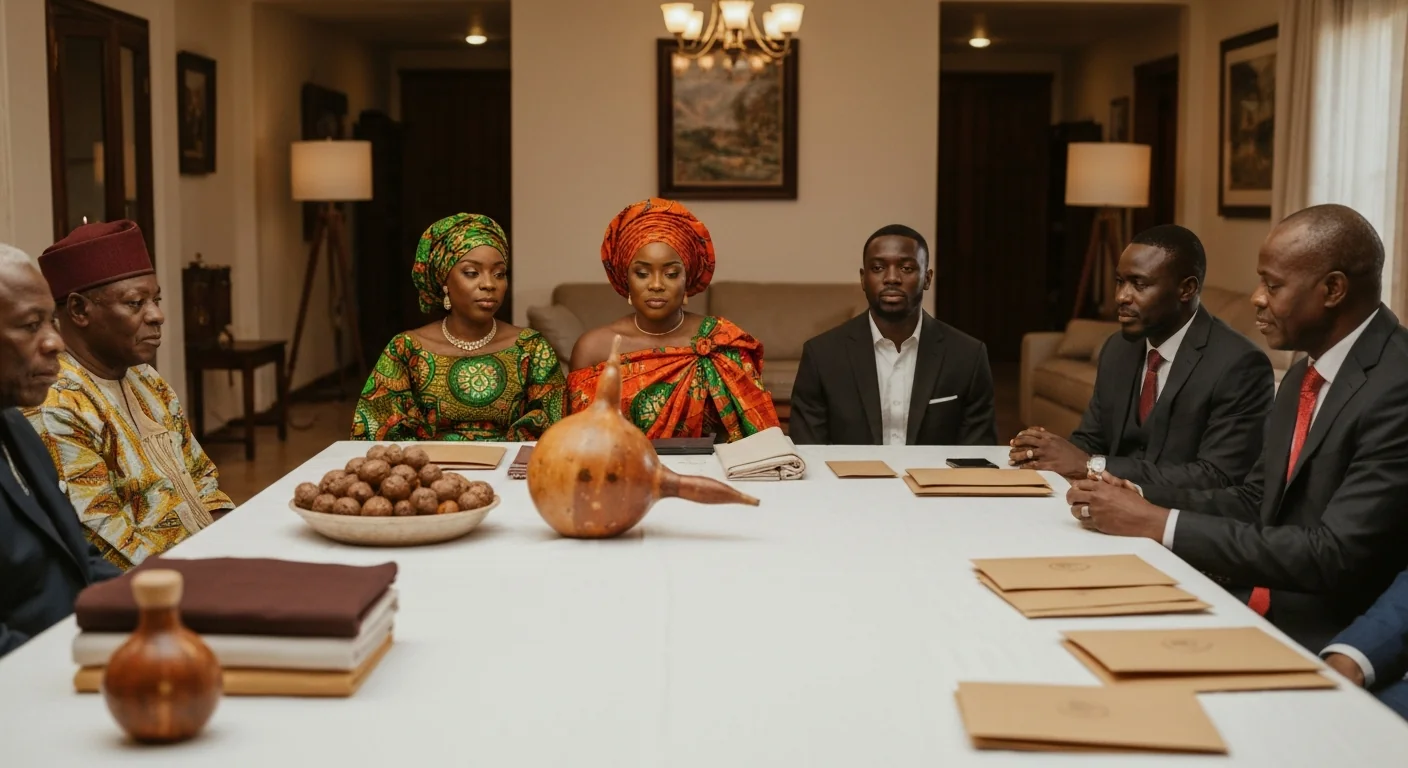
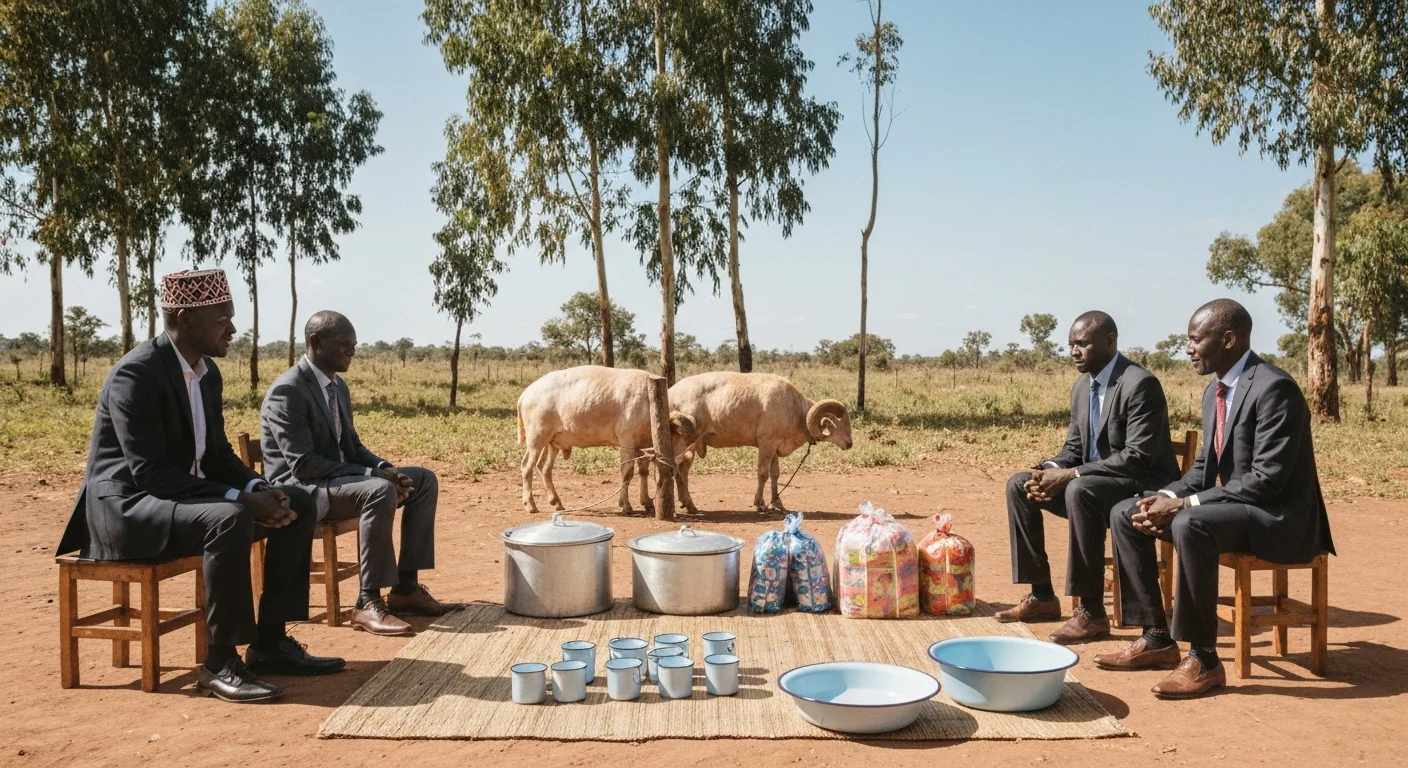
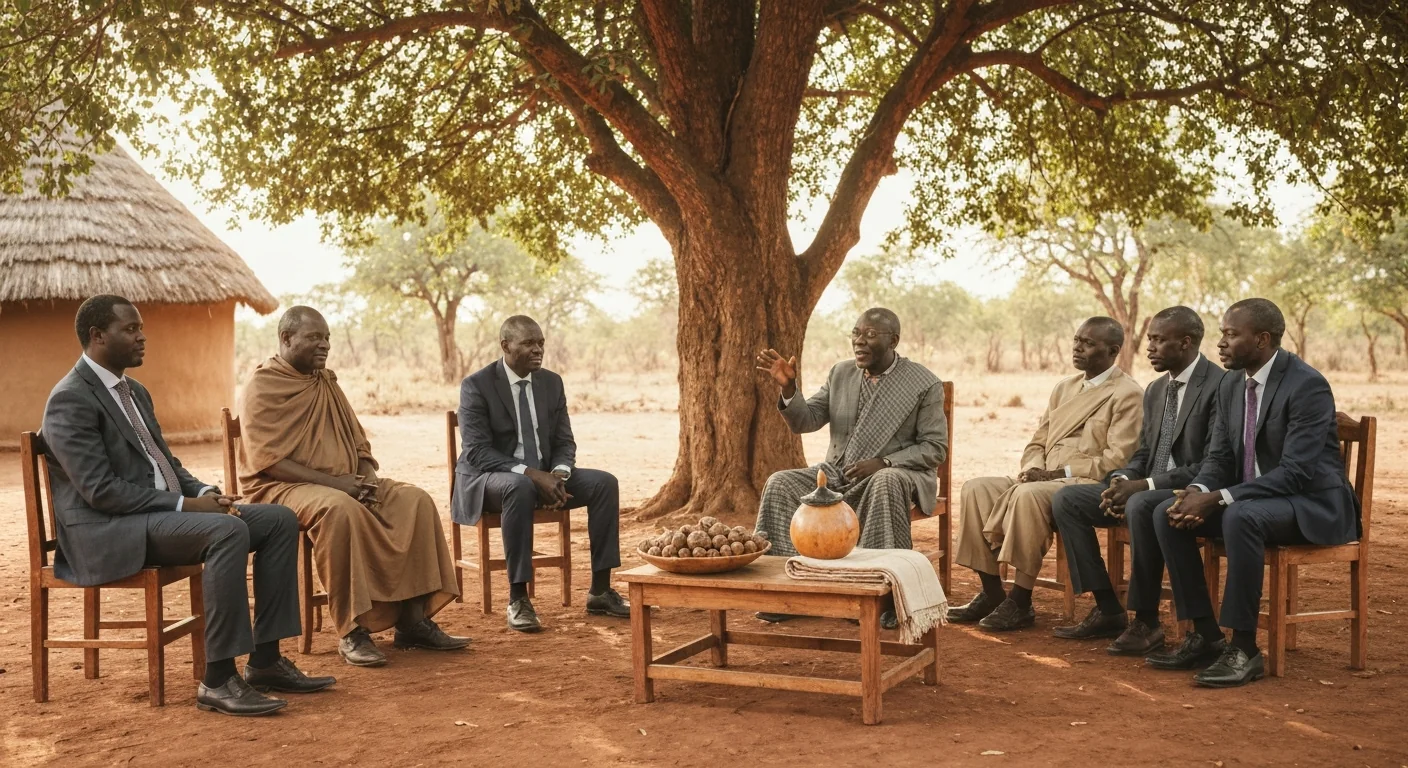
Bridewealth is one of the oldest and most widespread marriage practices on the continent — but it looks entirely different depending on where you stand. In Kenya, it might be a negotiation involving dozens of goats and a six-figure cash figure. In Botswana, it is eight cattle handed over in a quiet ceremony between uncles. In the DRC, the groom sits in silence while elders speak on his behalf. In Zimbabwe, a spreadsheet-style price list is circulated ahead of the meeting.
Same practice. Wildly different expressions.
This guide places ten African countries side by side: the local name, what is given, who negotiates, the typical cost in today’s figures, and how each tradition is changing under the pressures of urban life, inflation, and a new generation of couples with strong opinions of their own.
Also read: A Guide to African Wedding Traditions for a broader overview of ceremonies across the continent.
What Is Bridewealth?
Bridewealth is the transfer of goods, livestock, or money from the groom’s family to the bride’s family as part of a formal marriage process. The word choice matters. Bride price implies a purchase — a transaction that assigns a monetary value to a woman. Bridewealth, the term preferred by anthropologists and increasingly by African scholars and practitioners, frames the practice differently: as an exchange of value between two families, a gesture of respect, gratitude, and commitment.
The distinction is not merely semantic. In most traditions, the transferred goods do not go to the bride herself; they go to her family and her lineage. The exchange creates an alliance between two clans, not a bill of sale. In many cultures, the bride’s family returns a portion of the gifts or gives counter-gifts of equivalent value. In Yoruba culture in Nigeria, the cash bride price is often handed back to the groom immediately as a gesture of goodwill.
The Feminist Critique
The feminist critique of bridewealth is serious and should not be dismissed. Research published in journals including Evolutionary Human Sciences (2023) and the International Journal of African Renaissance Studies (2024) has documented cases where bridewealth payment strengthens normative constraints on women’s autonomy, makes it harder for women to leave abusive marriages (families fear being asked to “refund”), and delays marriage for young men who cannot raise the amount — leaving couples in informal unions with fewer legal protections.
Activist groups in Uganda, Zambia, and Zimbabwe have called for legal reform or abolition. Uganda’s Constitutional Court struck down the mandatory refund of bridewealth upon divorce in 2015, a landmark ruling.
Why It Persists
Despite the critique, bridewealth persists — and not only because families demand it. Surveys across East and Southern Africa consistently find that younger generations, including educated urban women, want the practice to continue, though often in modified form. The reasons they give:
- It signals seriousness. A man who negotiates bridewealth is making a public, family-witnessed commitment.
- It formalises the union in communities where civil registration is uncommon or distrusted.
- It creates a relationship between two families that outlasts the wedding day.
- It is a cultural identity marker — refusing it can feel like a rejection of heritage.
The debate is real. The persistence is also real. What is changing is the form.
The Comparison Table
| Country | Local Name | What’s Given | Who Negotiates | Typical Cost (2024–25) | Modern Evolution |
|---|---|---|---|---|---|
| Kenya | Ruracio / Ayie | Goats, cows, cash | Male family elders + spokesman | KES 100,000 – 1,000,000+ | Cash increasingly replaces livestock; itemised lists circulated in advance |
| South Africa | Lobola / Lobolo | Cattle or cash equivalent | Uncles on both sides | ZAR 25,000 – 100,000+ | Cattle valued in cash; lobola negotiators for hire |
| Zimbabwe | Roora | Cattle + itemised list | Family representatives | USD 2,000 – 15,000+ | Printed price lists; education premium added |
| Botswana | Bogadi | Cattle (8 standard) | Groom’s uncle negotiates | 7–9 cattle (~BWP 35,000–60,000) | Cash increasingly accepted; long payment terms normalised |
| Uganda | Kwanjula gifts | Cows, furniture, household goods | Family delegations | UGX 2M – 20M (~USD 540–5,400) | Cash per “cow”; appliances and cars now common |
| Ghana | Knocking (Abusua) | Schnapps, cloth, cash, livestock | Male family elders | GHC 600 – 5,000+ varies by ethnic group | Urban families increasingly accept cash; knocking ceremony retained symbolically |
| Nigeria | Ikpo Onu (Igbo) / Eru Iyawo (Yoruba) / Sadaki (Hausa) | Varies sharply by ethnic group | Family elders + community witnesses | NGN 5,000 – 500,000+ | Yoruba often return the cash; Igbo lists are detailed and negotiated formally |
| Ethiopia | Tilosh / Telosh | Gifts, clothing, jewellery | Shimaginoch (elder mediators) | Varies widely by ethnic group | Cash gifts standard in urban centres; not all ethnic groups practice it |
| DRC | Dot | Livestock, household goods, cash | Family representatives (groom stays silent) | USD 1,500 – 5,000+ | Smartphones, TVs, motorcycles now common; tech platforms emerging |
| Zambia | Lobola / Nsalamu | Cash, livestock (rural) | Family elders | ZMW 1,000 – 40,000 (~USD 60–2,600) | Urban payment almost entirely cash; rural areas retain livestock |
East Africa
Kenya — Ruracio and the Art of Negotiation
Kenya has no single bridewealth tradition. With over 40 ethnic groups, the practice varies in name, form, and cost — but the underlying principle of family-to-family negotiation is nearly universal.
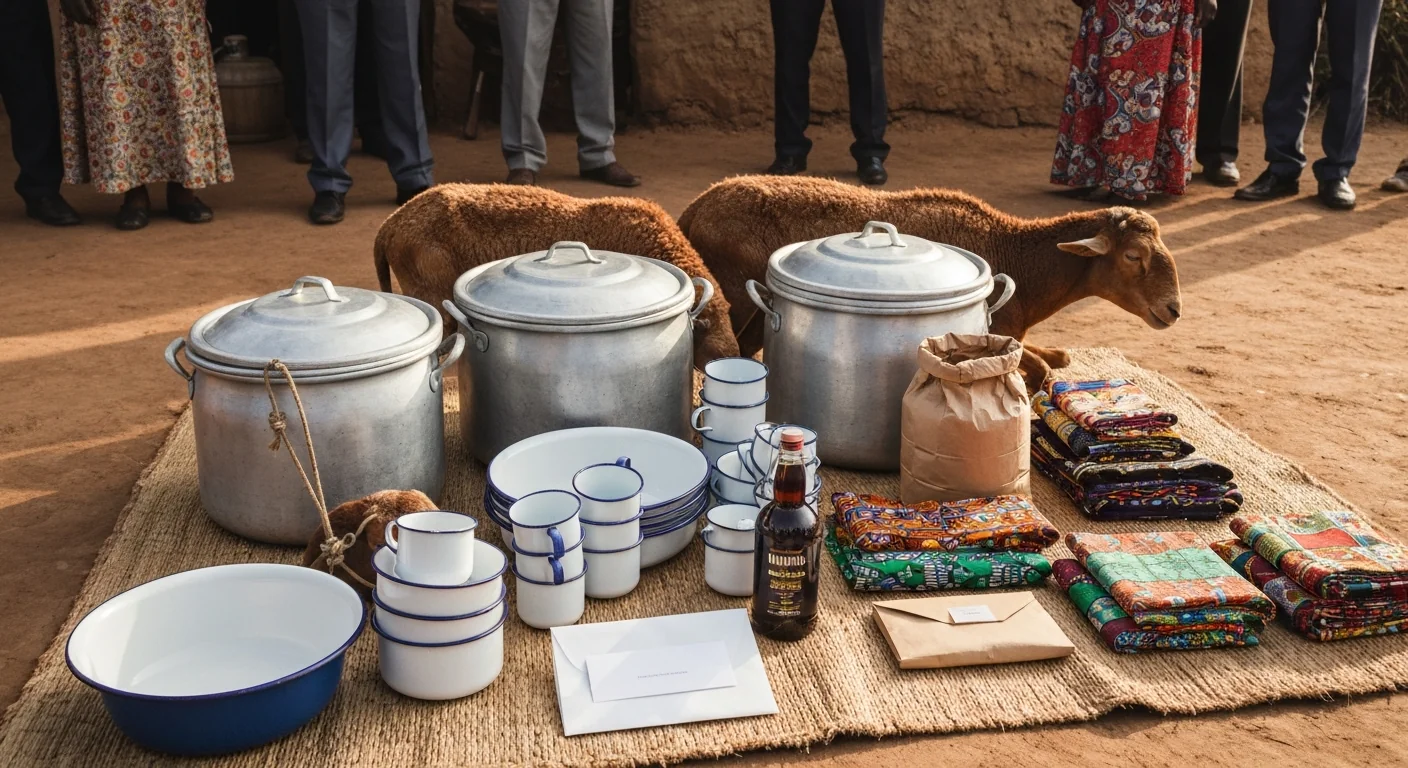
The most detailed and well-documented tradition is the Kikuyu ruracio, a multi-stage process that includes preliminary visits (Kumenya Mucii), formal negotiations (Ruracio proper), and a sacred completion rite (Ngurario). The Kikuyu tradition values livestock — historically goats and sheep — but today most families negotiate a cash equivalent. A single goat is valued at KES 5,000–18,000 depending on the market, and a full ruracio package (including the goats, a bull, honey, beer, and assorted gifts) can range from KES 100,000 to over KES 1,000,000 for a highly educated bride from a well-positioned family. Viral budget breakdowns shared on Kenyan social media have shown ruracio costs reaching KES 824,000 for a single ceremony, sparking national debate.
Among the Luo of western Kenya, the tradition is called ayie (acceptance) and is considered among the more demanding in Kenya. It may involve up to 20 cows, bulls, a bicycle for the bride’s father, and substantial cash. The Luo nyombo ceremony — the formal bridewealth payment — can exceed KES 500,000 in total. Read the full breakdown in our Luo Nyombo bride price guide.
The Kalenjin, Luhya, Kamba, Maasai, and other communities each have their own names and structures, but the negotiation model — male elders speaking on behalf of families, over several visits and cups of tea — is consistent. Almost all Kenyan communities now circulate itemised lists before the meeting, reducing the element of surprise and giving the groom’s family time to mobilise funds.
What is changing: Urban Nairobi families often compress multiple visits into one or two ceremonies. The negotiation still happens, but the performance of it is condensed. Mobile money (M-Pesa) has made payment instant — an elder can receive a livestock valuation confirmation on his phone during the negotiation. Tools like Harusi Hub’s budget tracker help couples keep a running total of bridewealth costs alongside their broader wedding budget — useful when the ruracio, church wedding, and reception each have separate budgets that need to stay in sync.
Read more: Kikuyu Ruracio: The Complete Guide
Uganda — Kwanjula and the Long Negotiation
In Uganda’s Buganda kingdom — the country’s largest and most influential cultural group — the kwanjula is the central introduction ceremony. It is not only a bridewealth event but a full theatrical production: the bride’s family hides her until the groom’s delegation can identify her from a group of women, elders deliver formal speeches in Luganda, and gift lists are read aloud and checked item by item.
Bride price negotiations in Uganda vary dramatically by region. In western Uganda, 8 to 20 cows are commonly demanded — but paying actual cows has fallen out of fashion in urban Kampala. Instead, the groom brings UGX 1,000,000 (~USD 270) per cow requested. A 10-cow negotiation therefore translates to UGX 10,000,000 (~USD 2,700) in cash, plus furniture sets, refrigerators, televisions, and sometimes a car for the bride’s father.
Negotiations can last 8 to 10 hours, starting in the afternoon and running past midnight. The balance can be paid over two to four years. Ugandans collectively spend an estimated UGX 2 billion every weekend on kwanjula ceremonies nationwide — a figure that underscores both the cultural weight and the economic scale of the tradition.
A 2025 study in the Journal of the Royal Anthropological Institute documented an emerging trend: urban Ugandan women who contribute financially to their own bridewealth payments, upending traditional provider masculinity norms in ways that families are still negotiating.
Ethiopia — Tilosh and the Shimaginoch
Ethiopia is a continent unto itself culturally — over 80 ethnic groups, two major Abrahamic faiths, and one of the oldest continuous civilisations on earth. Bridewealth practices reflect this diversity profoundly.
Not all Ethiopian ethnic groups practice bridewealth. The Amhara and Tigray — two of the country’s largest groups — do not traditionally include a formal bride price payment. The Oromo and several other groups do, with amounts negotiated between families.
What is nearly universal across Ethiopian communities is the tilosh (also spelled telosh): the formal pre-wedding ceremony where the groom’s family brings gifts to the bride’s household. These gifts typically include a wedding dress, jewellery, fabric, and prepared food. In modern urban Addis Ababa, cash gifts are standard. The tilosh is not a negotiation per se — it is closer to a formalised presentation — but it occurs within a broader framework of elder-mediated negotiation (shimgilina) that governs the entire marriage process.
The shimaginoch (elder mediators) negotiate terms across several meetings, covering not just gifts but family expectations, the wedding structure, and future obligations. No decision is made without their blessing. Urban families hire professional shimaginoch — respected community figures available for hire — in much the same way Nairobi families now hire ruracio spokespeople.
Read our full guide: Ethiopian Wedding Traditions
West Africa
Nigeria — Three Traditions in One Country
Nigeria contains more ethnic groups than any other African country — over 250 — and bridewealth customs vary so dramatically between them that describing a single “Nigerian” tradition is impossible. Three major ethnic groups define the national conversation.
Igbo (South-East): Igbo bridewealth, called ikpo onu (placing a price), involves a detailed list drawn up by the bride’s family. The list covers livestock (goats are standard), yam tubers, palm wine by the keg, and a cash bride price that can run into hundreds of thousands of naira. The ceremony (igba nkwu nwanyi, or wine-carrying) is one of the most photographed traditional weddings in Africa: the bride searches the crowd for her groom while carrying a cup of palm wine, and when she finds him and offers him the drink, the marriage is publicly sealed. Igbo families have a reputation — within Nigeria — for the most demanding bridewealth lists.
Yoruba (South-West): Yoruba bridewealth (eru iyawo, the bride’s load) is formally among the more modest in Nigeria. The official cash bride price can be as low as NGN 5,000–20,000 — a figure that sounds startling until you understand the custom: the bride’s parents collect it and immediately return it to the groom as a gesture of respect and support for the union. The real costs in a Yoruba traditional engagement are in the items: Bible, engagement ring, luggage of clothing, umbrella, yams, palm oil, honey, kola nut, bitter kola, alligator pepper, she-goat, schnapps, and traditional cloth. The full list, negotiated between families, runs substantially longer.
Hausa-Fulani (North): Northern Nigerian bridewealth (sadaki) is shaped by Islamic law. The mahr — the obligatory gift from groom to bride — is enshrined in Islamic marriage. It belongs to the bride, not her family. Amounts are generally lower than southern Nigerian equivalents, and ceremonies are marked by gender separation and Islamic formality. Courtship is shorter, family involvement is direct, and the nikah ceremony is the legal and spiritual centre of the marriage.
Ghana — Knocking on the Door
In Ghana, the bridewealth process begins with a ceremony so aptly named it needs no translation: the knocking ceremony (called abusua in Akan communities). The groom and senior members of his family knock on the bride’s father’s door — literally and figuratively — to announce their marital intentions. Without being granted entry through this ceremony, no further marriage process can proceed.
The items brought to the knocking differ by ethnic group. Among the Akan (Ashanti, Fante), schnapps is essential — it is poured as a libation for the ancestors before any negotiation begins. The full Ashanti or Fante marriage list includes fabric, cooking oil, cash, kola nuts, and livestock. Among the Ewe, the Ga, and the northern groups (Dagomba, Mamprusi), the specifics differ, with northern tribes favouring cattle. A groom marrying into a Fante family might spend GHC 600–5,000 on the formal bride price — though the surrounding hospitality, clothing, and ceremony costs add significantly.
What distinguishes Ghanaian practice is its ceremonial warmth. The knocking ceremony is often joyful and performed with humour; elders on both sides engage in stylised banter, and the formality of the negotiation is leavened by music, food, and family reunion.
Southern Africa
South Africa — Lobola and the Nation
Lobola (or lobolo in isiZulu; roora to Shona-speaking South Africans) is perhaps the most discussed bridewealth practice in English-language media, partly because South Africa’s large middle class and vocal commentariat keep the debate alive in newspapers, social media, and policy circles.
Traditionally, lobola is paid in cattle — the definitive symbol of wealth, respect, and permanence in Nguni culture. A standard lobola negotiation involves 11 cattle (10 for the bride, 1 as a “thank you” cow for the bride’s mother, known as inkomo yomnene). In Venda culture, cattle are negotiated between the bride’s father and the groom’s uncle. In Xhosa and Zulu communities, the process is managed by male family representatives (izithunywa) on both sides.
In practice, most South African families today negotiate a cash equivalent. Lobola heifers are valued at ZAR 4,000–12,000 each depending on the market and region. A full lobola settlement therefore commonly falls between ZAR 25,000 and ZAR 100,000 — with high-profile or high-education cases pushing the figure toward ZAR 400,000. A booming industry of professional lobola negotiators has emerged in Johannesburg and Durban, charging fees to guide grooms through the process.
The rising cost of lobola has prompted genuine concern among South African researchers. Multiple studies have documented that young men delay marriage — sometimes for years — while saving a lobola amount they can afford, and that the delay increases rates of cohabitation without formal union, with fewer legal protections for women.
Zimbabwe — Roora and the Price List
In Zimbabwe, the bridewealth tradition is called roora (among the Shona) or lobola (among the Ndebele). What distinguishes Zimbabwean practice from its neighbours is the degree of formalisation: roora payments follow a structured itemised list, sometimes circulated in writing before the negotiation meeting.
The Shona roora list includes named categories, each with a specific value:
- Makandinzwa nani (how did you know I have a daughter): ~USD 2,000
- Rusambo (the main bride price, often set at 10 cattle equivalent): ~USD 10,000
- Mombe yehumai (cow for the mother): ~USD 1,500
- Mombe yechimanda (virgin premium, if applicable): ~USD 1,000
- Education premium: USD 100–500 depending on qualification level
- Father-in-law’s suit, gifts for aunts, groceries
A moderate roora settlement in Zimbabwe today runs USD 5,000–15,000, though the groom is not expected to pay everything at once. Payment in installments over years — even decades — is culturally accepted, and the marriage is considered valid even while payment is ongoing.
Zimbabwe’s hyperinflation history has profoundly shaped roora. With the local currency having collapsed and recovered multiple times, USD has become the de facto negotiation currency for bridewealth — bringing a transactional clarity that older generations find jarring but younger grooms prefer for its predictability.
Botswana — Bogadi and the Uncle’s Role
In Botswana, the Tswana tradition of bogadi (cattle as bridewealth) is among the more clearly codified in the region. The standard is eight head of cattle — one animal representing each day of the traditional week — paid by the groom’s family to the bride’s family. If the bride has had a child before marriage, the figure rises to nine. In some communities, seven cattle are accepted.
What distinguishes Bogadi from its neighbours is the role of the groom’s uncle. It is the uncle — not the father — who leads the negotiation on the groom’s behalf. This uncle-driven model reflects Tswana kinship structures in which maternal uncles bear specific social obligations toward nephews. The negotiations unfold across multiple meetings, with the uncle making representations and the bride’s family responding.
Cash payment is increasingly accepted in urban Gaborone, though cattle remain the preferred medium in rural areas. Full payment sometimes takes years, and partial payment is sufficient to establish the validity of the union. Bogadi is not merely a transaction; it formally legitimises the bride’s children as members of the groom’s family, a legal and social distinction that matters in customary law.
Zambia — Lobola and the Nsalamu
Zambia uses the term lobola (shared with its neighbours) for a bridewealth practice that follows familiar regional patterns but with some Zambian-specific features. The process begins with the nsalamu — a formal declaration of intent in which the groom brings plates filled with cash (ZMW 100–500, roughly USD 6–31) to the bride’s relatives as an opening gift. This signals serious intentions and opens the door to formal negotiations.
The formal lobola amount in Zambia varies by location and the bride’s education. Urban Lusaka negotiations are conducted almost entirely in cash, with amounts ranging from ZMW 1,000–40,000 (approximately USD 60–2,600). Rural areas retain livestock. The amount is set not by a fixed formula but by the bride’s family’s judgment of her value — education, character, and family standing all factor in.
Zambia has one of the region’s more active policy debates around bridewealth. In 2016, a Member of Parliament proposed banning the term “bride price” from official discourse on grounds that it commodifies women. The debate continues; the practice does not.
Central Africa
Democratic Republic of Congo — The Dot Ceremony
The DRC’s bridewealth tradition is called the dot (pronounced dote, from the French dot, meaning dowry). It is one of Central Africa’s most theatrical and formally structured ceremonies — and one of its most distinctive, because of a single rule: the groom cannot speak.
The dot ceremony takes place at the bride’s family home. The groom arrives with an entourage of family members and a designated representative (porte-parole) who speaks on his behalf throughout the entire proceedings. He sits, listens, and defers. The bride’s family has their own representative. The two porte-paroles conduct a formalised dialogue that covers the introduction of guests, the reading of the dot list, the presentation of gifts, and the negotiation of any outstanding amounts. The ceremony is equal parts legal proceeding and community celebration.
Traditionally, the dot included goats, chickens, household items (pots, lanterns, knives), and fabric. Today, the list has evolved dramatically. Contemporary dot ceremonies in Kinshasa and Lubumbashi may include smartphones, flat-screen televisions, motorcycles, and household appliances alongside the customary cash payment of USD 1,500–5,000. A Global Press Journal investigation documented grooms in rural DRC using mobile payment platforms to transfer dot amounts to fathers-in-law who live hundreds of kilometres away.
Congolese law specifically requires that a dot be paid for a marriage to be legally recognised under customary law, while noting that the dot can be symbolic in value. This legal embedding of bridewealth is relatively unusual among African countries and has made reform politically sensitive. In 2021, Congolese lawmakers debated amendments to marriage law that would address the dot, alongside provisions on polygamy — debates that remain unresolved.
The Modern Debate
Across all ten countries, several common pressures are reshaping bridewealth in real time.
Inflation and currency instability have pushed amounts up in nominal terms while their real-world meaning fluctuates. In Zimbabwe, roora is now priced in USD because the local currency is unreliable. In Kenya, the KES amounts that would have constituted a generous ruracio in 2015 now represent a starting point. Young men in Kampala and Nairobi describe saving for years before they can afford to negotiate.
Installment culture has emerged as a practical adaptation everywhere. Very few grooms pay the full bridewealth amount on the day of the ceremony. Formal installment agreements — sometimes written, sometimes verbal but publicly witnessed — allow marriages to proceed while payment continues over months or years. Critics argue this creates a dynamic in which women remain symbolically “on loan” until the debt is cleared. Proponents counter that it simply reflects economic reality and keeps the tradition alive.
Couples refusing or renegotiating. A growing number of African couples — particularly in urban centres, in the diaspora, and among those with university education — are either refusing bridewealth negotiations entirely or dramatically simplifying them. Some families accept this; others do not. The tension often falls on the woman, who may face social pressure from her own family to insist on the tradition, and from her partner’s family to forgo it.
Legal reform is slow but real. Uganda’s 2015 Constitutional Court ruling on bridewealth refunds upon divorce was significant. South African legal discourse on lobola and women’s property rights continues. Zambia’s parliamentary debates on terminology signal a shift. In the DRC, the legal requirement for a dot creates a perverse incentive: couples too poor to pay it remain legally unrecognised under customary law, leaving women with fewer protections.
What most practitioners say, across all ten countries and across the ideological spectrum, is something like this: the problem is not the tradition itself but how it has been commercialised, inflated, and weaponised. When families treat bridewealth as a revenue event — demanding amounts they know the groom cannot afford, using negotiation as leverage, treating the “refund upon divorce” as a deterrent to women leaving — the tradition loses its meaning. When it is conducted as intended — as a respectful, family-witnessed exchange of gifts that creates a bond between two lineages — most people, including most women, want to keep it.
The tradition is not going anywhere. It is, however, being renegotiated — in every sense of the word.
For couples managing bridewealth alongside a church wedding and reception, keeping each ceremony’s expenses visible in one place makes the financial picture clearer. Harusi Hub’s event management lets you create separate events — ruracio, nikah, lobola negotiation, white wedding — each with its own budget, guest list, and checklist, so nothing falls through the cracks.
Also read: South African Wedding Traditions: A Complete Guide | Kikuyu Ruracio: The Complete Guide
Plan your traditional ceremony
Track bridewealth negotiations, ceremony budgets, and timelines in one place.
Start Planning