Kuhanda Ithigi: Complete Guide to the Kikuyu Engagement Ceremony
Everything you need to know about Kuhanda Ithigi — the Kikuyu engagement ceremony that officially books the bride, from meaning and process to what to bring.
Kuhanda Ithigi: Complete Guide to the Kikuyu Engagement Ceremony
You have told your family. She has told hers. Everyone is excited. But in Kikuyu culture, excitement does not make a woman promised — a ceremony does.
Before a single goat is counted for ruracio, before any elders sit down to negotiate, there is one step that must happen first: Kuhanda Ithigi. This is the Kikuyu engagement ceremony — the moment when the groom’s family formally “plants the branch” and the bride is officially taken off the market.
If you are planning a Kikuyu traditional wedding, Kuhanda Ithigi is not optional. Skipping it — or treating it as a casual meet-the-parents visit — misses the point entirely. This guide explains what Kuhanda Ithigi is, how it differs from ruracio, what to bring, and what to expect on the day.
For the full picture of every stage in the Kikuyu marriage journey, read our Complete Guide to Kikuyu Ruracio Wedding Traditions.
What Does “Kuhanda Ithigi” Mean?
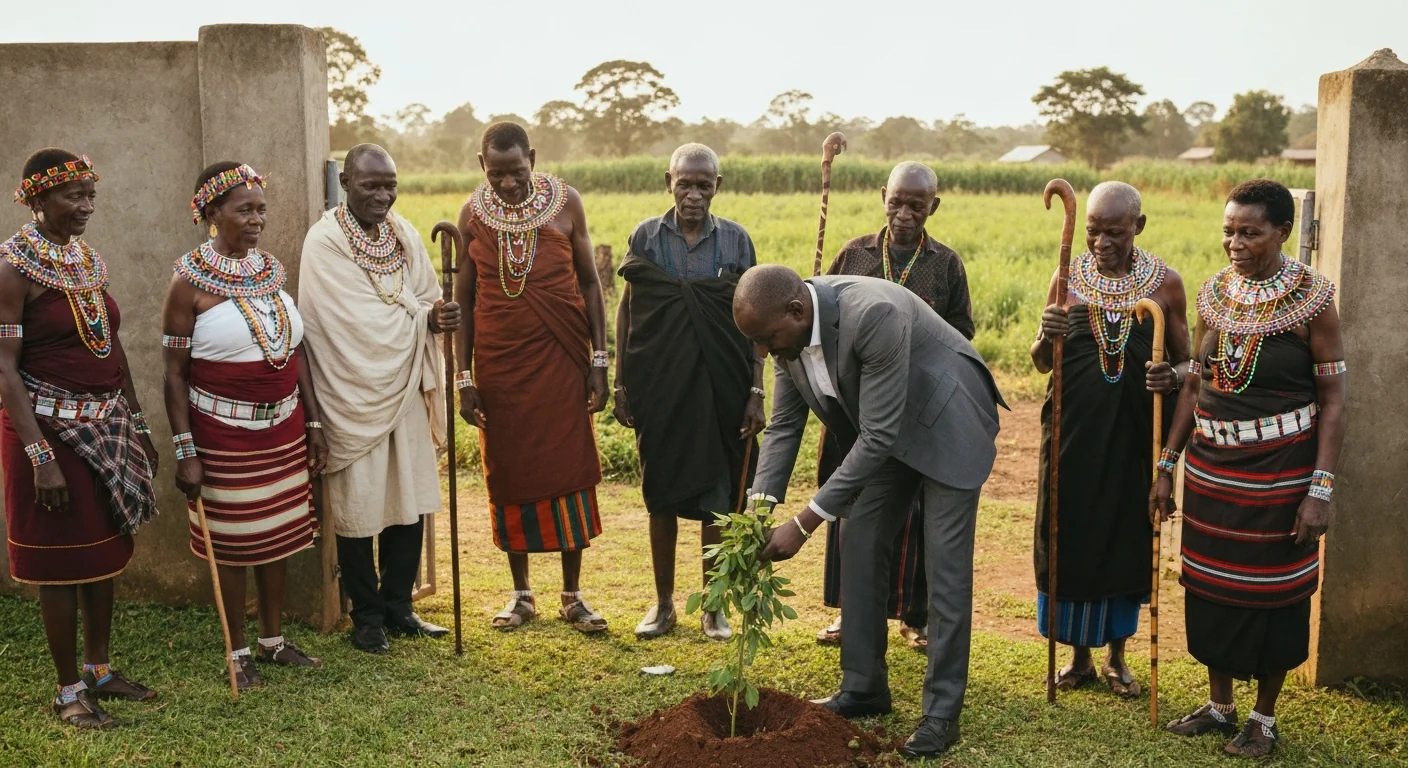
The phrase translates literally as “planting a branch of a tree” — kuhanda (to plant) and ithigi (a tree branch). In older times, a groom would physically plant a branch from a sacred tree — typically the Mugumo (fig tree) or Muthithia (African olive tree) — in the bride’s homestead. The planted branch was visible proof: this woman is spoken for.
Today the physical planting is largely symbolic. The branch may be brought as a prop and placed during the ceremony rather than planted in soil. But the meaning has not changed: after Kuhanda Ithigi, the bride is officially engaged, and no other suitor may approach her family.
The weight of this is not ceremonial — it is cultural law. In traditional Kikuyu society, Kuhanda Ithigi was considered so binding that the couple could begin living together as husband and wife immediately after, even before the full ruracio. The proverb is clear: “Cira munene ni wa uthoni igikua” — the most serious case is when a betrothal is broken. Breaking an engagement after Kuhanda Ithigi carries real social consequences to this day.
How Kuhanda Ithigi Fits into the Kikuyu Marriage Process
The Kikuyu marriage process unfolds in defined stages that cannot be skipped without consequence. Kuhanda Ithigi is Stage 2 — after the investigative first visit and before the main dowry negotiation.
| Stage | Name | Purpose |
|---|---|---|
| 1 | Kumenya Mucii | Investigation — groom’s family learns about the bride’s lineage and clan |
| 2 | Kuhanda Ithigi | Engagement — bride is officially booked |
| 3 | Ruracio (Kuracia) | Main dowry negotiation — the central ceremony |
| 4 | Itara | Bride’s family visits the groom’s home |
| 5 | Ngurario | The sacred final rite that seals the marriage permanently |
Some modern families combine Kumenya Mucii and Kuhanda Ithigi into a single visit when the families already know each other well — but both sets of rituals must still be observed, even if on the same day.
How Kuhanda Ithigi Differs from Ruracio
Many people confuse these two ceremonies. They serve completely different purposes.
| Kuhanda Ithigi | Ruracio | |
|---|---|---|
| Purpose | Engagement — formally books the bride | Dowry negotiation — the main ceremony |
| What is paid | Mwati (ewe) and Harika (young he-goat) as a deposit | Installment of the agreed bride price (typically 15 goats’ worth on the day) |
| Scale | Smaller, more intimate family gathering | Larger event — can be 50–300+ guests |
| Negotiation | None — this is about intent, not price | Yes — the full bride price is negotiated here |
| Duration | Usually a few hours | Full day, often from morning to late afternoon |
| Groom speaks? | The groom may speak briefly at this stage | No — the groom must not speak at ruracio |
The simplest way to remember it: Kuhanda Ithigi is the engagement. Ruracio is the dowry. One must come before the other.
Who Attends Kuhanda Ithigi?
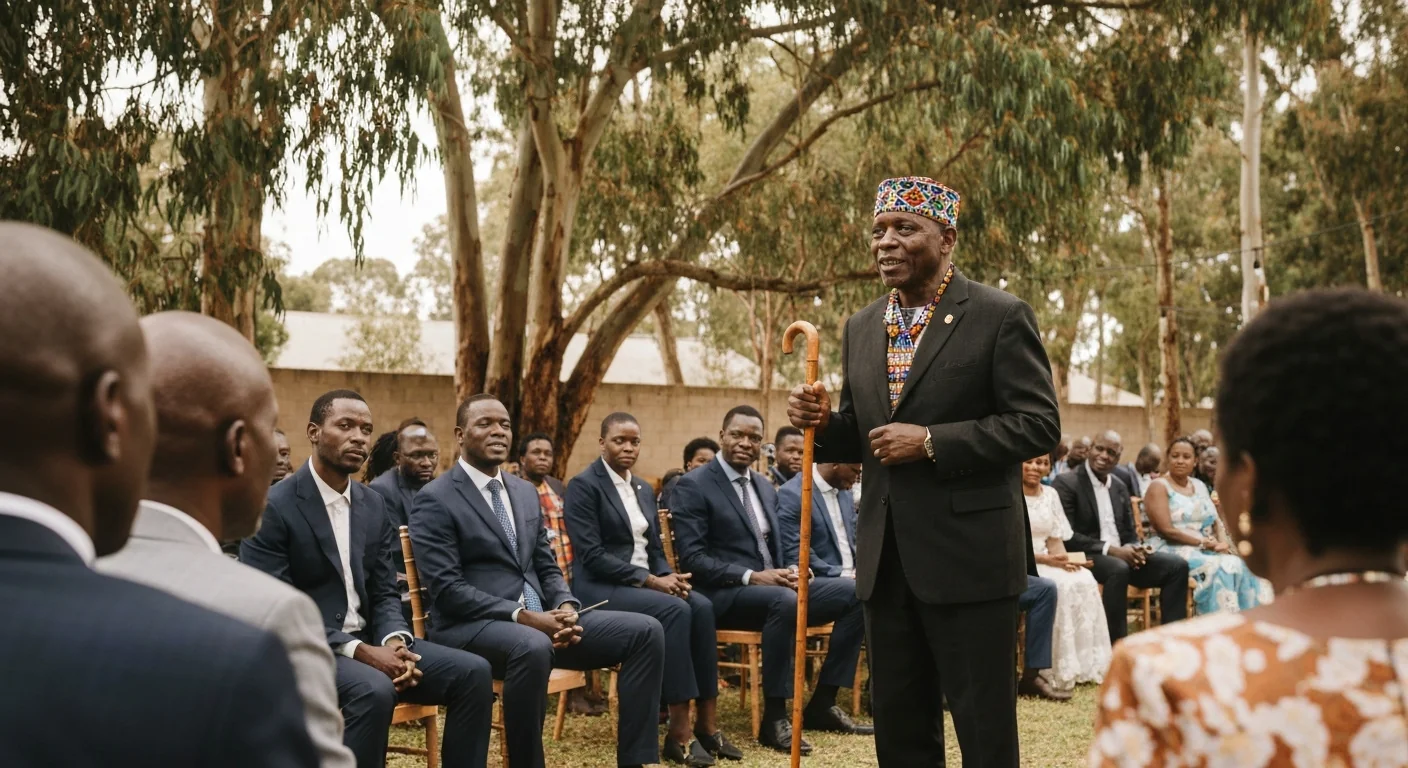
Kuhanda Ithigi is a family affair, not a public spectacle. The attendance is more intimate than ruracio.
From the groom’s side:
- The groom himself (present and may speak at this stage)
- His parents — both mother and father ideally
- Key elders from the groom’s clan, including a chosen spokesman
- Close family members (siblings, aunties, uncles)
- Typically 10–30 people in total
From the bride’s side:
- Her parents
- Her grandparents if available
- Key aunties and female relatives who will advise and support her
- Clan elders to witness
The bride herself is present — this is not a meeting held without her knowledge. She is celebrated, not simply handed over.
What to Bring: The Kuhanda Ithigi List
The items brought to Kuhanda Ithigi serve two purposes: they are a deposit of intent (the Mwati and Harika) and they are gifts that show the groom’s family can provide. Both matter.
The Essential Animals
These two animals are the non-negotiable core of Kuhanda Ithigi:
- Mwati — a ewe (female sheep). She represents the bride — a female of value, being placed in the care of another household.
- Harika — a small he-goat. He represents the groom’s commitment and vitality.
These animals are a deposit, not the bride price. Do not mistake them for the beginning of the ruracio negotiation — they are their own category. They remain with the bride’s family.
Household Gifts
Beyond the animals, the groom’s delegation arrives with practical gifts for the household:
| Category | Typical Items |
|---|---|
| Staple foods | Sugar (at least 5 kg), tea leaves, maize flour (unga), cooking oil, rice |
| Drinks | Crates of soda, traditional brew, juice |
| Kitchen items | Sufuria (cooking pots), a jerrycan or water storage vessel |
| Clothing | A leso or kanga set for the bride’s mother |
| Cash | An amount for the bride’s mother and aunties (varies by family) |
How much to bring: The quantity depends on the size of the delegation and the family’s means. A good rule is to bring enough to feed everyone present at the ceremony. The groom’s side caters for all food and drinks consumed on the day.
The Symbolic Branch (Ithigi)
Bring a branch from one of the following trees if at all possible:
- Mugumo (Wild Fig / Ficus thonningii) — the most sacred tree in Kikuyu culture, associated with Ngai (God) and ancestral blessings
- Muthithia (African Olive) — symbolizes peace and permanence
- Mũtamaiyũ — another culturally significant tree
If you are in Nairobi or a city environment and cannot source the correct tree, consult with an elder about an acceptable substitute. The spirit of the act matters more than the species — but putting in the effort to find the right tree is noticed and appreciated.
What Happens on the Day
The flow of a Kuhanda Ithigi ceremony is less regimented than ruracio, but certain elements are expected.
Arrival and the Closed Gate
The groom’s delegation does not simply walk in. The gate or door is typically closed when they arrive, and the women of the bride’s household sing from inside. The groom’s delegation must also sing — they sing their way in. This exchange of songs is a moment of joy and sets a warm tone.
Once negotiations at the gate conclude (a small token payment may be required to open the gate), the delegation is welcomed inside.
Settling In and the Advice Session
Before any formal proceedings, the bride is often taken aside by her female relatives — aunties, older cousins, grandmothers. This is the first of several private counselling sessions she will receive throughout the marriage process. The advice covers what it means to be a woman entering a new family, how to conduct herself in the in-laws’ home, and the responsibilities that come with being spoken for.
Meanwhile, the men settle and begin the formal introductions.
Formal Introductions
The groom’s spokesman introduces the delegation. He states the name of the groom, his clan, and the purpose of the visit. He makes clear that this is not a casual call — they have come to formally express intent.
At this stage (unlike ruracio), the groom may speak briefly to confirm his intentions directly. He addresses the bride’s parents respectfully and acknowledges the honour of the occasion.
Planting the Branch
The central act of the ceremony. The ithigi (tree branch) is brought forward. The planting itself — whether in soil or a pot, or simply placed symbolically — is done with a short declaration by the groom’s spokesman:
“Tũkanda ĩthigi ĩno kũũria atĩ mwana wanyu nĩ mwake.” “We plant this branch to declare that your daughter is spoken for.”
Elders from both sides witness the act. Some families mark this moment with prayer, ululation (ngemi), or a brief blessing from both fathers.
The Exchange of Mwati and Harika
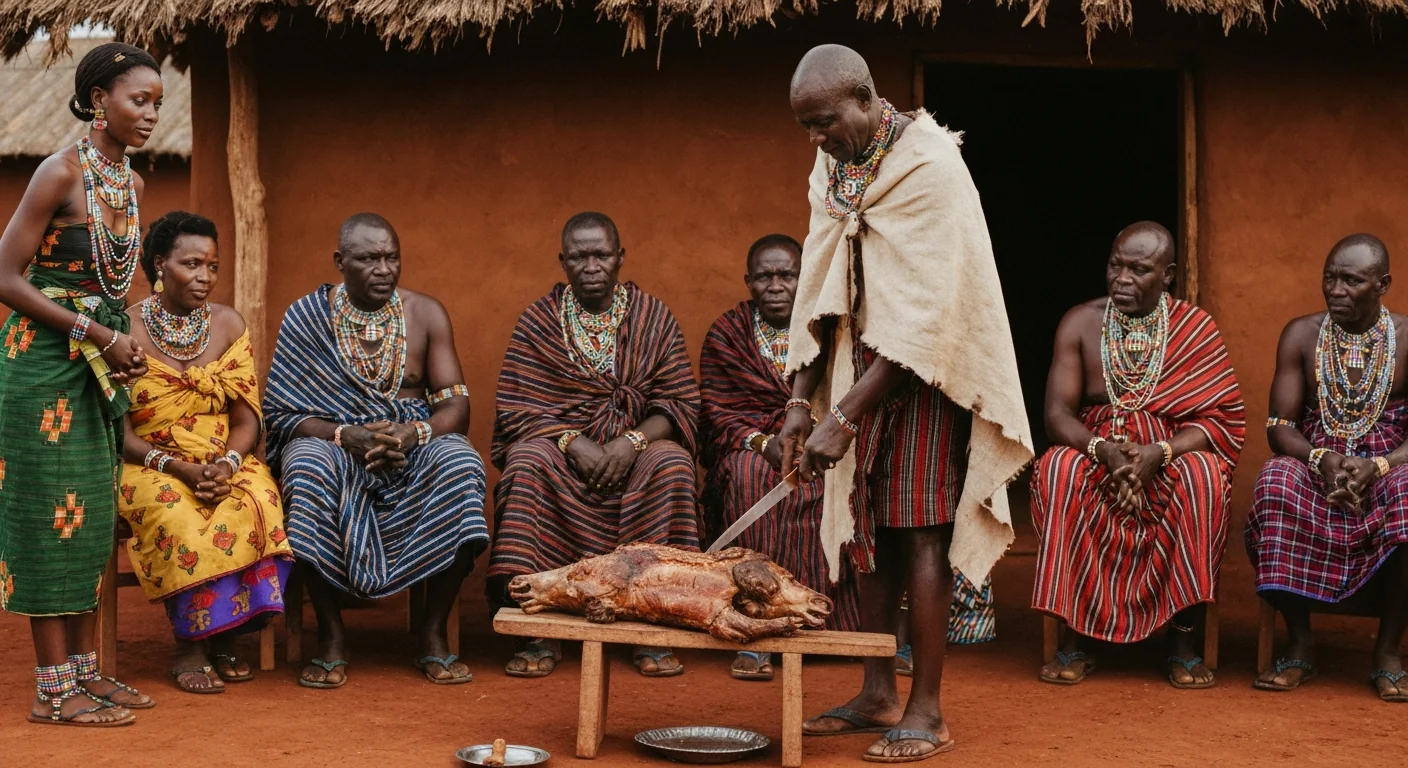
The ewe and he-goat are presented to the bride’s family formally. The spokesman presents them with a brief explanation of what they represent — not payment, but promise. The bride’s family accepts them, and by accepting, they formally acknowledge that the bride is now engaged to this family.
The Meal
After the formalities, everyone eats together. Traditional Kikuyu food is served — mukimo (mashed potatoes with maize, greens, and beans), nyama choma, githeri, and ucuru (fermented porridge). The groom’s delegation has brought the provisions; the bride’s family prepares and serves.
Shared meals in Kikuyu culture are not incidental — eating together signals agreement, goodwill, and the beginning of a lasting relationship. Refusing to eat is considered rude. Accept everything offered graciously.
Departure
The groom’s delegation departs the same day. Recall the proverb: “Uthoni nduraragwo” — you never spend the night at your in-laws’ home. This applies from Kuhanda Ithigi onwards. Arrive purposefully, accomplish your mission, and leave with dignity. If the venue is far, arrange accommodation at a nearby hotel.
What to Expect After Kuhanda Ithigi
Once the branch has been planted, the following happens:
-
The bride’s family prepares the shopping list — they will compile a list of requirements for ruracio. This list is typically communicated through a trusted intermediary (often an uncle or auntie who is friendly to both sides).
-
The groom’s family begins saving and planning for ruracio — the main dowry negotiation, which may happen weeks to months later.
-
The couple are considered formally engaged — in social settings, both families acknowledge the engagement, and the bride is treated accordingly.
-
No further suitors may approach — the planted branch is the community’s public signal.
Read our Ruracio Shopping List for 2026 and Ruracio Cost Breakdown to start budgeting for what comes next.
Modern Adaptations
Kuhanda Ithigi has adapted gracefully to contemporary life.
Urban ceremonies: Many modern families hold Kuhanda Ithigi at a rented venue or the bride’s family home in Nairobi rather than a rural homestead. The ceremony retains its meaning regardless of location.
Combined with Kumenya Mucii: When both families already know each other (mutual acquaintances, work colleagues, family friends), the first investigative visit and Kuhanda Ithigi are often merged into one day. This requires careful planning — all the rituals of both stages must still be observed.
No actual animal: Some urban families accept a cash equivalent for the Mwati and Harika rather than live animals, particularly if the bride’s family lives in a city flat with no space for livestock. Confirm this with the bride’s family in advance.
Intercultural engagements: When the groom is not Kikuyu, a cultural adviser or trusted Kikuyu elder from the groom’s network can serve as spokesperson. The bride’s family will usually make some allowance for unfamiliarity with the specific customs while expecting genuine effort and respect.
For more on how modern Kenyan couples are navigating traditional ceremonies, see our article on modern couples adapting Kikuyu and Kenyan traditions. You can also find broader context in our Complete Guide to Kenyan Wedding Traditions.
Coordinating Both Ceremonies on Harusi Hub
If you are planning both Kuhanda Ithigi and ruracio (and eventually an Ngurario and a white wedding), you are managing multiple events, guest lists, and logistics at the same time. Harusi Hub lets you add each ceremony as a separate event within your wedding, so nothing falls through the cracks.
Use the Manage Wedding Events guide to set up your traditional and white wedding events, and the Create Your Wedding Website guide to get your central planning page live in minutes.
You can also manage your budget across all ceremonies using the budget tracker at Harusi Hub — tracking ruracio shopping list items, transport costs, and food separately from your white wedding expenses.
Managing Kuhanda Ithigi, ruracio, and your white wedding?
Harusi Hub lets you coordinate every ceremony in one place — guest lists, budgets, RSVPs, and timelines for your entire traditional wedding journey.
Start Planning Free