Ruracio Planning Guide: How to Organize a Kikuyu Dowry Ceremony
How to plan a Kikuyu ruracio ceremony — timelines, budgets, logistics, shopping lists, and step-by-step coordination for the groom's and bride's families.
Ruracio Planning Guide: How to Organize a Kikuyu Dowry Ceremony
You are in love, both families have been informed, and everyone is excited. Now comes the part nobody tells you about — the months of coordination, logistics, negotiation, and preparation that go into organizing a ruracio. The ceremony itself lasts one day. The planning behind it can take a year.
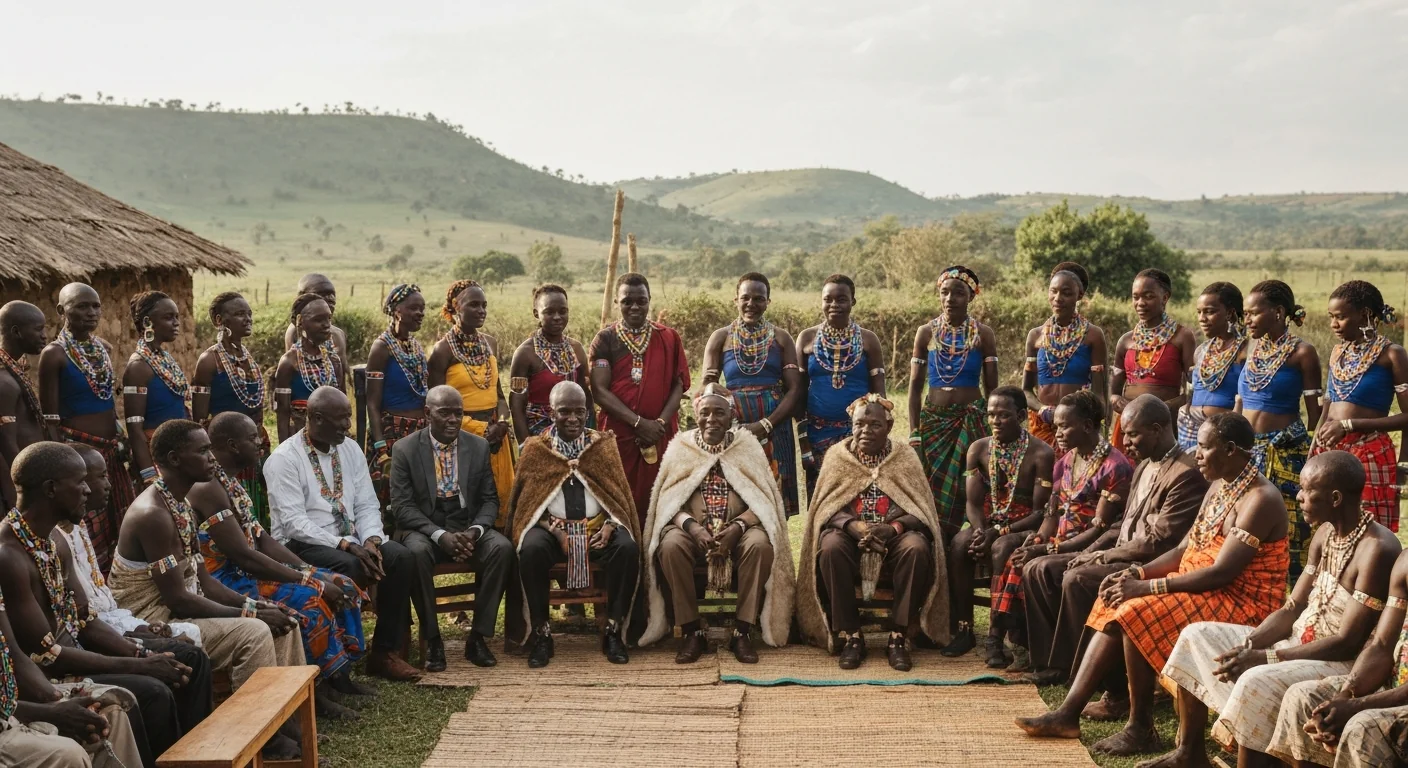
Ruracio is the centrepiece of Kikuyu marriage — a formal dowry negotiation ceremony that binds two families together and gives the marriage its cultural legitimacy. It is a serious occasion, but it is also a joyful one. Done well, it is a day both families talk about for decades.
This guide is for both sides: the groom’s family organizing the delegation and gifts, and the bride’s family hosting the event. It covers the full planning process — from the first family conversations to the day-of logistics — so nothing gets left to chance.
For detailed cultural context and the meaning behind each stage, read our Complete Guide to Kikuyu Ruracio Wedding Traditions.
What Does Planning a Ruracio Actually Involve?
Before you make a single phone call, understand the scope of what a ruracio involves:
- Multiple pre-ceremony visits before the main event (Kumenya Mucii and Kuhanda Ithigi)
- Two families coordinating independently then coming together
- Dozens of guests on both sides — often 80 to 300+ people
- Livestock, food, drinks, gifts, and cash that must all be sourced, transported, and organized
- Cultural protocols that must be followed in the correct order
- A key spokesman (muthamaki/muthuuri wa kiama) who leads the negotiations
Think of ruracio planning as planning two events simultaneously — one for the groom’s side (logistics of the delegation and gifts) and one for the bride’s side (hosting the ceremony). Both require dedicated planning.
Use the Harusi Hub Events manager to set up your ruracio as a separate event alongside your white wedding, so guest lists, RSVPs, and timelines stay organized per occasion.
The Full Ruracio Planning Timeline
| Timeframe | Milestone |
|---|---|
| 9-12 months before | Begin family conversations; groom’s parents investigate bride’s lineage (Kumenya Mucii preparation) |
| 6-9 months before | Kumenya Mucii visit — formal first introduction, no negotiation |
| 4-6 months before | Kuhanda Ithigi — deliver Mwati and Harika; bride is officially booked; receive the shopping list |
| 3-4 months before | Form the planning committees on both sides; begin sourcing livestock and gifts |
| 2-3 months before | Confirm guest count; book venue if not at home; source livestock (buy off-peak for better prices) |
| 1-2 months before | Finalize shopping list; confirm transport logistics; brief the delegation |
| 2-3 weeks before | Final headcount; confirm catering quantities; final briefing with spokesman |
| 1 week before | Confirm all deliveries; pack gifts; confirm transport arrangements |
| Ruracio day | Main ceremony — arrive on time, depart before nightfall |
| 1-3 months after | Itara — bride’s family visits groom’s home; formal handover |
| 3-12 months after | Ngurario — sacred final rite when both families are ready |
Step 1: The Groom’s Family — Getting Organized
Form Your Planning Committee
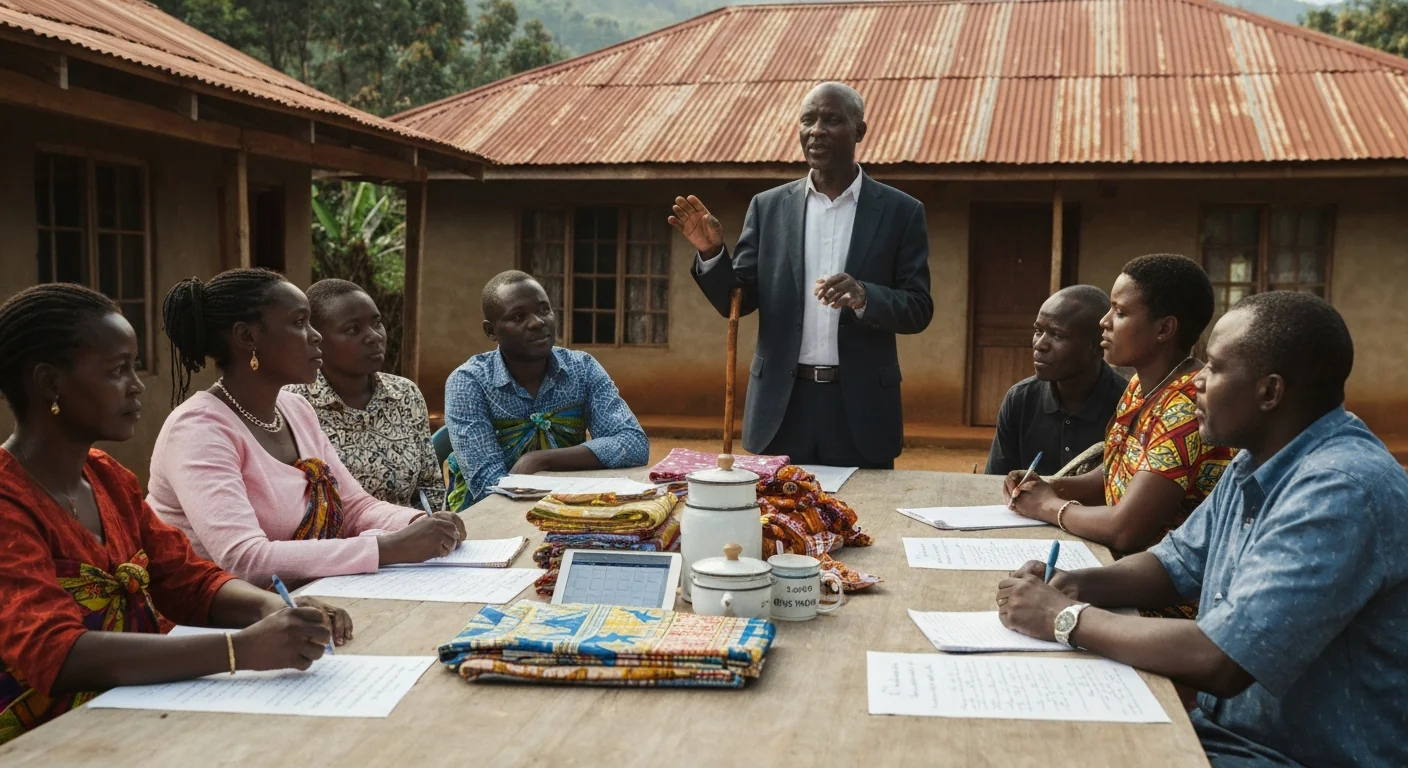
The groom cannot and should not plan this alone. A ruracio is a family affair. Form a committee of respected elders and family members from the groom’s side that includes:
- The spokesman (muthamaki) — the single most important appointment; choose someone who is eloquent in Kikuyu, knowledgeable in tradition, respected by both sides, and a skilled negotiator
- The logistics coordinator — typically a younger uncle or cousin who handles transport, sourcing, and day-of coordination
- The finance committee — a small group (groom + parents + perhaps one trusted uncle) who manages the budget privately
- Family representatives — elders whose presence is required for the ceremony’s cultural validity
Choosing the spokesman: Do not underestimate this decision. A weak spokesman can lead to an embarrassing negotiation. A greedy spokesman on the bride’s side can make an already expensive process punishing. Choose someone who has been through ruracio negotiations before — either as a spokesman or as a senior elder.
Conduct the Kumenya Mucii Visit
Before any gifts, any shopping list, any formal planning — the groom’s side must first make the Kumenya Mucii visit. This is the investigative and introductory stage:
- The groom’s family confirms the bride’s lineage (her clan/muhiriga must be different from the groom’s)
- The spokesman is selected
- A delegation of 5-10 people visits the bride’s family home with Njohi ya Njurio (beer for asking)
- The visit is purely introductory — no prices, no negotiation on this day
- The family expresses intent and both sides agree to proceed
Execute Kuhanda Ithigi
Once the families agree to proceed, Kuhanda Ithigi formally books the bride. The groom’s side brings:
- Mwati — a ewe (female sheep)
- Harika — a small he-goat
After this stage, the bride’s family will provide the shopping list — the itemized list of gifts and requirements for the main ruracio day. Receive this list with grace. Do not react to it publicly. Discuss it privately with your spokesman.
For a detailed breakdown of what the shopping list typically contains, see our Ruracio Shopping List 2026.
Step 2: The Bride’s Family — Hosting the Ceremony
Form Your Hosting Committee
The bride’s family has a different but equally demanding planning role. Their committee should include:
- The bride’s father — leads the family’s negotiations and gives the final word
- A spokesman/negotiator on the bride’s side — who will counter-negotiate with the groom’s spokesman
- The hosting coordinator — manages food, seating, tent hire, and day-of logistics
- The aunties’ team — the female relatives who manage the gate-locking and bride identification ceremonies (this group tends to self-organize naturally, but someone should be in the loop)
- The catering team — whether family-run or hired, someone owns the food
Prepare the Shopping List
The bride’s family is responsible for compiling and delivering the shopping list to the groom’s side after Kuhanda Ithigi. The list should be realistic — inflated demands create resentment, not pride. Common items include:
For the men (groom’s direct obligations):
- Fattened rams (ngoima) x2 — these are central to the ceremony
- A heifer (young cow) — high-value gift for the bride’s family
- Personal items for the bride’s father (suit, shoes, hat, walking stick)
- Blankets and coats for grandfathers
For the women:
- Dresses, kangas, and leso sets for the bride’s mother and aunties
- Cooking pots (nyungu) and calabashes
- Household items (water tank, bedsheets, sufuria)
- Sodas and fermented porridge (ucuru wa mukio) for the women’s gathering
Cash/bride price component:
- The standard Kikuyu dowry is quoted at 99 goats — converted to a cash equivalent
- Only about 15 goats’ worth is paid on the day; the remainder is a lifetime obligation
- Current goat prices: KSh 5,000 – 8,000 (small), KSh 8,000 – 12,000 (medium), KSh 15,000 – 18,000+ (large ram)
See our full Ruracio Cost Guide 2026 for detailed budgeting.
Set the Date and Venue
Date selection: Involve both families. Avoid dates that conflict with other family events, harvest seasons, or peak school term periods that reduce availability. December and August are peak wedding season in Kenya — ruracio hosted during these months will compete for transport, catering, and hired help.
Venue:
- Family homestead (most common): The traditional setting. Requires tent hire, seating, power arrangements (generator if rural), and sanitation planning for large numbers.
- Rented rural home/compound: For urban families who want the homestead feel but live in the city. Rent from relatives upcountry.
- Nairobi event venue: An increasingly common choice for families based entirely in Nairobi. Look for garden venues or open spaces that allow for the traditional elements while accommodating city-based guests. See our guide to best wedding venues in Nairobi for options that work for traditional events.
Step 3: Budgeting for Ruracio
Ruracio is a significant financial undertaking for the groom’s side. Here is a realistic breakdown:
Groom’s Side Costs
| Item | Estimated Cost (KES) |
|---|---|
| 2 fattened ngoima (rams) | 30,000 – 40,000 |
| Bride price installment (approx. 15 goats’ worth) | 75,000 – 270,000 |
| Heifer | 30,000 – 60,000 |
| Father’s outfit and personal items | 15,000 – 40,000 |
| Grandfather gifts (blankets, coats, walking sticks) | 10,000 – 30,000 |
| Women’s shopping list items | 30,000 – 80,000 |
| Household items (water tank, sufuria, bedding) | 20,000 – 50,000 |
| Drinks for the delegation (sodas, water, beer) | 15,000 – 30,000 |
| Gate-locking fees (budget for negotiation) | 5,000 – 30,000 |
| Transport for delegation and livestock | 20,000 – 50,000 |
| Spokesman’s facilitation fee | 10,000 – 30,000 |
| Contingency (penalties, extras, tips) | 10,000 – 20,000 |
| Realistic total (day of) | KES 270,000 – 730,000+ |
Bride’s family hosting costs (tent, seating, catering, generator, sound, MC, photographer) typically range from KES 120,000 – 435,000+ depending on guest count and location.
For guidance on tracking every line item, use the Harusi Hub Budget Tracker and read the Set Up Your Budget guide. For broader wedding financial planning, see our Wedding Budget Guide Kenya.
Step 4: Day-of Logistics
For the Groom’s Delegation
Departure time: The delegation should leave early. Rural venues often have long travel times, and arriving late is considered disrespectful. Aim to arrive between 9 AM and 10 AM.
Livestock transport: Arrange a pickup truck or lorry specifically for the rams, heifer, and any live animals. Do not mix livestock with the passenger delegation.
Gift packing: All shopping list items should be neatly packed, wrapped where appropriate, and organized by category. The logistics coordinator should have a master checklist.
The delegation dress code: Smart traditional attire or suits. The groom should look his absolute best. The entire delegation reflects on the groom’s family — dress the part.
Cash: Carry sufficient cash in small denominations. The gate-locking fees are not negotiable in advance — you will be haggling at the gate with the aunties, and they will not accept M-Pesa if they are feeling theatrical.
Brief the delegation in advance: Every member of the delegation should know:
- They are there to support, not to speak (unless asked)
- The groom must remain silent during negotiations
- Phones should be used discreetly during the ceremony
- Alcohol consumption during the negotiation should be minimal
For the Bride’s Family
Guest management: Have a clear plan for where different groups sit. Elders get the prime spots. Women typically gather in a separate area. The delegation from the groom’s side has a designated seating area.
The aunties’ gate ceremony: Coordinate with the aunties in advance about the gate-locking. They do not need a script — this they know — but agree on a general approach so the ceremony is entertaining without becoming antagonistic or causing unreasonable delays.
The bride identification (Gucagura Muka Wake): Prepare at least 5-8 young women of similar build to the bride, dressed identically in lessos. The bride’s face and most distinguishing features should be covered. Practice the staging in advance.
The father’s consent question: This moment — “Shall I drink this beer?” — is deeply important. The bride’s father should prepare to ask this question with gravity. The bride should know it is coming, understand its significance, and answer freely.
Food timing: Coordinate the catering team so food is ready after the negotiation concludes — typically by 2 PM to 4 PM depending on how negotiations go. A skilled caterer who has done ruracio events before will know to hold food until the negotiation is complete.
Programme order:
- Delegation arrives — gate-locking ceremony
- Delegation enters — formal greeting and seating
- Opening speeches by elders from both sides
- Bride identification ceremony (Gucagura Muka Wake)
- Father’s consent question and ululation
- Dowry negotiation (elders only speak)
- Agreement reached — bride price installment paid
- Shopping list items presented and received
- Celebration: food, drinks, songs, and speeches
- Delegation departs before nightfall
Step 5: Managing Both Families Through the Process
The biggest source of stress in ruracio planning is communication between two families who may have different expectations, communication styles, and cultural norms. Here is how to manage it:
Designate a single point of contact on each side. The groom’s logistics coordinator and the bride’s hosting coordinator should be in regular communication from the Kuhanda Ithigi stage onward.
Communicate the shopping list early. The bride’s family should send the list at least 3 months before the ruracio. Last-minute additions cause panic and overspending.
Negotiate privately, not publicly. If any item on the shopping list is unreasonable, the groom’s spokesman should communicate this through the bride’s trusted uncle — not at the ceremony itself. Public disagreements at ruracio are a serious breach of etiquette.
Use a trusted uncle as a bridge. The groom should identify a trusted male relative on the bride’s side — typically an uncle — who can advocate privately for reasonable expectations and serve as an informal translator between the two families’ positions.
Manage expectations about the bride price. Both families should understand from the outset that only a portion will be paid on the day. The full 99-goat figure is a lifetime obligation. Setting expectations clearly in advance prevents the groom’s side feeling ambushed and the bride’s side feeling disrespected.
Step 6: Using Harusi Hub to Stay Organized
Planning a ruracio involves dozens of moving parts across two families. Here is how Harusi Hub helps:
Events: Set up your ruracio as a separate event in Dashboard > Events so you can manage guests, RSVPs, and the day’s details independently from your white wedding.
Checklist: Use the Harusi Hub Checklist — it includes tasks for Traditional Ceremonies as a category, helping you track everything from appointing a spokesman to sourcing livestock to confirming transport. Add custom tasks for ruracio-specific items your checklist may not auto-generate.
Guest list: Track attendees for the ruracio separately from the white wedding using Dashboard > Guests. Not all guests will attend both events — the ruracio is often a family-only affair, while the white wedding reception is broader.
Budget: Track every expense in Dashboard > Budget. Create separate line items for livestock, shopping list gifts, transport, and catering so you can see exactly where the money is going.
What Are the Most Common Ruracio Planning Mistakes?
Rushing the process. Kumenya Mucii, Kuhanda Ithigi, and the main ruracio should happen in sequence over several months, not compressed into a few weeks. Rushing signals disrespect.
Ignoring the shopping list timeline. Receiving the list late leaves insufficient time to source items — especially livestock. Buy goats and rams off-peak (prices rise sharply in November-December).
Under-briefing the delegation. A delegation where people do not know the protocol creates chaos and embarrassment. Run a briefing session a week before.
Skimping on the ngoima. The fattened rams (ngoima) are a centrepiece of the ceremony. They must be visibly well-fed and impressive. Bringing thin or undersized rams is noticed and commented on publicly.
Forgetting contingency cash. Gate-locking fees, wrong-bride penalties, and unexpected requests will happen. Budget KSh 10,000 – 20,000 for surprises and carry it in cash.
Overspending and going into debt. A ruracio is important, but it should not cripple the couple financially before the marriage even begins. Read our guide on funding a Kenyan wedding for practical strategies.
After Ruracio: What Comes Next
Ruracio is not the final step. After the main ceremony:
Itara (1-3 months after): The bride’s family makes a return visit to the groom’s home. The bride’s mother formally hands her daughter to the groom’s mother. The bride is welcomed as family and given access to the home.
Ngurario / Gutinia Kiande (3-12 months after): The sacred final rite — the most permanent stage of Kikuyu marriage. After Ngurario, the marriage is considered complete and irrevocable under Kikuyu customary law.
White wedding: Many couples hold their church or civil wedding between ruracio and Ngurario. The ruracio establishes the customary union; the church or civil ceremony adds legal recognition. Read our Marriage Registration Kenya guide for the legal steps.
Ongoing bride price payments: The remaining goats’ equivalent continues to be paid gradually. Coordinate this through the spokesman and maintain a cordial relationship with your in-laws — the ongoing payments are what keep the families connected.
Speech Guidance for Ruracio
If you are contributing speeches or looking for templates for the day, read our Ruracio Speech Templates article for guidance on the right tone, structure, and language for both sides.
For broader cultural context on Kikuyu engagement ceremonies, including Kuhanda Ithigi, see our Kuhanda Ithigi: Kikuyu Engagement Ceremony Guide.
Plan your ruracio alongside your white wedding — all in one place
Manage separate events, guest lists, budgets, and checklists for every ceremony — completely free on Harusi Hub.
Start Planning for Free